Tag: Technology Trends

  • Crm For Manufacturing Companies Optimizing Operations

    In the realm of modern manufacturing, the integration of a robust CRM system can be a game changer. Manufacturing companies face distinct challenges, from complex supply chains to the need for efficient customer relationship management. By leveraging CRM solutions, businesses can streamline operations, enhance client interactions, and boost overall productivity. This article delves into how CRM for manufacturing companies not only addresses these hurdles but also paves the way for future growth and innovation.

    As we explore the essential features tailored specifically for the manufacturing sector, we will uncover functionalities that differentiate these systems from generic CRMs. We’ll discuss how inventory management integration and production tracking capabilities can transform the way manufacturers operate. Furthermore, the role of CRM in strengthening customer relationships will be examined, highlighting how effective communication and personalized experiences can significantly enhance customer retention.

    With real-world examples and insights into popular CRM platforms, we’ll provide a comprehensive overview of how these tools can make a meaningful impact on manufacturing companies.

    The unique challenges manufacturing companies face that can be alleviated by CRM solutions
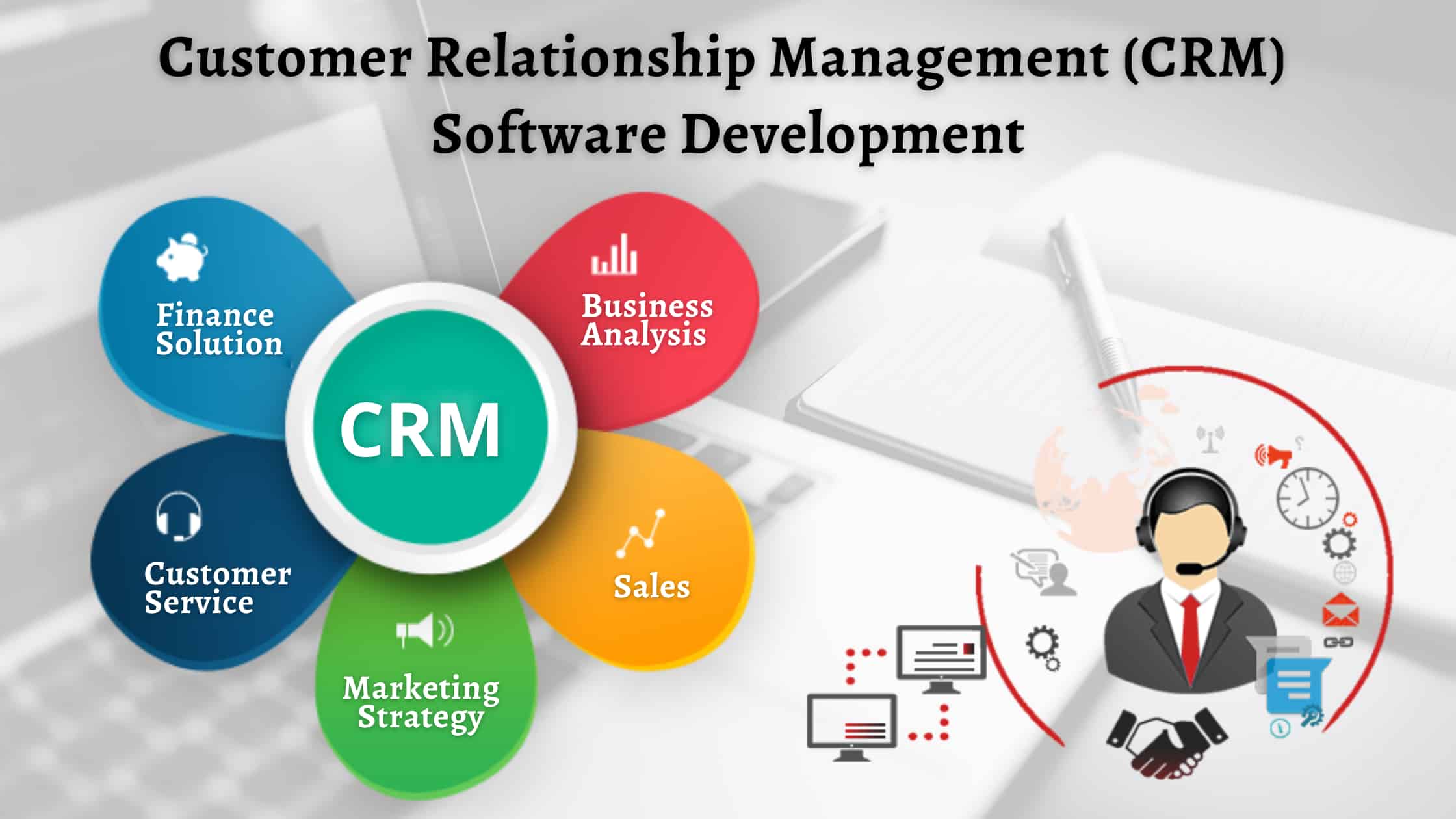
    Crm Customer Relationship Management Adalah – DWWITP

    Manufacturing companies are often engulfed by a myriad of challenges that can strain operations and impact customer satisfaction. From managing intricate supply chains to maintaining consistent communication with clients and stakeholders, these hurdles can hinder growth and efficiency. A Customer Relationship Management (CRM) solution tailored for the manufacturing sector can significantly alleviate these issues, providing the necessary tools to streamline processes and enhance customer interactions.One of the foremost operational hurdles faced by manufacturing businesses is the complexity of the supply chain.

    Manufacturers must coordinate with suppliers, distributors, and logistics providers, often across global networks. This complexity can lead to delays, inconsistent product availability, and ultimately, customer dissatisfaction. A CRM system centralizes vital information and facilitates better communication, enabling manufacturers to track orders in real-time, manage inventories effectively, and forecast demand with enhanced accuracy. By doing so, CRM systems improve responsiveness and ensure that customer expectations are met, leading to stronger relationships.

    Supply chain complexities and customer relationship management

    Supply chain disruptions can have a devastating impact on customer relationships. When production delays occur, or when inventory levels are inaccurate, customers may experience frustration and dissatisfaction. CRM solutions can mitigate these effects through improved visibility and communication. Here’s how:

    • Real-time data access: CRM systems provide instant insights into supply chain operations, allowing manufacturers to identify bottlenecks and inform customers proactively about delays or changes in order status.
    • Automated notifications: By automating communication, manufacturers can keep customers updated about their orders without manual intervention, reducing the risk of miscommunication and building trust.
    • Enhanced forecasting: CRM tools analyze historical data and market trends, enabling manufacturers to predict demand more accurately and adjust production schedules accordingly, thus minimizing stockouts and overproduction.
    • Customer feedback integration: Gathering feedback through CRM helps manufacturers understand customer needs and preferences, allowing for adjustments in the supply chain that better align with customer expectations.

    By addressing these supply chain complexities through CRM, manufacturers not only enhance their operational efficiency but also foster stronger, more reliable relationships with their customers, paving the way for sustainable growth and profitability.

    The essential features of CRM systems tailored for the manufacturing sector

    In the rapidly evolving landscape of manufacturing, Customer Relationship Management (CRM) systems play a crucial role in optimizing operations and enhancing customer interactions. Manufacturing businesses face unique challenges that require specialized features in their CRM solutions. Unlike traditional CRM applications, those tailored for manufacturing integrate various components that ensure seamless coordination between production, sales, and customer service.One of the standout characteristics of CRM systems designed for manufacturers is their capability to integrate inventory management and production tracking functionalities.

    This integration is vital for ensuring that manufacturers can maintain optimal stock levels, meet customer demand promptly, and streamline their production processes. An effective CRM system allows manufacturers to monitor inventory in real-time, manage supplier relationships, and automate reordering processes, which reduces the risk of stockouts or excess inventory.

    Key functionalities of manufacturing-focused CRM systems

    The following functionalities are critical for CRM systems in the manufacturing sector, setting them apart from generic CRM solutions:

    • Inventory Management Integration: A robust CRM system incorporates tools for tracking inventory levels, turnover rates, and order statuses. This allows businesses to forecast demand accurately and manage stock efficiently, thus reducing waste and improving cash flow.
    • Production Tracking: Advanced CRM systems offer features to monitor the production process, allowing manufacturers to see where each product is in the production line. This feature supports timely responses to production delays, ensuring that customer delivery expectations are met.
    • Customer Order Management: The ability to manage customer orders directly from the CRM streamlines communication between the sales team and production. This results in fewer errors and enhanced customer satisfaction as orders can be tracked and updated in real-time.
    • Analytics and Reporting: CRM systems for manufacturers provide detailed analytics tools that help in assessing production efficiency, sales performance, and customer satisfaction trends. Insights gained from this data can guide strategic decisions and improve operational efficiencies.
    • Supplier and Vendor Management: Managing relationships with suppliers is critical in manufacturing. A specialized CRM can track supplier performance, ensuring timely deliveries and quality materials, which ultimately affect production schedules and customer satisfaction.

    Effective CRM solutions help manufacturers not only meet customer expectations but also drive operational excellence through integrated processes and real-time insights.

    The role of CRM in enhancing customer relationship management for manufacturers

    In the competitive landscape of manufacturing, effective customer relationship management (CRM) systems play a crucial role in optimizing interactions and fostering long-term partnerships. By centralizing customer data and streamlining communication, CRM systems empower manufacturers to engage meaningfully with clients, enhance their experiences, and ultimately drive loyalty. CRM systems facilitate improved communication by offering a unified platform for manufacturers and their clients.

    This framework allows manufacturers to track interactions, manage inquiries, and resolve issues in real-time. The integration of various communication tools—such as email, chat, and phone calls—into a single system ensures that no client query falls through the cracks. For instance, when a customer reaches out regarding a product shipment delay, the manufacturer can quickly access past communication history and provide timely updates, thus reinforcing trust.

    Personalized customer experiences and retention strategies

    Personalization is at the heart of effective customer retention strategies, and CRM systems excel in this area by leveraging data analytics to tailor experiences. By collecting and analyzing customer data, manufacturers can gain insights into buying patterns, preferences, and needs. This knowledge enables them to customize interactions and offerings, ensuring clients feel valued and understood. For example, if a manufacturer notices that a client frequently purchases a specific type of component, they can proactively suggest complementary products or services, thereby enhancing the customer’s experience.Additionally, CRM systems enable manufacturers to implement targeted marketing campaigns based on customer segments identified through data analysis.

    By sending personalized communications—such as discounts on frequently purchased items or notifications about new product releases—manufacturers can increase engagement and drive repeat business. The use of CRM also enhances follow-up strategies, which are vital for maintaining relationships. Automated reminders for follow-ups or renewals ensure that manufacturers stay connected with their clients without overwhelming them. This systematic approach to client interactions not only cultivates loyalty but also helps manufacturers to identify at-risk customers early, allowing for timely intervention strategies to retain their business.In summary, the role of CRM systems in manufacturing is transformative, enhancing communication, personalizing customer experiences, and fostering retention strategies that contribute to long-term success.

    How CRM implementation impacts productivity and efficiency in manufacturing
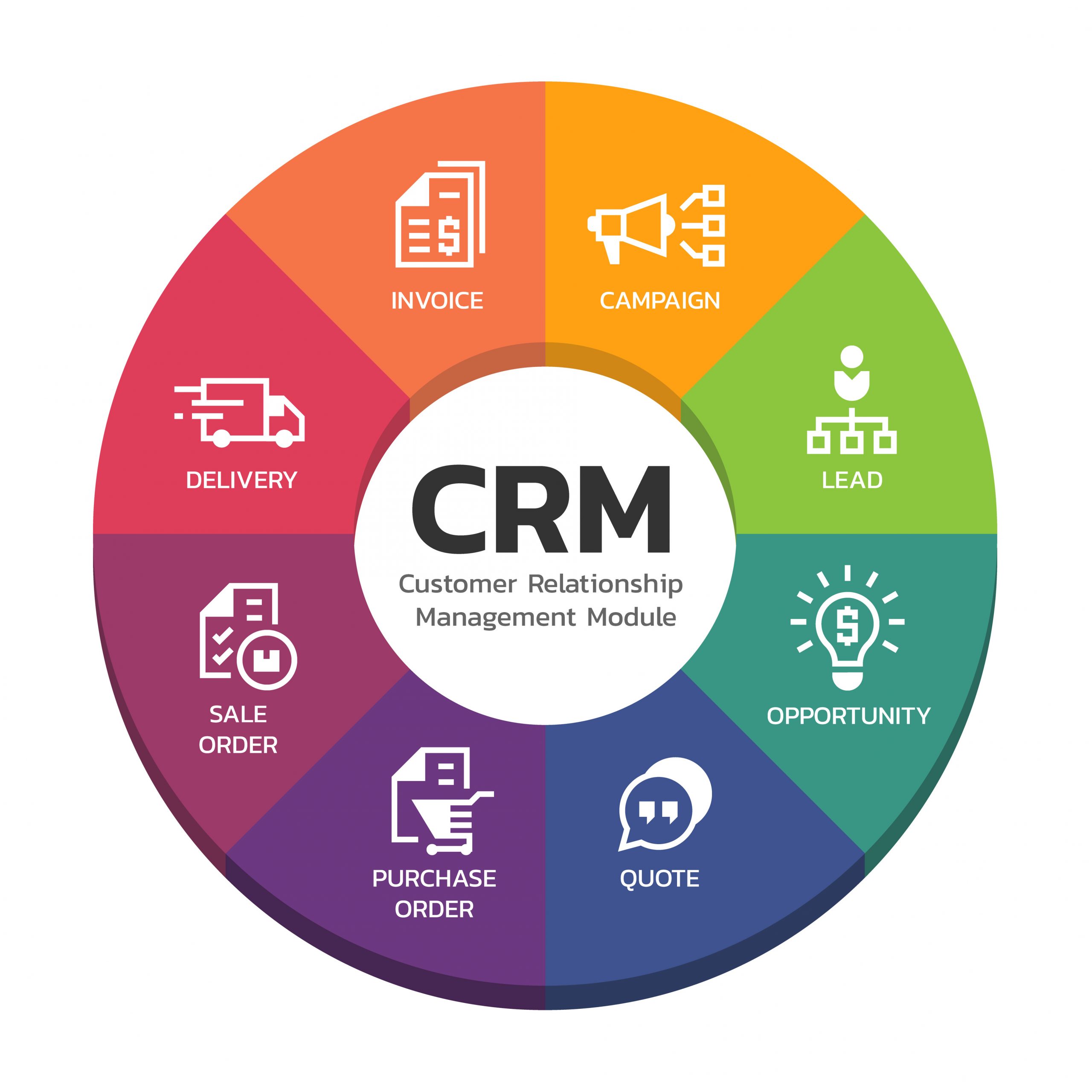
    crm management company - CRM Information

    The adoption of Customer Relationship Management (CRM) systems in manufacturing companies has led to significant transformations in workflow and productivity. By facilitating better communication, streamlining processes, and providing real-time data insights, CRM systems enable manufacturers to enhance their operational efficiency. This shift not only aligns production with customer demands but also fosters a culture of continuous improvement and adaptability within the organization.One notable change in workflow after implementing a CRM system is the integration of sales and production teams.

    Traditionally, these departments operated in silos, leading to miscommunications and delays. With a unified CRM platform, both teams can access shared customer data, forecasts, and order statuses, resulting in improved collaboration. For instance, when a sales team member updates a customer’s order, the production team is instantly notified, enabling them to adjust schedules accordingly and minimize downtime.

    Efficiency gains from CRM systems in manufacturing

    The efficiency gains seen by manufacturers after implementing CRM systems can be substantial. Here are some key impacts:

    • Improved Order Management: CRM systems allow for better tracking of orders from initiation to delivery, reducing errors and enhancing customer satisfaction. Manufacturers report up to a 25% decrease in order processing time after CRM implementation.
    • Enhanced Customer Insights: With detailed analytics and reporting capabilities, manufacturers can better understand customer needs and preferences. This knowledge helps tailor production schedules and marketing efforts, leading to a 20% increase in sales for some companies.
    • Streamlined Communication: By centralizing customer data, CRM fosters seamless communication across departments. This integration can lead to a 15% reduction in response times to customer inquiries, directly impacting customer retention and loyalty.
    • Data-Driven Decision Making: Manufacturing companies utilizing CRM can leverage real-time data analytics for strategic planning. For example, one manufacturer used CRM insights to optimize inventory management, resulting in a 30% reduction in excess stock and storage costs.

    “The implementation of a CRM system in manufacturing not only boosts productivity but also aligns production processes with customer expectations, which is critical in today’s competitive landscape.”

    In summary, the strategic use of CRM in manufacturing not only enhances productivity through improved workflows but also drives efficiency gains that are quantifiable and impactful. Companies that embrace these systems can expect not only operational improvements but also happier customers and, ultimately, a stronger bottom line.

    A comparison of popular CRM platforms for manufacturing companies and their functionalities

    In the evolving landscape of manufacturing, CRM platforms have emerged as essential tools for enhancing customer relationships, streamlining operations, and integrating processes. Several CRM solutions are tailored specifically to meet the unique needs of manufacturing companies. Below is an analysis of some of the most popular platforms, focusing on their functionalities, pricing structures, ease of use, and integration capabilities.

    Leading CRM Platforms and Their Features

    When it comes to CRM platforms that cater to manufacturers, a few stand out due to their specialized features and user-friendly design. Here are some noteworthy options:

    • Salesforce Manufacturing Cloud: Known for its robust automation and customizable dashboards, Salesforce Manufacturing Cloud allows companies to manage customer data and sales forecasting effectively. Its pricing starts at around $25 per user per month, making it an affordable option for many businesses. The platform’s integration capabilities with other Salesforce products and third-party applications are seamless, enhancing its usability.
    • Microsoft Dynamics 365: This platform offers comprehensive solutions for customer engagement, supply chain management, and project service automation. It is especially valued for its integration with Microsoft Office tools. Pricing starts at approximately $70 per user per month. While Dynamics 365 may have a steeper learning curve, its extensive functionalities make it worth the investment.
    • Zoho CRM: Zoho is recognized for its user-friendly interface and affordability, with plans starting as low as $12 per user per month. It offers features like inventory management and sales automation, which are crucial for manufacturers. Zoho also provides strong integration capabilities with various applications, making it a flexible choice for many organizations.
    • HubSpot CRM: Although not exclusively designed for manufacturing, HubSpot CRM offers great customization options and a free version that provides essential features. Paid plans start at around $50 per user per month. Its ease of use and extensive integrations with marketing tools make it a popular choice among smaller manufacturing firms.

    Each of these platforms has unique strengths and weaknesses, primarily reflecting their pricing strategies, user complexity, and integration capabilities. Manufacturers looking for a solution should consider their specific needs and how each platform aligns with their operational goals. A careful evaluation of these factors will be crucial in selecting a CRM that not only supports customer relationships but also enhances overall efficiency within the manufacturing process.

    The future of CRM technology in the manufacturing industry
    Why Use A Crm System – Qu Est Ce Un Crm – GARAKD

    As manufacturing companies strive to stay competitive and responsive to market dynamics, the evolution of Customer Relationship Management (CRM) technology plays a pivotal role. The future of CRM in this sector is not merely about managing relationships but is increasingly intertwined with advanced technologies that can significantly enhance operational efficiency and customer satisfaction.

    Emerging trends in CRM technology

    Several notable trends are shaping the future of CRM technology in manufacturing, leading to transformative changes in how companies engage with customers.

    Integration of IoT (Internet of Things)

    The rise of IoT devices is enabling real-time data collection from manufacturing processes. This provides companies with insights into customer preferences, usage patterns, and product performance. By leveraging this data, manufacturers can tailor their CRM strategies, fostering stronger customer connections.

    Cloud-based CRM solutions

    The adoption of cloud technology is making CRMs more accessible and scalable for manufacturing firms. These systems allow companies to manage customer data from anywhere, facilitating collaboration among teams and improving response times to customer inquiries.

    Mobile CRM applications

    With the increasing mobility of the workforce, mobile CRM applications are becoming essential. They empower sales and support teams to access critical customer information on-the-go, enabling timely interactions and decision-making.

    Personalization through data analytics

    Advanced data analytics tools allow manufacturers to segment their customer base and create personalized marketing campaigns. This shift towards customization helps enhance customer loyalty and engagement.

    Advancements in AI and machine learning

    The integration of artificial intelligence (AI) and machine learning into CRM systems is set to revolutionize the manufacturing industry.

    Predictive analytics

    Machine learning algorithms can analyze historical customer data to predict future buying behaviors. This allows manufacturers to anticipate customer needs, optimize inventory management, and enhance sales strategies. For instance, companies like Siemens have successfully applied predictive analytics to improve their customer service and operational efficiency.

    Chatbots and virtual assistants

    AI-powered chatbots are becoming commonplace in customer service. These tools offer 24/7 support, handling routine inquiries, and freeing up human agents to focus on complex issues. This not only improves customer satisfaction but also reduces operational costs.

    Enhanced customer insights

    AI can process vast amounts of data to uncover hidden insights about customer preferences and pain points. This information can inform better product development, marketing strategies, and customer service practices.

    Streamlined processes

    Machine learning can automate repetitive tasks, such as data entry and reporting, allowing teams to focus on strategic initiatives that drive growth. Companies adopting these technologies are likely to see significant gains in efficiency.In summary, the future of CRM technology in manufacturing is marked by a strong emphasis on data-driven insights, automation, and personalized customer interactions. As these technologies advance, manufacturers that embrace them will find themselves better equipped to meet the evolving needs of their customers.

    Strategies for successful CRM implementation in manufacturing firms
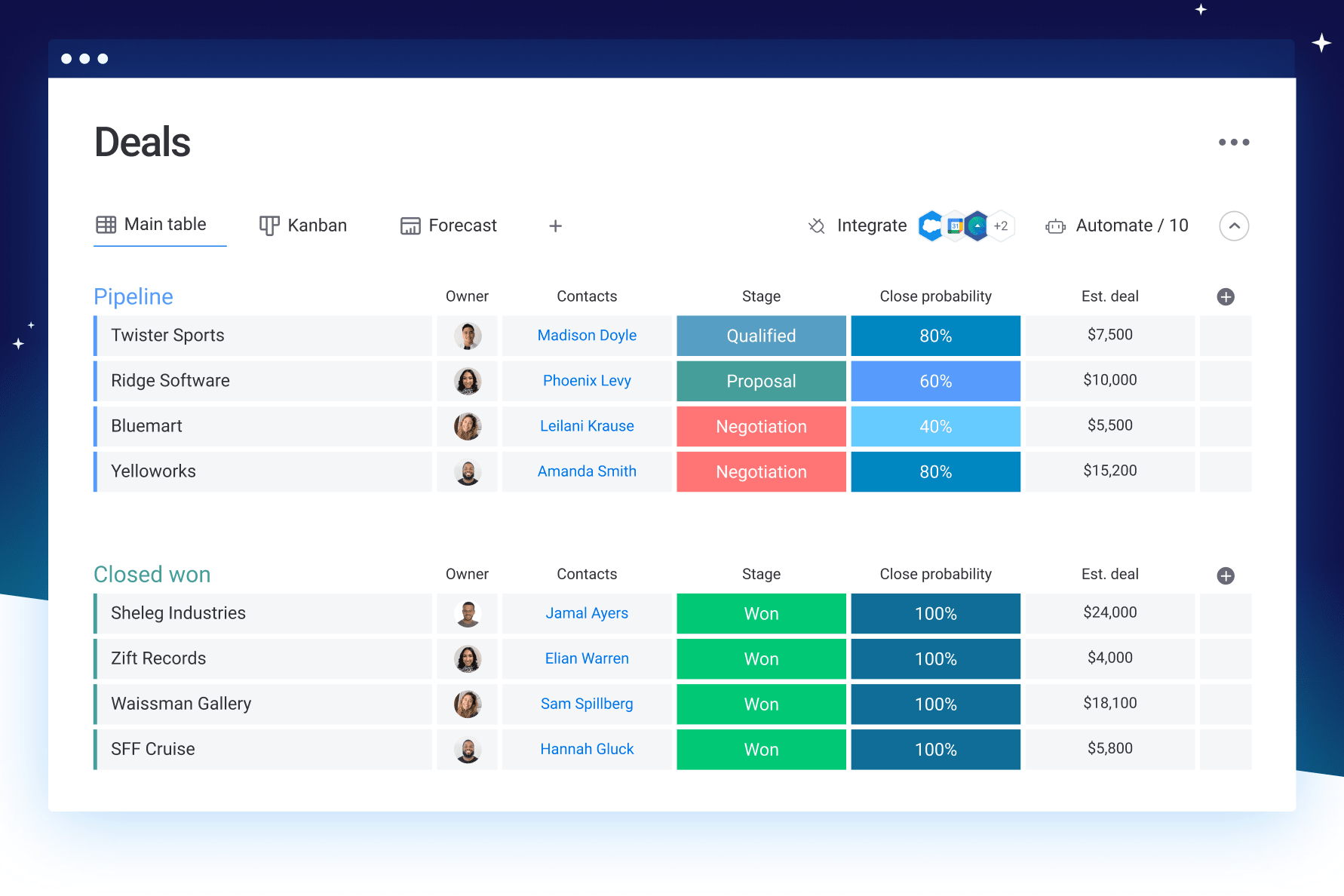
    What Is a CRM Strategy? Definition, Examples, and Strategy

    Implementing a CRM system in manufacturing firms can significantly enhance customer relationships, streamline operations, and provide valuable insights into market trends. However, the process requires careful planning and execution to ensure success. Here are essential steps and best practices for a smooth CRM implementation.

    Essential Steps for CRM Implementation

    To effectively implement a CRM system, manufacturers should follow a structured approach. This includes:

    • Needs Assessment: Evaluate the specific needs of the organization by engaging with different departments to understand their requirements and pain points.
    • Selecting the Right CRM: Choose a CRM solution that aligns with your manufacturing processes and integrates seamlessly with existing systems, such as ERP or supply chain management software.
    • Data Migration: Prepare for data migration by cleaning and organizing existing customer data to ensure accuracy and completeness in the new system.
    • System Customization: Customize the CRM to meet unique operational needs, such as managing inventory levels and tracking production schedules in relation to customer orders.
    • Testing: Conduct thorough testing of the system to identify and rectify any issues before going live, ensuring all functionalities perform as expected.

    Best Practices for Training and User Adoption

    Ensuring that staff are proficient and comfortable using the CRM system is crucial for its success. Effective training and user adoption strategies include:

    • Comprehensive Training Programs: Develop tailored training sessions that cater to the diverse skill levels within the organization, incorporating both theoretical and practical components.
    • Ongoing Support: Provide continuous support through dedicated help desks or internal mentors who can assist users as they navigate the new system.
    • User-Friendly Interface: Opt for a CRM with an intuitive interface that minimizes the learning curve, making it easier for users to adopt the system.
    • Incentives for Use: Encourage staff to engage with the system by offering incentives or recognition for consistent and effective usage, fostering a culture of CRM-centric operations.
    • Feedback Mechanism: Establish channels for users to provide feedback on the CRM experience, allowing for iterative improvements and increased satisfaction.

    Effective CRM implementation transforms customer relationships, leading to increased loyalty and revenue growth.

    Case studies of successful CRM adoption in manufacturing companies

    In the competitive landscape of manufacturing, adopting a robust Customer Relationship Management (CRM) system can be a game-changer. Several manufacturing firms have embraced CRM technology, leading not only to improved customer relationships but also to significant operational efficiencies. This segment highlights notable examples of CRM success stories in manufacturing and the key factors that contributed to their triumphs.

    Examples of Successful CRM Implementation

    Several manufacturing companies have successfully implemented CRM systems, yielding impressive results that can serve as valuable lessons for others in the industry. Below are some notable instances:

    • Siemens: Siemens, as a global electronic and electrical engineering company, adopted CRM to streamline its customer interactions and enhance its service offerings. By integrating Salesforce, Siemens improved its customer service response time by 30%, leading to increased customer satisfaction and retention.
    • Honeywell: Honeywell implemented a CRM system that provided a unified platform for managing customer engagement across multiple channels. As a result, they witnessed a 20% increase in sales productivity and a significant reduction in the sales cycle, thanks to better insights into customer preferences and behavior.
    • Rockwell Automation: Rockwell Automation utilized a CRM solution that allowed real-time data access across its sales and customer service teams. This integration led to a 15% increase in upselling opportunities and improved account management efficiency, reinforcing their customer relationships.

    The successes of these companies can be attributed to several key factors that others in the manufacturing sector can learn from.

    Factors Contributing to Successful CRM Adoption

    The successful implementation of CRM in manufacturing companies often hinges on a few critical elements. These include:

    • Leadership Buy-in: Strong leadership support is crucial. Companies that prioritize CRM initiatives at the executive level tend to allocate necessary resources and foster a culture that embraces change.
    • Comprehensive Training: Effective training programs ensure that employees understand the CRM system’s capabilities and how to leverage them. This leads to higher adoption rates and more effective use of the system.
    • Data Integrity: Maintaining accurate and up-to-date customer data is essential for CRM success. Organizations that invest in data management practices see better outcomes in customer insights and decision-making.
    • Customization and Scalability: Customizing the CRM to fit specific business needs allows manufacturers to optimize workflows and scale the system as the company grows.

    By examining the successful cases of Siemens, Honeywell, and Rockwell Automation, manufacturing companies can glean insights into effective CRM strategies and the importance of fostering a customer-centric approach in their operations. The integration of CRM systems has proven to be a pivotal step toward achieving operational excellence and sustained growth in the manufacturing sector.

  • ai powered crm software Revolutionizing Customer Management

    ai powered crm software sets the stage for this enthralling narrative, offering readers a glimpse into a story that is rich in detail and brimming with originality from the outset. As businesses evolve, so does the technology that drives them, and the integration of artificial intelligence into customer relationship management systems marks a pivotal moment in this journey. From historical developments to recent breakthroughs, the emergence of AI capabilities has redefined how organizations manage their customer interactions and data.

    In this discussion, we will delve into the key features that distinguish AI powered CRM software from traditional systems, explore the numerous benefits it offers, and examine the challenges businesses may face during implementation. By highlighting real-life applications across various industries, we’ll uncover the transformative impact of AI on customer relationship management and set the stage for what lies ahead in this dynamic field.

    The Evolution of CRM Software in the Age of AI Technology

    The journey of Customer Relationship Management (CRM) software has seen a remarkable transformation from its inception to the current era dominated by artificial intelligence (AI). Initially designed to streamline and manage customer interactions, CRM systems have evolved significantly over the years, integrating advanced technologies that enhance their capabilities. This evolution has not only changed how businesses approach customer management but has also significantly improved customer experiences.The historical development of CRM software can be traced back to the 1980s, when early systems focused primarily on sales force automation.

    These initial solutions were essentially digital rolodexes that helped companies keep track of customer contacts and sales activities. As the internet and digital technologies progressed in the 1990s and early 2000s, CRM systems began to incorporate more sophisticated data storage and retrieval capabilities. The advent of cloud computing marked a major turning point, allowing for greater accessibility and collaboration among team members, while also reducing the burden of on-premise infrastructure.

    Major Milestones in AI Integration within CRM Platforms

    The past decade has witnessed significant advancements in AI technologies, leading to transformative changes in CRM platforms. These milestones reflect the growing importance of AI in optimizing customer interactions and driving business efficiencies.

    • Predictive Analytics: AI-powered predictive analytics tools have revolutionized how businesses forecast customer behaviors and preferences. By analyzing historical data, these tools can identify trends and provide insights that help tailor marketing strategies to individual customers, enhancing engagement.
    • Chatbots and Virtual Assistants: The integration of AI-driven chatbots and virtual assistants has streamlined customer support functions. These tools can handle inquiries in real-time, providing instant responses and improving customer satisfaction while freeing up human agents for more complex issues.
    • Sentiment Analysis: AI algorithms now enable businesses to analyze customer feedback and sentiment across various platforms. This capability allows companies to gauge customer satisfaction and proactively address concerns, fostering stronger relationships.
    • Personalization: AI technologies facilitate hyper-personalization by using customer data to deliver tailored content and recommendations. This level of customization enhances the overall customer experience and drives loyalty.
    • Automation of Routine Tasks: AI has significantly improved the automation of repetitive tasks within CRM systems, such as data entry and lead scoring. This efficiency allows sales teams to focus on building relationships and closing deals.

    The transformation of traditional CRM systems to accommodate these modern demands underscores the vital role of AI in shaping the future of customer management. Businesses that leverage AI capabilities can expect enhanced operational efficiencies, improved customer satisfaction, and a competitive edge in their respective markets. As technology continues to advance, the integration of AI into CRM will only deepen, setting a new standard for customer relationship management practices.

    Key Features of AI Powered CRM Software

    AI powered CRM software represents a significant evolution in customer relationship management, leveraging advanced technologies to enhance functionality and improve user experiences. Unlike traditional CRM systems that primarily focus on data storage and basic tracking, AI powered CRMs integrate sophisticated algorithms and machine learning to deliver insightful analytics, streamline processes, and foster stronger customer relationships.One of the primary distinctions of AI powered CRM systems is their ability to analyze vast amounts of data in real-time, providing actionable insights that drive strategic decision-making.

    This capability is made possible through features such as predictive analytics, automated responses, and customer segmentation, which collectively enhance user experience and elevate sales performance.

    Predictive Analytics

    Predictive analytics employs statistical algorithms and machine learning techniques to identify the likelihood of future outcomes based on historical data. This feature allows businesses to forecast customer behavior, sales trends, and market dynamics. For instance, a retail company can analyze purchasing patterns to predict which products are likely to be in demand during specific seasons. Enhancements in predictive analytics can be illustrated with the following functionalities:

    • Lead Scoring: AI algorithms assess the potential of leads based on their interactions and behaviors, allowing sales teams to prioritize efforts on high-value prospects.
    • Sales Forecasting: By analyzing historical sales data and market trends, businesses can accurately forecast future sales, aiding in inventory management and resource allocation.
    • Churn Prediction: Algorithms identify at-risk customers by analyzing engagement levels and previous purchase behaviors, enabling proactive retention strategies.

    Automated Responses

    Automated response systems streamline communication with customers by providing timely interactions without human intervention. This feature ensures that inquiries are addressed quickly, enhancing customer satisfaction. Key aspects of automated responses include:

    • Chatbots: AI powered chatbots can handle common customer inquiries, freeing up human agents for more complex issues.
    • Email Automation: Automated emails can be triggered based on user actions, such as follow-ups after a purchase or reminders for abandoned shopping carts.
    • Personalized Messaging: AI can personalize communications based on customer data, improving engagement rates and fostering loyalty.

    Customer Segmentation

    Customer segmentation allows businesses to categorize their customer base into distinct groups based on specific criteria such as demographics, purchasing behavior, or engagement levels. This targeted approach enables tailored marketing strategies that resonate with different audience segments.The effectiveness of customer segmentation is enhanced through:

    • Dynamic Grouping: AI powered CRMs can automatically update customer segments in real-time as behaviors change, ensuring that marketing efforts are always relevant.
    • Targeted Campaigns: By understanding the preferences of each segment, businesses can create personalized marketing campaigns that yield higher conversion rates.
    • Behavioral Insights: Analyzing customer interactions provides deeper insights into preferences and pain points, guiding product development and customer service enhancements.

    AI powered CRM software transforms the way businesses interact with customers, shifting from generic interactions to personalized experiences that drive loyalty and sales.

    These key features not only set AI powered CRM software apart from traditional systems but also significantly enhance the overall user experience, paving the way for improved sales performance and customer satisfaction.

    Benefits of Implementing AI Powered CRM Software

    The adoption of AI-powered Customer Relationship Management (CRM) software brings a transformative edge to businesses by enhancing efficiency, customer satisfaction, and decision-making processes. Companies leveraging AI technologies in their CRM systems are observing profound changes in how they operate and serve their customers. AI capabilities streamline operations by automating routine tasks, enabling teams to focus on more strategic activities. For instance, research conducted by Salesforce reveals that 84% of sales teams using AI report improved productivity.

    Furthermore, businesses implementing AI in their CRM solutions can expect an increase in customer satisfaction; a study from McKinsey indicates that companies driven by data show a 20% increase in customer satisfaction scores.

    Increased Efficiency Through Automation

    AI-powered CRM systems automate repetitive tasks such as data entry, follow-up reminders, and email responses. This not only saves time but also reduces the chances of human error. The following points illustrate the efficiency gains achieved through automation:

    • Automation of routine inquiries allows customer service representatives to focus on higher value interactions, leading to more meaningful customer engagements.
    • Lead scoring algorithms prioritize potential customers based on their online behavior and engagement, allowing sales teams to concentrate on the most promising leads.
    • Seamless integration with other business tools enables real-time data sharing and process streamlining across departments, enhancing overall performance.

    Improved Customer Insights and Personalization

    AI’s analytical capabilities provide businesses with deep insights into customer behavior and preferences. These insights are crucial for tailoring services and products to meet customer demands effectively. The following factors demonstrate how AI enhances data insights:

    • Predictive analytics forecast future customer needs based on historical data, helping businesses to anticipate demands and adjust their strategies accordingly.
    • Sentiment analysis tools evaluate customer feedback from various sources to gauge satisfaction levels, allowing companies to address concerns proactively.
    • Segmentation algorithms categorize customers into distinct groups, enabling targeted marketing campaigns that resonate with specific demographics.

    “Businesses that fully harness the power of AI in their CRM can increase their sales by up to 30%.” – Gartner

    Case Studies Demonstrating Success

    Several organizations have successfully integrated AI-powered CRM solutions, leading to remarkable improvements in performance. For example, a global retail leader implemented an AI-driven CRM and reported a 25% increase in sales conversion rates within just six months. Another technology firm experienced a 40% boost in customer retention after utilizing AI for personalized marketing.These real-world applications showcase the tangible benefits that companies reap when they invest in AI-enabled CRM technology, making it a crucial consideration for businesses aiming to thrive in competitive markets.

    Challenges in Adopting AI Powered CRM Solutions

    Transitioning to AI powered CRM software presents a myriad of challenges that organizations must navigate to fully leverage the benefits of these advanced systems. Businesses often encounter obstacles that range from technical difficulties to cultural resistance, impacting the successful integration of AI technologies in their customer relationship management processes.One common hurdle is the initial resistance from employees who may feel threatened by the adoption of AI, viewing it as a potential replacement for their roles.

    Additionally, the complexity of AI systems can lead to integration issues with existing software and data infrastructure. Furthermore, organizations face the challenge of ensuring data quality and consistency, which are crucial for effective AI performance.

    Obstacles in Transitioning to AI CRM Software

    The transition to AI powered CRM systems can be complex, and understanding the potential obstacles is essential for a smooth implementation. Businesses often encounter the following challenges:

    • Resistance to Change: Employees may be hesitant to adopt new technology, fearing job loss or complications in their daily tasks.
    • Technical Integration: Integrating AI systems with existing CRM software can lead to compatibility issues, requiring significant IT resources and expertise.
    • Data Management: Ensuring high-quality, clean, and organized data is critical for AI effectiveness, yet many organizations struggle with data silos and inconsistencies.
    • Cost of Implementation: The investment required for AI technologies, including software, training, and support, can be a barrier for many businesses, particularly small to medium enterprises.

    Data Privacy and Security Risks

    The implementation of AI in customer relationship management raises significant concerns regarding data privacy and security. As AI systems process vast amounts of customer data, the risk of data breaches and misuse becomes a pressing issue.

    “Organizations must prioritize robust security measures to protect sensitive customer information.”

    The following points highlight the potential risks associated with AI in CRM:

    • Data Breaches: AI systems can be targeted by cybercriminals who aim to exploit vulnerabilities and gain unauthorized access to customer data.
    • Misuse of Data: There is a risk of mishandling customer information, which can lead to privacy violations and loss of customer trust.
    • Compliance Challenges: Organizations must ensure adherence to data protection regulations, such as GDPR, which can be challenging in an AI context.

    Strategies for Overcoming Challenges

    To successfully implement AI technologies in CRM, businesses can adopt several strategies to mitigate challenges and risks. These approaches can facilitate a smoother transition and enhance the efficacy of AI systems.

    • Change Management Initiatives: Implement training programs and communication strategies to help employees adapt to new technologies and understand their value.
    • Invest in IT Infrastructure: Ensure that the existing IT systems are compatible with the new AI solutions to avoid integration issues.
    • Data Governance Framework: Establish clear policies for data management, ensuring that data is accurate, secure, and compliant with regulations.
    • Robust Security Measures: Implement advanced security protocols, such as encryption and multi-factor authentication, to safeguard customer data from breaches.

    The Future of AI in CRM Software Development

    As we look ahead, the integration of artificial intelligence into customer relationship management (CRM) software is poised to revolutionize how businesses interact with their clients. The future promises a landscape where advanced AI technologies not only enhance existing functionalities but also introduce entirely new paradigms in customer engagement, data analysis, and operational efficiency. Emerging trends in AI technology are set to further shape CRM software development in the coming years.

    These innovations will redefine customer relationship management by introducing capabilities that leverage big data, improve personalization, and enhance predictive analytics. Companies will increasingly rely on AI to manage customer interactions, streamline processes, and gain insights that drive strategic decisions.

    Trends Influencing AI in CRM

    Several key trends are emerging that will significantly influence the future of AI in CRM software. Understanding these trends is essential for businesses looking to stay ahead of the curve.

    • Natural Language Processing (NLP): The ability of AI systems to understand and process human language is improving rapidly. This will allow CRM systems to analyze customer interactions more effectively, enabling businesses to respond to inquiries in real-time and engage customers in more meaningful conversations.
    • Predictive Analytics: As AI algorithms become more sophisticated, they will enable CRM systems to anticipate customer needs and behaviors based on historical data. This will help businesses create personalized marketing strategies and improve customer satisfaction by proactively addressing issues.
    • Automation of Customer Service: AI-driven chatbots and virtual assistants are becoming increasingly prevalent. These tools can handle routine customer inquiries, allowing human agents to focus on more complex issues, leading to improved service efficiency and customer experience.
    • Integration of Multiple Data Sources: Future CRM systems will be able to pull data from various platforms—social media, email, sales records—to provide a comprehensive view of the customer journey. This integration will facilitate more tailored marketing campaigns and enhance customer relationship strategies.
    • Sentiment Analysis: AI will enable CRM systems to gauge customer sentiment through analysis of social media and feedback. Understanding customer emotions will allow businesses to adjust their strategies and improve overall engagement.

    “The future of CRM is not just about managing relationships; it’s about predicting them.”

    Industry Expert

    As AI technology continues to evolve, businesses can expect to see scenarios where CRM systems are not just tools but intelligent partners in cultivating customer relationships. Imagine a CRM equipped with AI that not only tracks customer interactions but also suggests optimal times for outreach based on individual customer behavior patterns. Additionally, the integration of augmented reality (AR) and virtual reality (VR) into CRM could create immersive experiences for customers, allowing them to engage with products in virtual showrooms or receive personalized service through AR interfaces.

    Such innovations will inevitably redefine how businesses connect with their audiences, making the customer experience more intuitive and engaging.The future landscape of AI-powered CRM systems will empower organizations to be more agile, responsive, and customer-centric. By leveraging these advancements, businesses will be better positioned to forge lasting relationships with their customers, ultimately driving growth and success in an increasingly competitive market.

    Comparing Different AI Powered CRM Solutions

    AI-powered CRM solutions have revolutionized customer relationship management by leveraging advanced algorithms and data analytics. This comparative analysis focuses on several popular AI-powered CRM platforms currently available, assessing their unique features, pricing structures, and target audiences. The aim is to provide a clear understanding for businesses looking to choose the right solution that aligns with their needs.The following table summarizes key aspects of each CRM software, including user satisfaction ratings and expert opinions, to facilitate informed decision-making.

    CRM Solution Unique Features Pricing Structure Target Audience User Satisfaction Rating Expert Opinion
    Salesforce Einstein Predictive analytics, personalized recommendations Starting at $25/user/month All sizes, particularly large enterprises 4.5/5 Highly customizable; robust ecosystem
    HubSpot CRM Integrated marketing tools, user-friendly interface Free tier; Premium plans starting at $50/user/month Small to mid-sized businesses 4.7/5 Excellent for inbound marketing strategies
    Pipedrive Visual sales pipeline, AI-based sales assistant Starting at $15/user/month Small teams and startups 4.6/5 Great for sales-focused organizations
    Zoho CRM AI assistant Zia, advanced analytics capabilities Free tier; Paid plans starting at $12/user/month Small to large businesses 4.2/5 Cost-effective with diverse features
    Microsoft Dynamics 365 Seamless integration with Microsoft products, machine learning capabilities Starting at $65/user/month Medium to large enterprises 4.3/5 Powerful for data-driven decision-making

    Choosing the right AI-powered CRM solution is crucial for optimizing customer interactions and driving business growth.

    The comparative analysis provides essential insights into the capabilities and pricing of each AI-powered CRM solution. Businesses should consider their specific requirements, budget, and growth potential while selecting the most suitable option.

    Best Practices for Maximizing AI Powered CRM Software

    To fully harness the capabilities of AI powered CRM software, businesses must adopt a strategic approach that encompasses effective training, regular evaluations, and continuous optimization. Leveraging these systems can significantly enhance customer relationships, streamline processes, and ultimately drive sales growth.

    Actionable Tips for Leveraging AI Powered CRM Tools

    Implementing best practices can lead to improved user adoption and overall effectiveness of an AI powered CRM system. Here are some key strategies to consider:

    • Set clear objectives: Define specific goals for utilizing the CRM, such as improving customer retention rates or increasing sales conversions. This ensures alignment across the team.
    • Integrate with other tools: Ensure seamless integration with existing software, such as email marketing platforms or analytics tools, to create a unified workflow.
    • Use predictive analytics: Leverage AI-driven insights to anticipate customer behavior and tailor marketing strategies accordingly. This increases the likelihood of successful engagements.
    • Automate repetitive tasks: Identify and automate routine processes, such as data entry or follow-up emails, freeing up time for your team to focus on strategic initiatives.
    • Utilize customer segmentation: Use AI capabilities to segment customers based on behavior and preferences, allowing for more targeted and personalized interactions.

    Effective Training Methods for Teams

    Training is critical to ensure that teams can effectively utilize the CRM software. Here are some methods to enhance training processes:

    • Provide hands-on workshops: Conduct interactive training sessions where users can practice navigating the CRM and using its features in a controlled environment.
    • Create comprehensive resources: Develop user manuals, video tutorials, and FAQs that team members can refer to as they familiarize themselves with the system.
    • Encourage peer learning: Foster a culture where team members can share tips and tricks, enhancing collective knowledge and problem-solving capabilities.
    • Implement regular refreshers: Schedule periodic training sessions to keep the team updated on new features and ensure ongoing competency with the software.
    • Gather feedback: Regularly solicit input from users on their experiences and challenges with the CRM, using this information to improve training and support initiatives.

    Importance of Continuous Monitoring and Strategy Adjustment

    To maximize the efficacy of AI powered CRM systems, businesses must engage in ongoing monitoring and adjustment of their CRM strategies. This enables organizations to adapt to changing market conditions and customer preferences effectively.

    • Track performance metrics: Regularly analyze data such as sales conversion rates, customer satisfaction scores, and engagement metrics to identify areas for improvement.
    • Conduct A/B testing: Experiment with different strategies, messages, or outreach methods to determine what resonates best with your audience.
    • Stay updated on AI advancements: Follow industry trends and updates in AI technology to ensure your CRM system remains competitive and incorporates the latest capabilities.
    • Adjust strategies based on insights: Use data-driven insights from the CRM to refine your marketing and sales approaches, ensuring they remain relevant to your target audience.
    • Engage with customers: Solicit direct feedback from clients about their experiences and preferences, using this information to enhance service offerings and improve satisfaction.

    Real-Life Applications of AI Powered CRM in Various Industries

    AI powered CRM solutions are transforming how businesses interact with their customers, streamline operations, and enhance overall efficiency. Various industries have successfully adopted these technologies, leading to significant improvements in customer engagement, operational efficiency, and data management. Here, we explore real-life applications in sectors like retail, healthcare, and finance, highlighting the benefits and challenges faced by each industry.

    Retail Industry Implementation

    In the retail sector, AI powered CRM systems are utilized to analyze consumer behavior and preferences, enabling personalized marketing strategies. By leveraging data analytics and machine learning, retailers can create tailored shopping experiences that drive sales and enhance customer loyalty. Notable examples include:

    • Amazon: The company employs AI to recommend products based on previous purchases and browsing history, leading to increased sales and customer satisfaction.
    • Walmart: Utilizing AI, Walmart optimizes inventory management, ensuring that popular items are always in stock, thus minimizing lost sales opportunities.
    • Sephora: The beauty retailer uses AI chatbots to assist customers in selecting products, answering queries, and providing personalized recommendations, enhancing the overall shopping experience.

    These implementations have addressed challenges such as inventory mismanagement and a lack of personalized customer engagement, showcasing the power of AI in overcoming industry-specific hurdles.

    Healthcare Sector Applications

    In healthcare, AI powered CRM systems are revolutionizing patient management and care coordination. By integrating vast amounts of patient data, healthcare providers can enhance service delivery and improve health outcomes. For example:

    • Mayo Clinic: The clinic uses AI to analyze patient histories and recommend personalized treatment plans, significantly improving patient outcomes and satisfaction.
    • UnitedHealth Group: This organization employs AI to streamline patient interactions and manage care transitions, reducing administrative burdens and enhancing patient care.
    • CVS Health: By utilizing AI driven analytics, CVS is able to predict patient needs and proactively manage chronic conditions, leading to better health management and reduced hospital visits.

    These applications help tackle challenges such as fragmented patient data and inefficient communication among healthcare providers, illustrating the effectiveness of AI powered CRM solutions in this field.

    Financial Services Integration

    The financial services industry is another area where AI powered CRM systems are making a significant impact. These systems facilitate enhanced customer relationships through improved data analysis and risk management. Key applications include:

    • American Express: By implementing AI, American Express analyzes transaction patterns to detect fraudulent activities in real time, protecting customers while maintaining trust.
    • Bank of America: The bank’s AI chatbot, Erica, offers personalized financial advice and assistance, improving customer service and engagement.
    • JP Morgan Chase: The bank uses AI to streamline loan approvals and assess credit risks, resulting in faster service and reduced operational costs.

    These implementations address specific challenges such as fraud detection and customer support scalability, showcasing how AI powered CRM can enhance operational efficiency in financial services.