In the fast-paced world of B2B SaaS companies, effective customer relationship management (CRM) systems play a pivotal role in driving long-term success. These tools not only enhance customer relationships but also streamline sales processes, ensuring that organizations can meet the unique demands of their clients. By understanding the importance of CRM solutions, B2B SaaS firms can leverage technology to fine-tune their strategies and ultimately improve their bottom line.
Implementing a robust CRM system allows businesses to centralize customer data, automate repetitive tasks, and gain valuable insights into customer behavior. This creates opportunities for improved service delivery and customer satisfaction, ultimately leading to stronger client retention rates. As the industry continues to evolve, the integration of CRM into daily operations becomes increasingly essential for staying competitive and responsive to market changes.
The importance of CRM systems for B2B SaaS companies
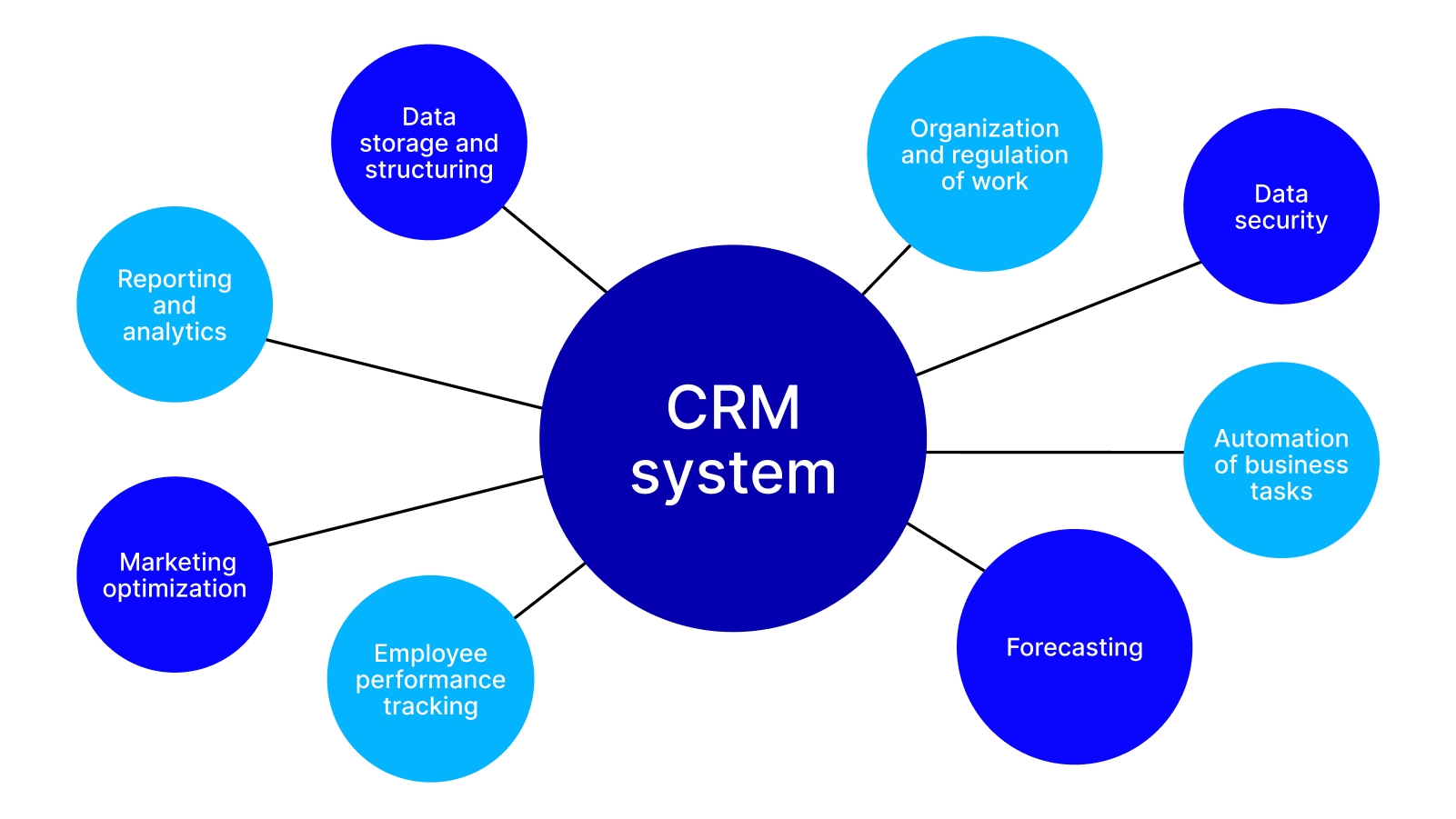
In today’s competitive landscape, B2B SaaS companies are continually seeking ways to enhance their customer relationships while optimizing their sales processes. A robust Customer Relationship Management (CRM) system plays a pivotal role in achieving these objectives. By centralizing customer data and streamlining interactions, a CRM system enables organizations to build stronger relationships with their clients, ultimately leading to enhanced customer satisfaction and retention.The critical role of CRM systems in B2B SaaS firms can be observed through several key functions.
Firstly, CRM systems provide a single source of truth for all customer interactions, making it easier for teams to access up-to-date information. This visibility helps sales and customer support teams engage effectively with clients, fostering trust and loyalty. Moreover, CRM tools facilitate the tracking of customer behavior and preferences, allowing companies to tailor their communications and offerings according to individual needs.
By leveraging analytics provided by these systems, B2B SaaS firms can identify opportunities for upselling and cross-selling, which directly contribute to revenue growth.
Streamlining Sales Processes for Software as a Service Companies
Effective sales processes are paramount for B2B SaaS companies, where nurturing leads and closing deals can be complex due to the longer sales cycles. CRM systems streamline these processes by automating repetitive tasks and nurturing leads more effectively. With features such as lead scoring, automated follow-ups, and seamless integration with marketing tools, sales teams can focus their efforts on high-priority leads that are most likely to convert.
Consider the example of Salesforce, a leading CRM platform that has transformed the sales processes of countless B2B SaaS companies. By utilizing its comprehensive suite of tools, organizations can automate lead nurturing, manage pipelines efficiently, and analyze sales performance in real time. The result is a more agile sales team that can respond promptly to customer inquiries and market changes.Another notable example is HubSpot, which combines CRM functionalities with marketing automation.
This integration allows B2B SaaS companies to engage prospects through personalized email campaigns, keeping them informed throughout their buyer’s journey. Companies utilizing HubSpot’s CRM have reported significant increases in conversion rates, thanks to the enhanced collaboration between sales and marketing teams enabled by the platform.In summary, CRM systems are essential for B2B SaaS companies looking to enhance customer relationships and streamline their sales processes.
By adopting effective CRM strategies, these organizations can not only improve operational efficiency but also drive sustainable growth in a rapidly evolving market.
Key features that B2B SaaS companies should look for in a CRM
In the competitive landscape of B2B SaaS, selecting the right Customer Relationship Management (CRM) system is crucial for streamlining operations and enhancing customer engagement. A well-chosen CRM can empower organizations to manage customer interactions, track sales, and automate marketing efforts seamlessly. Here are the essential features that B2B SaaS companies should prioritize when evaluating CRM solutions.
Automation and Reporting Capabilities
Automation is integral to a CRM’s functionality as it reduces manual work and increases efficiency. B2B SaaS companies benefit significantly from automation features such as lead scoring, workflow automation, and task reminders. These tools enable teams to focus more on strategy rather than getting bogged down in repetitive tasks. For instance, automating follow-up emails can ensure that leads do not slip through the cracks, increasing conversion rates.Reporting capabilities play a critical role in understanding business performance.
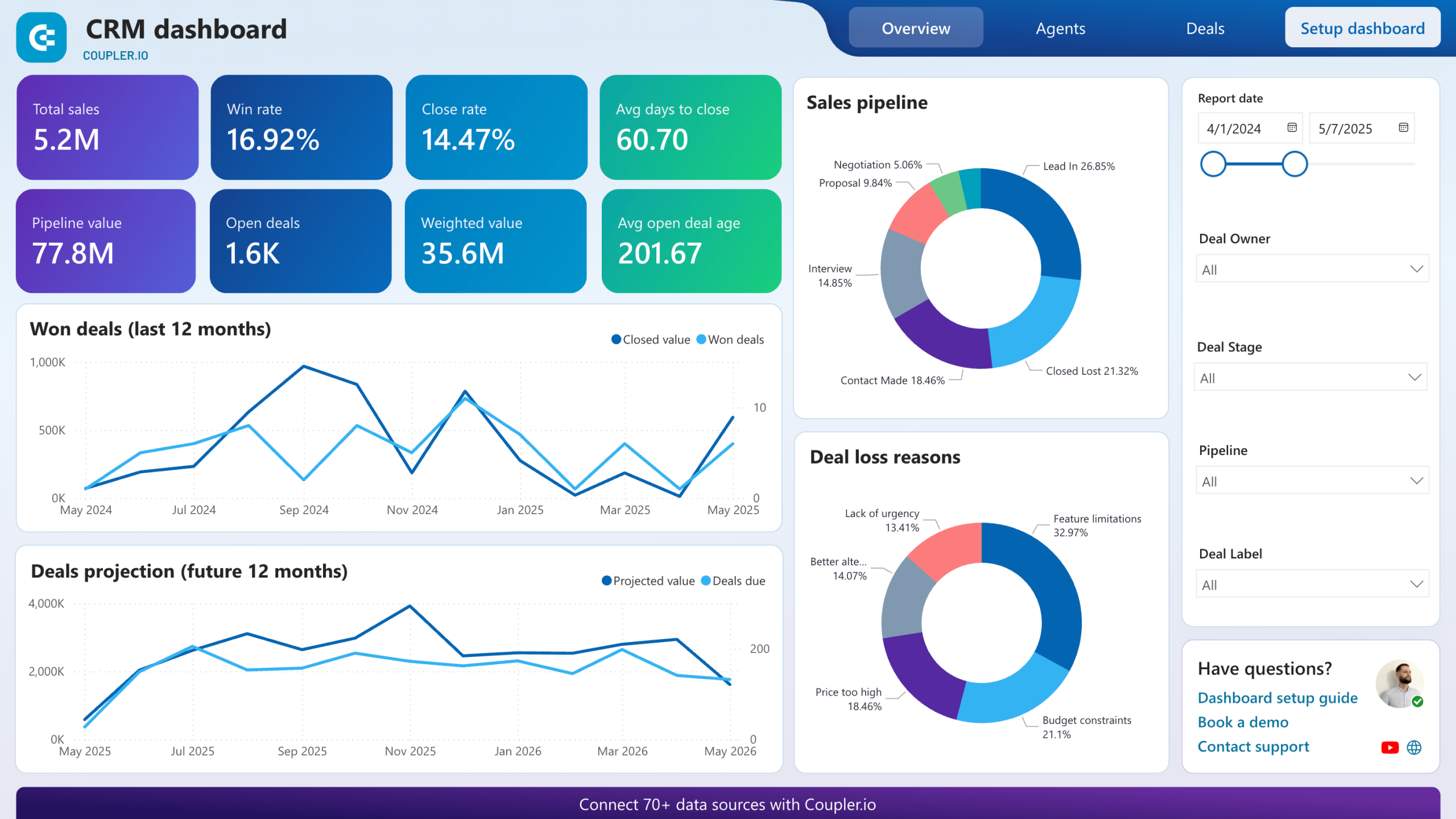
A robust CRM should offer customizable dashboards that provide insights into sales trends, customer behavior, and campaign effectiveness. These reports help businesses make data-driven decisions. For example, a SaaS company could analyze which marketing channels yield the highest return on investment (ROI) and allocate resources accordingly.
Effective automation combined with insightful reporting creates a powerful synergy that drives business growth.
Integration with Other Business Tools
Integration of CRM with other business tools enhances its effectiveness and creates a seamless workflow. B2B SaaS companies often use various applications such as email marketing platforms, project management tools, and accounting software. A CRM that integrates with these tools enables data synchronization, reducing the risk of errors and improving data accuracy.For example, integrating a CRM with a project management tool allows sales teams to track customer projects directly from the CRM interface.
This means that any updates or changes can be instantly accessed, promoting better communication among team members. Similarly, linking the CRM with accounting software can streamline invoicing and payment processes, ensuring that sales teams have real-time visibility into customer payment statuses.In conclusion, selecting a CRM with strong automation and reporting capabilities, along with robust integration options, empowers B2B SaaS companies to enhance operational efficiency, gain valuable insights, and ultimately boost customer satisfaction and retention.
Challenges faced by B2B SaaS companies when implementing CRM

Implementing a Customer Relationship Management (CRM) system is a pivotal step for B2B SaaS companies aiming to enhance their customer interactions and data management. However, the transition is often fraught with challenges that can hinder effective adoption and utilization. Understanding these obstacles is essential for companies looking to streamline their CRM implementation process and maximize the benefits that a robust CRM system can offer.One of the most common challenges faced by B2B SaaS companies when adopting CRM systems is the complexity of integration with existing systems.
Many organizations already use a plethora of tools and platforms for various functions such as marketing, sales, and customer support. The task of ensuring that the new CRM integrates seamlessly with these systems can be daunting. Disparate data formats, incompatible APIs, and differing data management protocols can create substantial hurdles. Furthermore, the lack of adequate technical support during the integration phase can exacerbate these issues, resulting in delays and potential disruptions to business operations.
Impact of Organizational Culture on CRM Implementation Success
Organizational culture plays a significant role in the success of CRM implementation. The alignment between the CRM system and the company’s existing culture can determine how smoothly the transition occurs. For instance, companies with a culture that embraces data-driven decision-making are likely to leverage CRM systems more effectively. On the other hand, organizations resistant to change may face significant hurdles.
A lack of buy-in from leadership or employees can manifest in reluctance to adopt the system fully, leading to underutilization and wasted investment.To foster a culture that supports CRM implementation, it is crucial to engage stakeholders at all levels early in the process. Providing comprehensive training and demonstrating the CRM system’s value through pilot programs can help in winning over skeptics.
Additionally, celebrating small wins and sharing success stories across the organization can reinforce the benefits of using the CRM and encourage wider acceptance.
Overcoming Data Migration Issues and User Adoption Resistance
Data migration is often a significant hurdle during CRM implementation. The challenge lies not just in transferring data but ensuring that it is accurate, clean, and organized. Companies may struggle with data duplication, outdated information, or inconsistencies across different systems. To tackle these issues, a well-structured data audit should be conducted before migration. This process involves cleaning and validating the data, which can significantly enhance the accuracy and reliability of information in the new CRM system.User adoption resistance is another major challenge that can impede CRM effectiveness.
Employees may be hesitant to change their established routines or may feel overwhelmed by the new system. To combat this, organizations should prioritize user-friendly interfaces and comprehensive training programs that focus on how the CRM can make employees’ jobs easier. Implementing a feedback loop where users can voice their concerns and suggestions can also promote a sense of ownership and encourage engagement with the new system.In summary, B2B SaaS companies face several challenges when implementing CRM systems, from integration complexities and cultural alignment to data migration obstacles and user adoption resistance.
By addressing these challenges head-on with thoughtful strategies, companies can pave the way for a successful CRM implementation that drives improved customer relationships and business growth.
The role of analytics in CRM for B2B SaaS companies

Analytics play a pivotal role in transforming how B2B SaaS companies approach their customer relationships. By harnessing data-driven insights, organizations can make informed decisions that enhance customer interactions, tailor service offerings, and ultimately, drive revenue growth. The integration of analytics within CRM systems enables businesses to unlock the full potential of their customer data, thereby gaining a competitive edge in the market.The utilization of analytics within CRM systems allows B2B SaaS companies to analyze valuable customer data, which in turn transforms decision-making processes.
With real-time data insights, businesses can identify trends, track customer preferences, and assess the effectiveness of their marketing strategies. For instance, a SaaS company might discover through analytics that clients are engaging more with a specific feature of their platform, prompting a focus on enhancing that aspect. This approach not only optimizes resource allocation but also ensures efforts are aligned with customer needs, ultimately improving customer satisfaction and retention rates.
Leveraging customer data to improve service offerings
Employing customer data effectively can significantly enhance service offerings and customer experiences. By analyzing customer interactions, behaviors, and feedback, B2B SaaS companies can tailor their services to meet the unique needs of their clientele. Consider the following strategies for leveraging customer data:
- Personalization of services: CRM analytics can help identify individual customer preferences, enabling companies to deliver personalized experiences that resonate with clients.
- Targeted marketing campaigns: Analyzing customer data allows businesses to segment their audience, thus facilitating tailored marketing efforts that speak directly to specific customer needs.
- Proactive customer support: By monitoring customer usage patterns, companies can anticipate issues and engage clients proactively, enhancing their overall experience.
- Continuous feedback loops: Utilizing analytics to gather customer feedback ensures that service offerings evolve in response to changing client needs.
Tracking customer interactions and behaviors is critical for accurate sales forecasting. By analyzing historical data on customer purchases, engagement rates, and product usage, B2B SaaS companies can identify trends and predict future sales more effectively. This insight allows businesses to adjust their sales strategies proactively and allocate resources efficiently.
“Understanding customer behavior is not just about data; it’s about transforming that data into actionable strategies and optimizations.”
For instance, a SaaS company observing a spike in feature usage during a particular quarter may forecast increased sales as clients demonstrate greater engagement with their product. This kind of predictive analysis can help in formulating targeted strategies for upselling and cross-selling, ensuring that the company remains agile in a competitive landscape.
Best practices for utilizing CRM in B2B SaaS environments
In the competitive landscape of B2B SaaS, effective utilization of Customer Relationship Management (CRM) systems is crucial for driving growth, maintaining client satisfaction, and enhancing operational efficiency. By implementing best practices tailored for B2B SaaS environments, companies can maximize the benefits of their CRM systems and foster stronger relationships with clients.A key strategy for optimizing CRM is ensuring that it aligns with the specific needs and workflows of the organization.
This involves customizing the CRM to reflect the unique sales processes, customer interactions, and data tracking relevant to the SaaS industry. Proper segmentation of clients based on characteristics such as industry, company size, and purchase behavior allows for more personalized interactions, which can lead to higher engagement and conversion rates.
Importance of employee training on CRM functionalities
For a CRM system to be effective, it is imperative that all employees are thoroughly trained on its functionalities. Training equips team members with the skills they need to utilize the CRM effectively, which can significantly enhance user engagement and data integrity. A well-trained staff can leverage CRM tools to streamline day-to-day tasks, manage customer interactions more effectively, and generate actionable insights from data.To maximize training effectiveness, companies should consider the following approaches:
- Conduct regular training sessions that cover not only the basic functionalities but also advanced features of the CRM.
- Utilize real-life scenarios and case studies to illustrate how the CRM can solve specific challenges faced by the sales and support teams.
- Encourage ongoing learning by providing access to online resources, video tutorials, and user forums.
- Implement a mentorship program where experienced users can share insights and tips with newer team members.
By investing in comprehensive training, companies can ensure that employees are confident and competent in using the CRM, ultimately leading to improved customer interactions and business outcomes.
Enhancing CRM effectiveness through regular updates and feedback loops
Regular updates and feedback loops are essential for maintaining CRM effectiveness in a B2B SaaS context. The technology landscape is constantly evolving, and keeping the CRM system up to date ensures that it incorporates the latest features and improvements. This not only enhances functionality but also helps in addressing any bugs or issues that may hinder performance.Establishing feedback loops encourages team members to share their experiences and suggestions regarding the CRM.
This can be achieved through:
- Regular surveys or questionnaires to gather insights from users about their experiences with the system.
- Hosting feedback sessions where employees can discuss challenges and propose enhancements based on their daily interactions with clients.
- Creating a dedicated channel for CRM-related feedback, such as a shared document or an internal forum, where users can post their suggestions.
By acting on the feedback received, companies can refine their CRM systems to better meet the needs of their teams and clients, leading to increased satisfaction and loyalty.
Regular updates and feedback loops are key to keeping your CRM system relevant and user-friendly.
Comparing popular CRM solutions for B2B SaaS companies
In the competitive landscape of B2B SaaS, choosing the right CRM is crucial for managing customer relationships effectively. Several CRM platforms have emerged, each with unique features catering to the specific needs of B2B businesses. This overview provides insights into three leading CRM solutions, highlighting their strengths and weaknesses to assist companies in making informed decisions.
Analysis of Leading CRM Platforms
This section delves into the strengths and weaknesses of three prominent CRM solutions: Salesforce, HubSpot, and Pipedrive. Each platform has its distinctive qualities, making them suitable for different types of B2B SaaS companies.
- Salesforce
Salesforce is a robust and highly customizable CRM solution that is ideal for larger enterprises.
Its strengths lie in its extensive features, including advanced analytics, automation capabilities, and integration with numerous third-party applications. However, the complexity of its interface can be a drawback for smaller teams, requiring significant training and onboarding.
- HubSpot
HubSpot offers a user-friendly interface with an integrated marketing solution, making it suitable for businesses focused on inbound marketing.
Its strengths include a free tier, seamless integration with marketing tools, and a focus on user experience. However, the advanced features can become pricey as companies scale, and the customization options are less extensive compared to Salesforce.
- Pipedrive
Pipedrive is known for its sales pipeline management, catering particularly well to sales-driven organizations.
Its strength is its simplicity and intuitive design, allowing teams to easily visualize and manage their sales processes. On the downside, it lacks some advanced automation and reporting features found in more comprehensive solutions like Salesforce.
Comparison Table of CRM Solutions
To provide a clearer perspective on the differences, the following table demonstrates the pricing, features, and customer support options of the three CRM solutions:
| CRM Solution | Pricing (per user/month) | Key Features | Customer Support |
|---|---|---|---|
| Salesforce | $25 – $300 | Customizable dashboards, extensive integrations, advanced analytics | 24/7 support, extensive documentation, community forums |
| HubSpot | Free – $120 | Integrated marketing tools, email tracking, reporting dashboard | Email support, live chat for paid plans, knowledge base |
| Pipedrive | $15 – $99 | Visual sales pipeline, activity reminders, email integration | Email support, live chat, help center |
This comparative overview provides an essential framework for B2B SaaS companies to evaluate their options based on specific requirements, making it easier to select a CRM that aligns with their business goals.
The future of CRM technology in B2B SaaS businesses
The landscape of Customer Relationship Management (CRM) technology is undergoing significant transformations, particularly in the B2B SaaS sector. As businesses evolve, so too do their expectations of CRM systems. The future promises innovative solutions that cater to these changing demands, driven by emerging trends and technologies that redefine how companies manage relationships with their clients. One of the most notable trends shaping the future of CRM is the integration of artificial intelligence (AI) and machine learning (ML).
These technologies are fundamentally altering CRM functionalities, enabling a more personalized, efficient, and data-driven approach to customer management. By leveraging AI, CRM systems can analyze vast amounts of customer data to provide insights that were previously unattainable. For instance, AI can predict customer behavior, enabling sales teams to tailor their strategies accordingly. Additionally, AI-powered chatbots enhance customer support, providing immediate answers and freeing up human agents for more complex queries.
Artificial Intelligence and Machine Learning in CRM
AI and ML are not just buzzwords; they are integral to the modern CRM landscape. Their application in CRM systems allows for automation of repetitive tasks, such as data entry and customer follow-ups. This leads to increased productivity and allows teams to focus on strategic initiatives. Here are key functionalities being reshaped by AI and ML:
- Predictive Analytics: AI algorithms analyze past interactions to forecast future behaviors, helping businesses focus on high-potential leads.
- Enhanced Customer Segmentation: ML models can automatically categorize customers based on behavior and preferences, enabling tailored marketing strategies.
- Sentiment Analysis: AI tools assess customer feedback across channels to gauge satisfaction levels, providing insights into potential areas for improvement.
- Automated Reporting: CRM systems can generate customized reports based on real-time data, simplifying the reporting process for teams.
Predictions indicate that as customer expectations continue to evolve, CRMs will increasingly prioritize seamless integrations with other business tools, including marketing automation and sales platforms. This interconnectedness will facilitate a more holistic view of the customer journey. Furthermore, with the rise of remote work, CRM technology will likely enhance mobile functionalities, allowing sales and support teams to engage with clients from anywhere, thus improving responsiveness and adaptability.As B2B SaaS companies strive to remain competitive, the implementation of innovative CRM solutions will be crucial.
Companies like Salesforce and HubSpot are already leading the charge by incorporating AI-driven features that improve user experience and drive business growth. In the coming years, the emphasis on customer-centricity will only intensify, pushing CRM technology to adapt and evolve in ways that prioritize customer relationships and satisfaction.