As crm for insurance agencies takes center stage, this opening passage beckons readers into a world crafted with good knowledge, ensuring a reading experience that is both absorbing and distinctly original.
The importance of CRM systems tailored specifically for insurance agencies cannot be overstated. These systems are designed to improve client relationships and streamline operations, allowing agencies to manage their workflows more effectively. By adopting a tailored CRM solution, insurance firms can enhance their communication with clients, track interactions, and automate routine tasks, resulting in improved efficiency and satisfaction. Successful agencies that have implemented these systems have seen remarkable transformations, showcasing how critical a CRM can be in the competitive insurance market.
The significance of CRM systems specifically designed for insurance agencies
Having a Customer Relationship Management (CRM) system tailored for insurance agencies is no longer a luxury but a necessity in today’s competitive market. These systems are specifically designed to meet the unique needs of insurance firms, enabling them to manage client relationships better, streamline operations, and enhance overall efficiency. By integrating all client interactions and data into a single platform, insurance agencies can improve how they serve their clients while also tracking performance metrics that matter.Insurance agencies face unique challenges, such as managing a diverse range of insurance products, navigating regulatory requirements, and maintaining client engagement over long policy periods.
A tailored CRM solution can address these challenges effectively. By organizing client data, tracking interactions, and automating routine tasks, agencies can significantly enhance their operational efficiency. With features like automated reminders for policy renewals, document management, and client communication logs, insurance agencies can ensure that no important details slip through the cracks.
Improvement of client relationships and operational efficiency
A well-implemented CRM system can fundamentally transform client relationships within insurance agencies. By centralizing client information, agencies can provide personalized service that meets the specific needs of each client. Clients appreciate timely communication and tailored solutions, leading to increased satisfaction and loyalty. With a CRM, agencies can track policy details, claims history, and client preferences, allowing agents to offer relevant advice and options proactively.Furthermore, the operational efficiency of insurance firms improves significantly with CRM systems.
Automation of mundane tasks allows agents to focus on building relationships rather than administrative work. For instance, when a client inquires about policy options, the agent can quickly pull up their history and recommend the best products based on past preferences. This not only saves time but also creates a more engaging client experience.Successful insurance agencies have embraced CRM solutions to harness these benefits.
For example, Allstate Insurance utilized a CRM system to enhance its agent-client interactions, resulting in a reported 30% increase in customer retention rates. Similarly, State Farm adopted a CRM tailored for insurance that integrated customer data across various touchpoints, leading to improved cross-selling opportunities and operational insights. These examples illustrate the powerful impact of tailored CRM systems on both client satisfaction and agency performance, showcasing their importance in the modern landscape of insurance.
Key features to look for in a CRM system for insurance agencies
Selecting the right Customer Relationship Management (CRM) system is crucial for insurance agencies aiming to optimize their operations and enhance client relationships. The unique demands of insurance professionals call for specific functionalities that streamline processes, improve customer service, and ultimately drive sales. Below are essential features that insurance agencies should prioritize when choosing a CRM system.
Essential features for insurance agency CRM
Understanding the critical features of a CRM system helps insurance agencies tailor their operations to better meet client needs and improve efficiency. Below are five essential features to consider:
- Client Management: A robust client management feature enables agencies to maintain comprehensive profiles for each client, including their policy details, contact history, and important documents. This centralization of information allows agents to provide personalized service and respond to inquiries more efficiently.
- Policy Tracking: This feature allows agents to monitor the status of policies, policy renewals, and claims in real-time. It minimizes the chances of lapses in coverage by sending automated reminders for renewals and important deadlines, thus ensuring clients remain protected.
- Integration Capabilities: The ability to integrate with other systems such as accounting software, email marketing tools, and lead generation platforms enhances the CRM’s functionality. This streamlines operations, reduces data entry errors, and allows for a more cohesive workflow across various departments within the agency.
- Automation Tools: Automation features, such as automated follow-ups and lead assignment, significantly reduce the administrative burden on agents. This allows them to focus more on selling and client relationships, improving productivity and ultimately leading to increased sales.
- Reporting and Analytics: Customizable reporting and analytics tools provide insights into sales performance, client demographics, and policy trends. These analytics help agencies make data-driven decisions, forecast future sales, and identify areas for improvement, ultimately enhancing overall performance.
Implementing the right CRM features can lead to a significant increase in client satisfaction and retention rates for insurance agencies.
Benefits of automation and reporting functions
The incorporation of automation within a CRM system offers multiple advantages for insurance agencies. Automation streamlines repetitive tasks such as data entry, appointment scheduling, and follow-up reminders, allowing agents to dedicate more time to building client relationships and closing deals. This leads to improved efficiency and a higher volume of business processed within the agency.
In addition to automation, reporting functions provide agencies with valuable insights into their operations. With the ability to generate detailed reports on sales performance, customer interactions, and claims handling, agencies can identify successful strategies and areas needing attention. For example, if a report shows that a particular marketing campaign resulted in a surge of new clients, the agency can focus its resources on expanding that campaign.
Furthermore, predictive analytics allow agencies to anticipate client needs based on historical data, enabling proactive engagement and personalized service. This not only enhances client satisfaction but can also lead to increased referrals and long-term loyalty.
Overall, CRM systems equipped with automation and robust reporting functionalities empower insurance agencies to operate more efficiently, make informed decisions, and adapt to market changes with agility.
The role of CRM in enhancing customer satisfaction in insurance
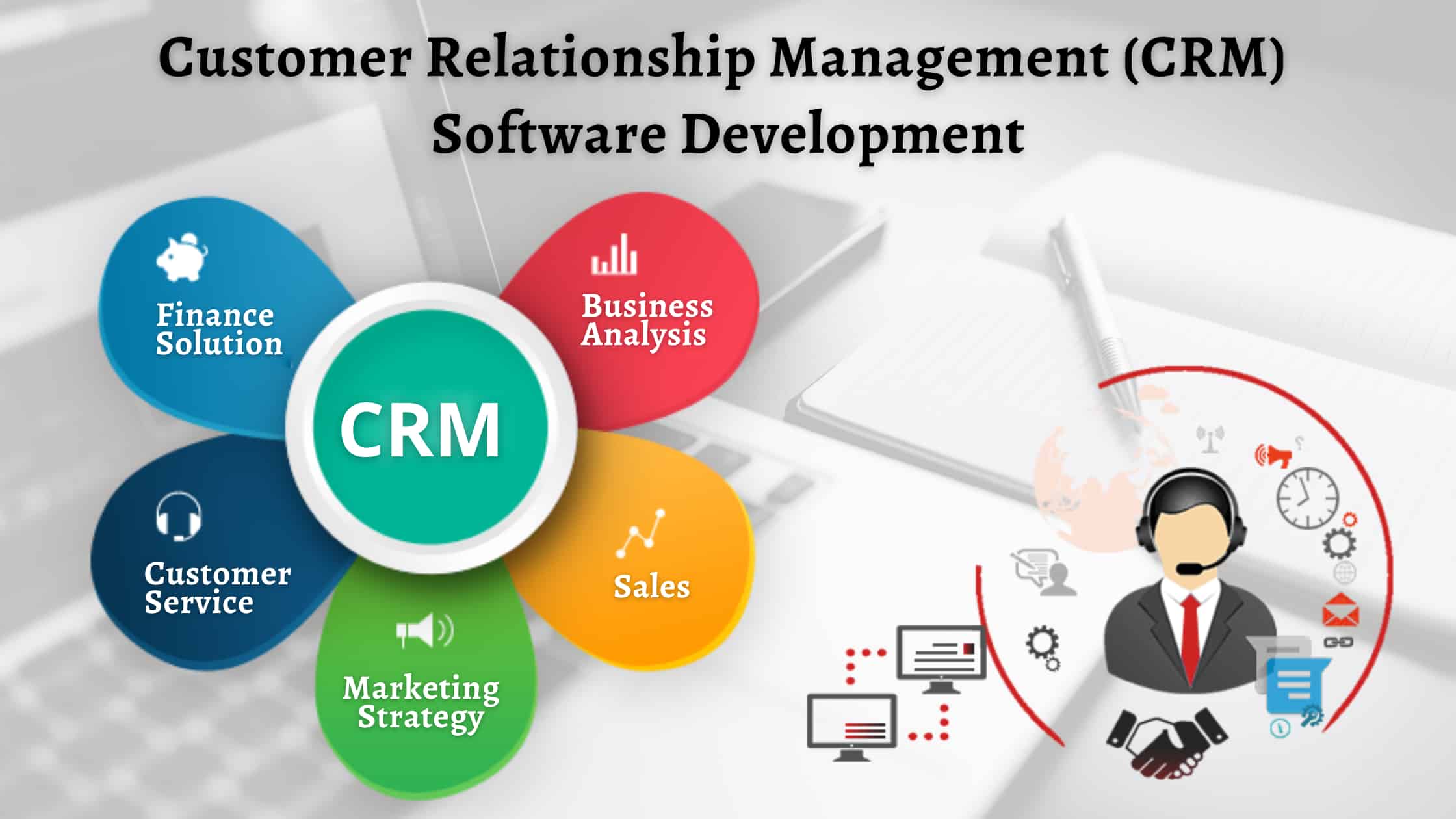
In the competitive landscape of insurance, customer satisfaction is paramount. A robust Customer Relationship Management (CRM) system can significantly enhance the way insurance agencies interact with policyholders, leading to improved client experiences and strengthened loyalty. By integrating CRM tools, agencies can streamline processes and genuinely focus on meeting the needs of their customers.Utilizing CRM effectively allows insurance agencies to gather and analyze customer data, which in turn helps in personalizing service offerings.
With CRM, agencies can track customer interactions across various touchpoints—be it online inquiries, claims processes, or policy renewals. This collection of data ensures that every engagement is informed and relevant, thus fostering a sense of care and consideration among policyholders.
Tracking customer touchpoints and feedback
Understanding customer touchpoints is crucial for enhancing satisfaction levels. CRM systems provide a platform for monitoring every interaction that a client has with the agency. This can include communication via email, phone calls, website visits, and social media interactions. By tracking these interactions, agencies can identify patterns in customer behavior and preferences.The feedback collected through CRM tools is invaluable. It allows agencies to pinpoint areas needing improvement and recognize what works well.
Key elements of tracking feedback include:
- Surveys post-interaction to gauge customer satisfaction and service effectiveness.
- Monitoring social media mentions to understand public perception and sentiment.
- Analyzing call logs to evaluate service quality during customer support interactions.
This comprehensive approach to feedback helps insurance agencies adapt their services, ensuring that they remain aligned with customer expectations and preferences.
Personalizing client interactions and improving service delivery
Personalization plays a key role in improving customer satisfaction. CRM data enables insurance agencies to tailor their communications and offerings based on individual customer profiles and history. This enhances interactions, making clients feel valued and understood.Strategies to utilize CRM for personalization include:
- Segmenting clients based on demographics, policy types, or previous interactions to deliver targeted marketing and communications.
- Utilizing automated reminders for policy renewals or important updates, ensuring clients are informed without feeling overwhelmed.
- Creating customized insurance recommendations based on a client’s life stage, such as offering life insurance products to newlyweds or homeowners.
By implementing these strategies, agencies can effectively improve service delivery and build stronger relationships with their clients. A CRM system not only provides the tools for personalization but also enables continuous improvement based on real-time feedback and evolving customer needs.
Best practices for implementing a CRM system in an insurance agency

Implementing a Customer Relationship Management (CRM) system in an insurance agency can significantly enhance client relations and streamline operations. By following best practices, agencies can ensure a smooth transition and maximize the system’s potential to meet business objectives. This discussion explores essential steps, staff engagement strategies, and a timeline for successful adoption of a CRM system.
Essential Steps for Planning CRM Implementation
Effective planning is crucial for a successful CRM implementation. Here are some key steps to consider:
- Define Objectives: Clearly Artikel what you aim to achieve with the CRM system, such as improving customer service, increasing sales, or enhancing data management.
- Assess Current Processes: Analyze existing workflows and identify areas for improvement that the CRM can address.
- Select the Right CRM: Choose a system that fits your agency’s needs, considering factors like user-friendliness, scalability, and integration capabilities.
- Create a Project Team: Form a group of representatives from various departments to oversee the implementation and ensure all perspectives are considered.
- Develop a Project Plan: Establish a timeline, allocate resources, and define roles and responsibilities to guide the implementation process.
Importance of Staff Training and Engagement
Training staff is a pivotal aspect of CRM implementation that can influence the system’s success. Engaged employees are more likely to utilize the CRM effectively, which in turn enhances client interactions. Consider the following strategies to facilitate training and engagement:
- Conduct Training Sessions: Organize comprehensive training programs that cover all features of the CRM, tailored to different user roles.
- Provide Ongoing Support: Offer assistance and resources post-training to help staff navigate challenges and reinforce learning.
- Encourage Feedback: Create channels for staff to share their experiences and suggestions regarding the CRM, fostering a sense of ownership and collaboration.
- Recognize Achievements: Celebrate milestones and acknowledge individuals or teams who excel in utilizing the CRM, promoting a positive culture surrounding the new system.
Timeline of Milestones for Successful CRM Adoption
Establishing a clear timeline with milestones can help track progress and maintain focus throughout the CRM implementation. A typical timeline might include the following phases:
- Weeks 1-2: Define objectives and assess current processes.
- Weeks 3-4: Select the CRM and form the project team.
- Weeks 5-6: Develop the project plan and begin system customization.
- Weeks 7-8: Conduct training sessions for all staff members.
- Weeks 9-10: Roll out the CRM system, monitor usage, and collect feedback.
- Weeks 11-12: Evaluate effectiveness and make necessary adjustments based on staff input and performance metrics.
“A well-implemented CRM system can transform the client experience and ultimately lead to higher retention rates and increased sales.”
Challenges faced by insurance agencies in adopting CRM systems
Insurance agencies today are progressively integrating Customer Relationship Management (CRM) systems to enhance client interactions, streamline processes, and improve efficiency. However, the journey to CRM adoption is often fraught with challenges that can hinder successful implementation. Understanding these obstacles is crucial for agencies aiming to leverage CRM technology effectively.The primary challenges that insurance agencies encounter when integrating CRM solutions can be attributed to a mix of technological, organizational, and human factors.
These barriers may range from resistance to change among staff to difficulties in data migration and integration with existing systems. Addressing these issues is essential for a smooth transition to a CRM-centric approach.
Common obstacles in CRM integration
Several key obstacles commonly impede the successful adoption of CRM systems by insurance agencies. Recognizing these challenges can help agencies strategize effectively for implementation.
- Staff Resistance to Change: Employees accustomed to traditional processes may resist transitioning to a CRM system. This reluctance can stem from fear of the unknown or concerns about job security.
- Data Migration Difficulties: Transferring existing client data to a new CRM platform can be challenging. Inaccurate or incomplete data can lead to operational disruptions.
- Integration with Legacy Systems: Many agencies rely on older systems that may not easily integrate with modern CRM solutions, requiring additional resources and time for customization.
- Cost Constraints: The financial burden of implementing a CRM, including software licenses, training, and ongoing maintenance, can be significant, particularly for smaller agencies.
- Lack of Training and Support: Insufficient training can lead to underutilization of the CRM features, resulting in minimal return on investment.
Strategies for overcoming CRM challenges
Implementing effective strategies can help insurance agencies navigate the challenges of CRM adoption. These strategies focus on fostering a supportive environment and ensuring that the transition is as seamless as possible.
- Change Management Initiatives: Engaging employees early in the process, providing clear communication about the benefits of the CRM, and involving them in the implementation can reduce resistance.
- Thorough Data Assessment: Conducting a detailed audit of existing data before migration can help identify inaccuracies and prepare data for a smoother transfer.
- Choosing Compatible Solutions: Investing in CRM systems that easily integrate with existing technology can save time and reduce complications.
- Budgeting for Total Costs: Agencies should account for all aspects of CRM implementation in their budgets, ensuring they have resources allocated for training and support as well.
- Comprehensive Training Programs: Providing ongoing training sessions and resources ensures that staff feel equipped to utilize the CRM effectively.
Real-life scenarios illustrating challenges and resolutions
Understanding real-world examples can shed light on how these challenges manifest and how they have been successfully addressed in insurance agencies.
“A mid-sized insurance agency struggled with high employee turnover due to reluctance in adopting a new CRM. By implementing a structured change management plan that included training sessions and feedback mechanisms, they successfully improved employee engagement and CRM utilization.”
In another instance, a small agency faced significant issues during data migration, leading to lost client records. They mitigated this risk by partnering with the CRM vendor for technical assistance and conducting a phased migration process, which allowed them to verify data accuracy step by step.Lastly, an insurance agency that initially faced integration issues with their legacy system realized significant improvements after choosing a CRM specifically designed for compatibility with older software.
This strategic choice reduced the integration time and resulted in a smoother overall transition.These examples highlight the importance of addressing challenges proactively to harness the full potential of CRM systems in insurance agencies.
The impact of mobile CRM applications on insurance agencies
The emergence of mobile CRM applications has significantly transformed the landscape of insurance agencies. By providing agents with the tools they need to access client information and manage relationships on-the-go, these applications have streamlined operations, enhanced productivity, and improved customer satisfaction. Agents can now work efficiently from virtually anywhere, allowing for a more flexible and dynamic work environment.Mobile CRM applications empower insurance agents by offering functionalities tailored to their unique needs in the field.
These tools not only simplify everyday tasks but also enable agents to focus on building stronger relationships with their clients. For instance, mobile CRMs allow agents to effortlessly track sales opportunities, access client data, and manage their appointments, all from the convenience of their smartphones or tablets.
Mobile CRM functionalities that benefit insurance agents
The functionalities of mobile CRM applications play a crucial role in supporting insurance agents in their daily operations. Some of the key features that stand out include:
- Client Data Access: Agents can access comprehensive client profiles, including policy details and communication history, at a moment’s notice. This instant access to information allows for personalized interactions and informed decision-making during client meetings.
- Lead Management: Mobile CRMs enable agents to capture and track leads in real-time, ensuring no opportunities are lost. Agents can quickly update lead statuses, set reminders for follow-ups, and prioritize prospects based on engagement levels.
- Appointment Scheduling: Agents can easily schedule appointments and manage their calendars directly through mobile applications, reducing the likelihood of double bookings and missed opportunities.
- Document Sharing: Mobile CRM applications allow agents to share important documents with clients directly from their devices. This ensures that clients have timely access to necessary paperwork, enhancing transparency and trust.
- Task Management: With built-in task management features, agents can create to-do lists and set deadlines, helping them stay organized and focused on their goals.
The advantages of real-time data access provided by mobile CRM applications cannot be overstated. Insurance professionals benefit from immediate updates on client interactions, market trends, and policy changes, which allows them to respond quickly and accurately to client needs. Real-time access ensures that agents have the most current information at their fingertips, leading to enhanced decision-making and service delivery.
“Real-time data access allows agents to provide timely solutions, improving client satisfaction and fostering long-term relationships.”
By leveraging the power of mobile CRM applications, insurance agencies can notably enhance their operational efficiency, allowing agents to deliver exceptional service while managing their workflows more effectively. This transformation is not only beneficial for agents but also results in a more satisfied client base, ultimately driving agency success.
Integrating CRM with other insurance technologies
Integrating Customer Relationship Management (CRM) systems with other technologies within the insurance industry is crucial for enhancing operational efficiency and customer satisfaction. By leveraging various tools, agencies can streamline their processes, improve data accuracy, and create a cohesive digital ecosystem that supports better decision-making.Effective integration of CRM with systems such as policy management and claims processing software enables insurance agencies to maintain a single source of truth regarding customer information.
This interconnectedness minimizes the risk of errors that can arise from manual data entry and ensures that agents have access to the latest information, thus improving their responsiveness to client needs.
Compatible technologies that enhance CRM functionality
To optimize the performance of CRM systems in insurance agencies, several compatible technologies can be integrated. The following table Artikels these technologies along with their purpose and benefits:
| Technology | Purpose | Benefits |
|---|---|---|
| Policy Management Systems | To manage policy documents, renewals, and client communications. | Streamlined operations and unified access to policy details. |
| Claims Management Systems | To process and track insurance claims efficiently. | Faster claim resolution and improved customer satisfaction. |
| Marketing Automation Tools | To automate marketing campaigns and communications. | Increased engagement and targeted outreach to clients. |
| Accounting Software | To manage financial transactions and reporting. | Enhanced financial tracking and accuracy in billing. |
| Data Analytics Platforms | To analyze client data and market trends. | Informed decision-making based on actionable insights. |
Integrating these technologies with a CRM system can significantly enhance the workflow within insurance agencies. A streamlined integration allows for seamless data transfer, reducing time spent on manual entry and ensuring that all teams work with the same accurate data. This not only enhances efficiency but also fosters a collaborative work environment where different departments can easily share insights and contribute to the overall success of the agency.
“Integration transforms disparate technologies into a cohesive system, empowering agencies to respond rapidly to client needs and market changes.”
Future trends in CRM technology for insurance agencies
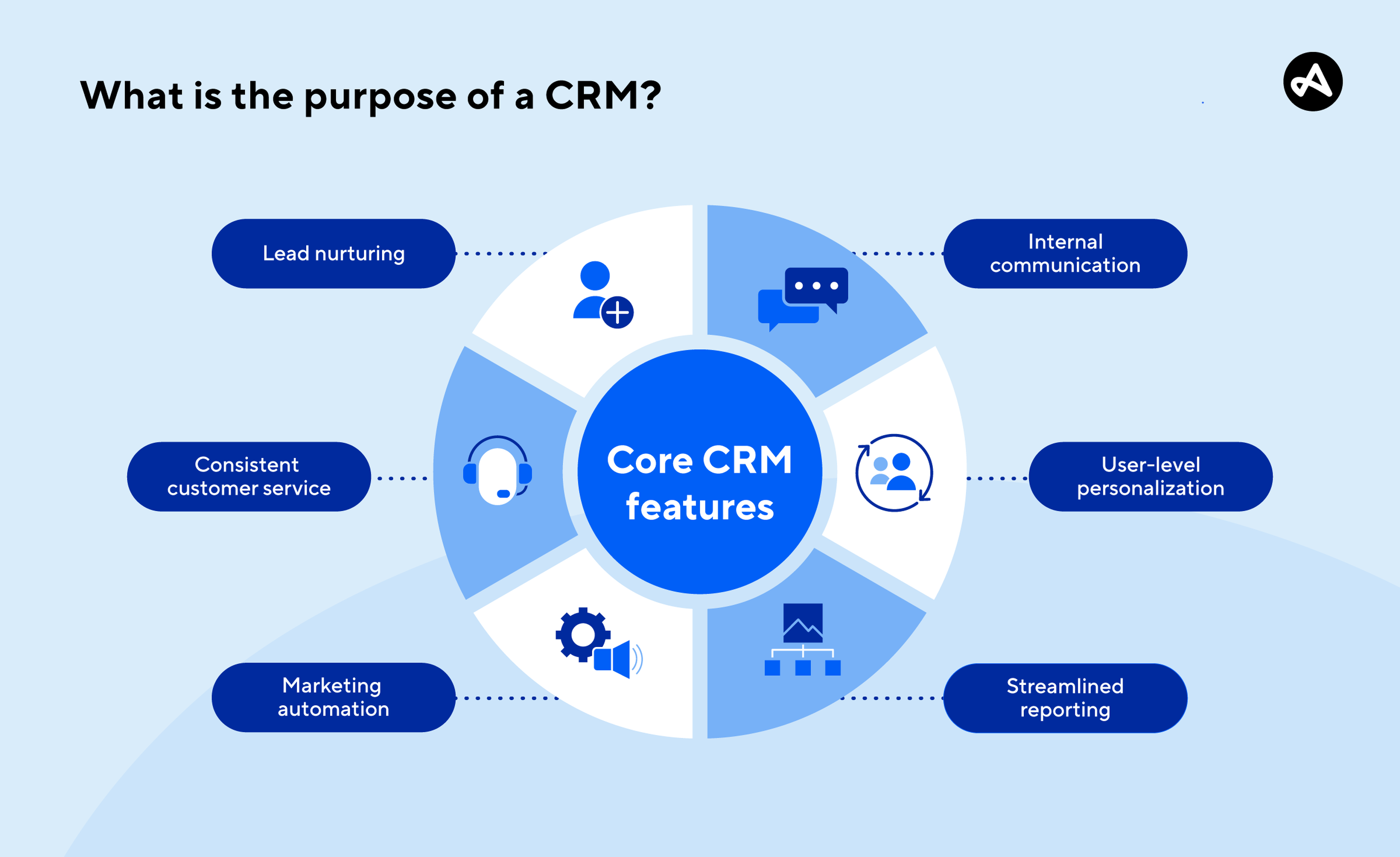
The landscape of Customer Relationship Management (CRM) technology is continuously evolving, particularly within the insurance sector. As agencies strive to improve client interactions and streamline operations, understanding future trends becomes vital. This section explores how advancements in technology, particularly in artificial intelligence (AI) and data analytics, are shaping the future of CRM systems tailored for insurance agencies.
Impact of Artificial Intelligence and Data Analytics
The integration of artificial intelligence and data analytics is set to revolutionize CRM systems in the insurance industry. AI technologies can analyze vast amounts of data to provide actionable insights, enabling agencies to offer personalized services and anticipate customer needs. Enhanced predictive analytics can significantly improve risk assessment and underwriting processes.For instance, AI algorithms can analyze client behavior patterns and historical data to predict future claims, helping agencies to adjust their policies proactively.
This not only enhances customer satisfaction but also boosts operational efficiency. Furthermore, automated chatbots powered by AI can handle customer queries 24/7, providing instant support and freeing up human agents for more complex issues.
Enhanced Customization Options in Future CRM Solutions
Future CRM solutions for insurance agencies are expected to offer unprecedented levels of customization, allowing agencies to tailor their systems to fit unique business needs. As customer expectations grow, the ability to customize CRM interfaces, client interactions, and reporting features will become crucial.The trend towards modular CRM systems allows agencies to choose specific functionalities that align with their operational strategies.
For example, agencies can incorporate modules for claims management, policy administration, and customer engagement that most align with their service offerings. This flexibility not only improves usability but also ensures that agencies can adapt their CRM systems as their business evolves.