In the realm of modern manufacturing, the integration of a robust CRM system can be a game changer. Manufacturing companies face distinct challenges, from complex supply chains to the need for efficient customer relationship management. By leveraging CRM solutions, businesses can streamline operations, enhance client interactions, and boost overall productivity. This article delves into how CRM for manufacturing companies not only addresses these hurdles but also paves the way for future growth and innovation.
As we explore the essential features tailored specifically for the manufacturing sector, we will uncover functionalities that differentiate these systems from generic CRMs. We’ll discuss how inventory management integration and production tracking capabilities can transform the way manufacturers operate. Furthermore, the role of CRM in strengthening customer relationships will be examined, highlighting how effective communication and personalized experiences can significantly enhance customer retention.
With real-world examples and insights into popular CRM platforms, we’ll provide a comprehensive overview of how these tools can make a meaningful impact on manufacturing companies.
The unique challenges manufacturing companies face that can be alleviated by CRM solutions
Manufacturing companies are often engulfed by a myriad of challenges that can strain operations and impact customer satisfaction. From managing intricate supply chains to maintaining consistent communication with clients and stakeholders, these hurdles can hinder growth and efficiency. A Customer Relationship Management (CRM) solution tailored for the manufacturing sector can significantly alleviate these issues, providing the necessary tools to streamline processes and enhance customer interactions.One of the foremost operational hurdles faced by manufacturing businesses is the complexity of the supply chain.
Manufacturers must coordinate with suppliers, distributors, and logistics providers, often across global networks. This complexity can lead to delays, inconsistent product availability, and ultimately, customer dissatisfaction. A CRM system centralizes vital information and facilitates better communication, enabling manufacturers to track orders in real-time, manage inventories effectively, and forecast demand with enhanced accuracy. By doing so, CRM systems improve responsiveness and ensure that customer expectations are met, leading to stronger relationships.
Supply chain complexities and customer relationship management
Supply chain disruptions can have a devastating impact on customer relationships. When production delays occur, or when inventory levels are inaccurate, customers may experience frustration and dissatisfaction. CRM solutions can mitigate these effects through improved visibility and communication. Here’s how:
- Real-time data access: CRM systems provide instant insights into supply chain operations, allowing manufacturers to identify bottlenecks and inform customers proactively about delays or changes in order status.
- Automated notifications: By automating communication, manufacturers can keep customers updated about their orders without manual intervention, reducing the risk of miscommunication and building trust.
- Enhanced forecasting: CRM tools analyze historical data and market trends, enabling manufacturers to predict demand more accurately and adjust production schedules accordingly, thus minimizing stockouts and overproduction.
- Customer feedback integration: Gathering feedback through CRM helps manufacturers understand customer needs and preferences, allowing for adjustments in the supply chain that better align with customer expectations.
By addressing these supply chain complexities through CRM, manufacturers not only enhance their operational efficiency but also foster stronger, more reliable relationships with their customers, paving the way for sustainable growth and profitability.
The essential features of CRM systems tailored for the manufacturing sector
In the rapidly evolving landscape of manufacturing, Customer Relationship Management (CRM) systems play a crucial role in optimizing operations and enhancing customer interactions. Manufacturing businesses face unique challenges that require specialized features in their CRM solutions. Unlike traditional CRM applications, those tailored for manufacturing integrate various components that ensure seamless coordination between production, sales, and customer service.One of the standout characteristics of CRM systems designed for manufacturers is their capability to integrate inventory management and production tracking functionalities.
This integration is vital for ensuring that manufacturers can maintain optimal stock levels, meet customer demand promptly, and streamline their production processes. An effective CRM system allows manufacturers to monitor inventory in real-time, manage supplier relationships, and automate reordering processes, which reduces the risk of stockouts or excess inventory.
Key functionalities of manufacturing-focused CRM systems
The following functionalities are critical for CRM systems in the manufacturing sector, setting them apart from generic CRM solutions:
- Inventory Management Integration: A robust CRM system incorporates tools for tracking inventory levels, turnover rates, and order statuses. This allows businesses to forecast demand accurately and manage stock efficiently, thus reducing waste and improving cash flow.
- Production Tracking: Advanced CRM systems offer features to monitor the production process, allowing manufacturers to see where each product is in the production line. This feature supports timely responses to production delays, ensuring that customer delivery expectations are met.
- Customer Order Management: The ability to manage customer orders directly from the CRM streamlines communication between the sales team and production. This results in fewer errors and enhanced customer satisfaction as orders can be tracked and updated in real-time.
- Analytics and Reporting: CRM systems for manufacturers provide detailed analytics tools that help in assessing production efficiency, sales performance, and customer satisfaction trends. Insights gained from this data can guide strategic decisions and improve operational efficiencies.
- Supplier and Vendor Management: Managing relationships with suppliers is critical in manufacturing. A specialized CRM can track supplier performance, ensuring timely deliveries and quality materials, which ultimately affect production schedules and customer satisfaction.
Effective CRM solutions help manufacturers not only meet customer expectations but also drive operational excellence through integrated processes and real-time insights.
The role of CRM in enhancing customer relationship management for manufacturers
In the competitive landscape of manufacturing, effective customer relationship management (CRM) systems play a crucial role in optimizing interactions and fostering long-term partnerships. By centralizing customer data and streamlining communication, CRM systems empower manufacturers to engage meaningfully with clients, enhance their experiences, and ultimately drive loyalty. CRM systems facilitate improved communication by offering a unified platform for manufacturers and their clients.
This framework allows manufacturers to track interactions, manage inquiries, and resolve issues in real-time. The integration of various communication tools—such as email, chat, and phone calls—into a single system ensures that no client query falls through the cracks. For instance, when a customer reaches out regarding a product shipment delay, the manufacturer can quickly access past communication history and provide timely updates, thus reinforcing trust.
Personalized customer experiences and retention strategies
Personalization is at the heart of effective customer retention strategies, and CRM systems excel in this area by leveraging data analytics to tailor experiences. By collecting and analyzing customer data, manufacturers can gain insights into buying patterns, preferences, and needs. This knowledge enables them to customize interactions and offerings, ensuring clients feel valued and understood. For example, if a manufacturer notices that a client frequently purchases a specific type of component, they can proactively suggest complementary products or services, thereby enhancing the customer’s experience.Additionally, CRM systems enable manufacturers to implement targeted marketing campaigns based on customer segments identified through data analysis.
By sending personalized communications—such as discounts on frequently purchased items or notifications about new product releases—manufacturers can increase engagement and drive repeat business. The use of CRM also enhances follow-up strategies, which are vital for maintaining relationships. Automated reminders for follow-ups or renewals ensure that manufacturers stay connected with their clients without overwhelming them. This systematic approach to client interactions not only cultivates loyalty but also helps manufacturers to identify at-risk customers early, allowing for timely intervention strategies to retain their business.In summary, the role of CRM systems in manufacturing is transformative, enhancing communication, personalizing customer experiences, and fostering retention strategies that contribute to long-term success.
How CRM implementation impacts productivity and efficiency in manufacturing
The adoption of Customer Relationship Management (CRM) systems in manufacturing companies has led to significant transformations in workflow and productivity. By facilitating better communication, streamlining processes, and providing real-time data insights, CRM systems enable manufacturers to enhance their operational efficiency. This shift not only aligns production with customer demands but also fosters a culture of continuous improvement and adaptability within the organization.One notable change in workflow after implementing a CRM system is the integration of sales and production teams.
Traditionally, these departments operated in silos, leading to miscommunications and delays. With a unified CRM platform, both teams can access shared customer data, forecasts, and order statuses, resulting in improved collaboration. For instance, when a sales team member updates a customer’s order, the production team is instantly notified, enabling them to adjust schedules accordingly and minimize downtime.
Efficiency gains from CRM systems in manufacturing
The efficiency gains seen by manufacturers after implementing CRM systems can be substantial. Here are some key impacts:
- Improved Order Management: CRM systems allow for better tracking of orders from initiation to delivery, reducing errors and enhancing customer satisfaction. Manufacturers report up to a 25% decrease in order processing time after CRM implementation.
- Enhanced Customer Insights: With detailed analytics and reporting capabilities, manufacturers can better understand customer needs and preferences. This knowledge helps tailor production schedules and marketing efforts, leading to a 20% increase in sales for some companies.
- Streamlined Communication: By centralizing customer data, CRM fosters seamless communication across departments. This integration can lead to a 15% reduction in response times to customer inquiries, directly impacting customer retention and loyalty.
- Data-Driven Decision Making: Manufacturing companies utilizing CRM can leverage real-time data analytics for strategic planning. For example, one manufacturer used CRM insights to optimize inventory management, resulting in a 30% reduction in excess stock and storage costs.
“The implementation of a CRM system in manufacturing not only boosts productivity but also aligns production processes with customer expectations, which is critical in today’s competitive landscape.”
In summary, the strategic use of CRM in manufacturing not only enhances productivity through improved workflows but also drives efficiency gains that are quantifiable and impactful. Companies that embrace these systems can expect not only operational improvements but also happier customers and, ultimately, a stronger bottom line.
A comparison of popular CRM platforms for manufacturing companies and their functionalities
In the evolving landscape of manufacturing, CRM platforms have emerged as essential tools for enhancing customer relationships, streamlining operations, and integrating processes. Several CRM solutions are tailored specifically to meet the unique needs of manufacturing companies. Below is an analysis of some of the most popular platforms, focusing on their functionalities, pricing structures, ease of use, and integration capabilities.
Leading CRM Platforms and Their Features
When it comes to CRM platforms that cater to manufacturers, a few stand out due to their specialized features and user-friendly design. Here are some noteworthy options:
- Salesforce Manufacturing Cloud: Known for its robust automation and customizable dashboards, Salesforce Manufacturing Cloud allows companies to manage customer data and sales forecasting effectively. Its pricing starts at around $25 per user per month, making it an affordable option for many businesses. The platform’s integration capabilities with other Salesforce products and third-party applications are seamless, enhancing its usability.
- Microsoft Dynamics 365: This platform offers comprehensive solutions for customer engagement, supply chain management, and project service automation. It is especially valued for its integration with Microsoft Office tools. Pricing starts at approximately $70 per user per month. While Dynamics 365 may have a steeper learning curve, its extensive functionalities make it worth the investment.
- Zoho CRM: Zoho is recognized for its user-friendly interface and affordability, with plans starting as low as $12 per user per month. It offers features like inventory management and sales automation, which are crucial for manufacturers. Zoho also provides strong integration capabilities with various applications, making it a flexible choice for many organizations.
- HubSpot CRM: Although not exclusively designed for manufacturing, HubSpot CRM offers great customization options and a free version that provides essential features. Paid plans start at around $50 per user per month. Its ease of use and extensive integrations with marketing tools make it a popular choice among smaller manufacturing firms.
Each of these platforms has unique strengths and weaknesses, primarily reflecting their pricing strategies, user complexity, and integration capabilities. Manufacturers looking for a solution should consider their specific needs and how each platform aligns with their operational goals. A careful evaluation of these factors will be crucial in selecting a CRM that not only supports customer relationships but also enhances overall efficiency within the manufacturing process.
The future of CRM technology in the manufacturing industry
As manufacturing companies strive to stay competitive and responsive to market dynamics, the evolution of Customer Relationship Management (CRM) technology plays a pivotal role. The future of CRM in this sector is not merely about managing relationships but is increasingly intertwined with advanced technologies that can significantly enhance operational efficiency and customer satisfaction.
Emerging trends in CRM technology
Several notable trends are shaping the future of CRM technology in manufacturing, leading to transformative changes in how companies engage with customers.
Integration of IoT (Internet of Things)
The rise of IoT devices is enabling real-time data collection from manufacturing processes. This provides companies with insights into customer preferences, usage patterns, and product performance. By leveraging this data, manufacturers can tailor their CRM strategies, fostering stronger customer connections.
Cloud-based CRM solutions
The adoption of cloud technology is making CRMs more accessible and scalable for manufacturing firms. These systems allow companies to manage customer data from anywhere, facilitating collaboration among teams and improving response times to customer inquiries.
Mobile CRM applications
With the increasing mobility of the workforce, mobile CRM applications are becoming essential. They empower sales and support teams to access critical customer information on-the-go, enabling timely interactions and decision-making.
Personalization through data analytics
Advanced data analytics tools allow manufacturers to segment their customer base and create personalized marketing campaigns. This shift towards customization helps enhance customer loyalty and engagement.
Advancements in AI and machine learning
The integration of artificial intelligence (AI) and machine learning into CRM systems is set to revolutionize the manufacturing industry.
Predictive analytics
Machine learning algorithms can analyze historical customer data to predict future buying behaviors. This allows manufacturers to anticipate customer needs, optimize inventory management, and enhance sales strategies. For instance, companies like Siemens have successfully applied predictive analytics to improve their customer service and operational efficiency.
Chatbots and virtual assistants
AI-powered chatbots are becoming commonplace in customer service. These tools offer 24/7 support, handling routine inquiries, and freeing up human agents to focus on complex issues. This not only improves customer satisfaction but also reduces operational costs.
Enhanced customer insights
AI can process vast amounts of data to uncover hidden insights about customer preferences and pain points. This information can inform better product development, marketing strategies, and customer service practices.
Streamlined processes
Machine learning can automate repetitive tasks, such as data entry and reporting, allowing teams to focus on strategic initiatives that drive growth. Companies adopting these technologies are likely to see significant gains in efficiency.In summary, the future of CRM technology in manufacturing is marked by a strong emphasis on data-driven insights, automation, and personalized customer interactions. As these technologies advance, manufacturers that embrace them will find themselves better equipped to meet the evolving needs of their customers.
Strategies for successful CRM implementation in manufacturing firms
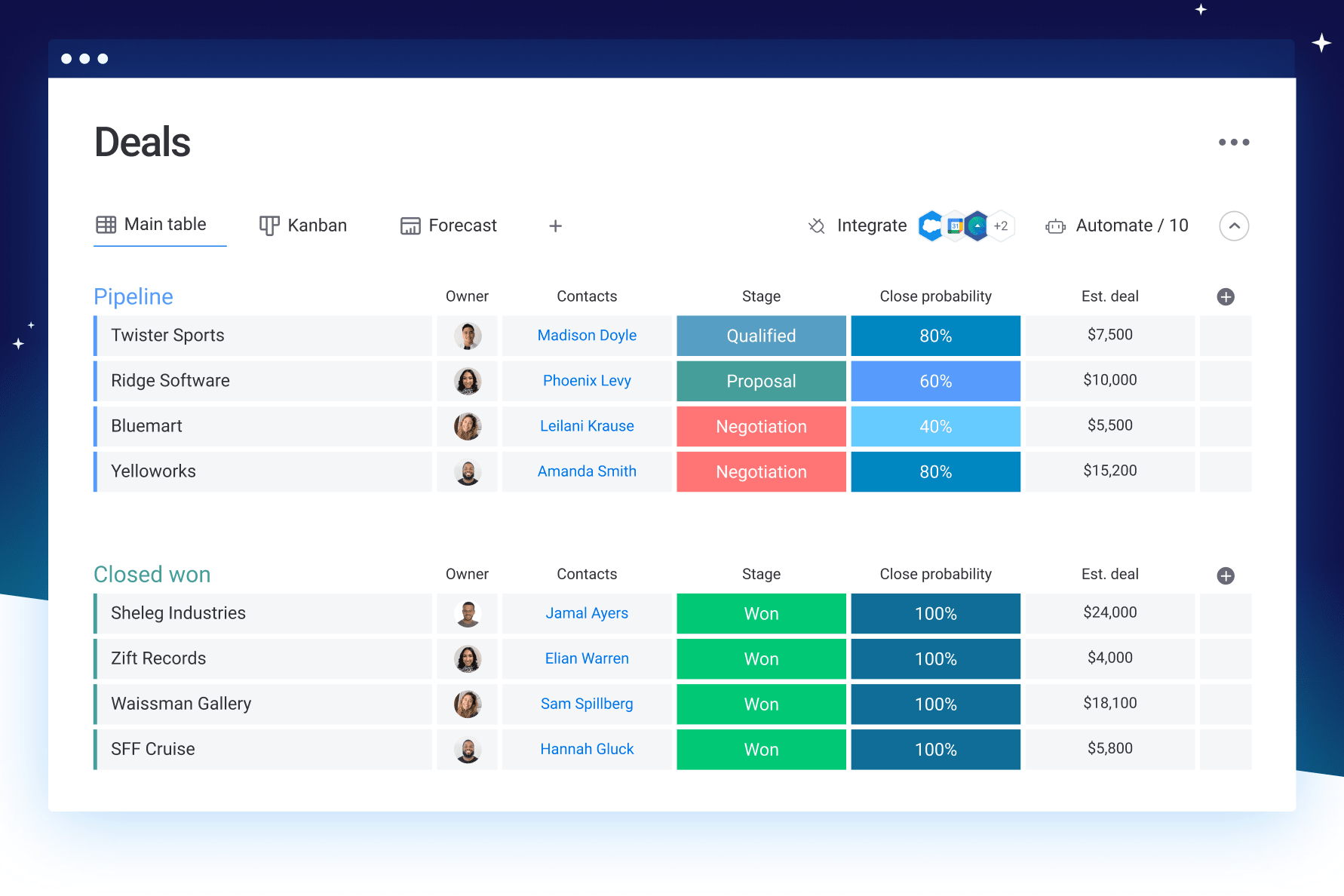
Implementing a CRM system in manufacturing firms can significantly enhance customer relationships, streamline operations, and provide valuable insights into market trends. However, the process requires careful planning and execution to ensure success. Here are essential steps and best practices for a smooth CRM implementation.
Essential Steps for CRM Implementation
To effectively implement a CRM system, manufacturers should follow a structured approach. This includes:
- Needs Assessment: Evaluate the specific needs of the organization by engaging with different departments to understand their requirements and pain points.
- Selecting the Right CRM: Choose a CRM solution that aligns with your manufacturing processes and integrates seamlessly with existing systems, such as ERP or supply chain management software.
- Data Migration: Prepare for data migration by cleaning and organizing existing customer data to ensure accuracy and completeness in the new system.
- System Customization: Customize the CRM to meet unique operational needs, such as managing inventory levels and tracking production schedules in relation to customer orders.
- Testing: Conduct thorough testing of the system to identify and rectify any issues before going live, ensuring all functionalities perform as expected.
Best Practices for Training and User Adoption
Ensuring that staff are proficient and comfortable using the CRM system is crucial for its success. Effective training and user adoption strategies include:
- Comprehensive Training Programs: Develop tailored training sessions that cater to the diverse skill levels within the organization, incorporating both theoretical and practical components.
- Ongoing Support: Provide continuous support through dedicated help desks or internal mentors who can assist users as they navigate the new system.
- User-Friendly Interface: Opt for a CRM with an intuitive interface that minimizes the learning curve, making it easier for users to adopt the system.
- Incentives for Use: Encourage staff to engage with the system by offering incentives or recognition for consistent and effective usage, fostering a culture of CRM-centric operations.
- Feedback Mechanism: Establish channels for users to provide feedback on the CRM experience, allowing for iterative improvements and increased satisfaction.
Effective CRM implementation transforms customer relationships, leading to increased loyalty and revenue growth.
Case studies of successful CRM adoption in manufacturing companies
In the competitive landscape of manufacturing, adopting a robust Customer Relationship Management (CRM) system can be a game-changer. Several manufacturing firms have embraced CRM technology, leading not only to improved customer relationships but also to significant operational efficiencies. This segment highlights notable examples of CRM success stories in manufacturing and the key factors that contributed to their triumphs.
Examples of Successful CRM Implementation
Several manufacturing companies have successfully implemented CRM systems, yielding impressive results that can serve as valuable lessons for others in the industry. Below are some notable instances:
- Siemens: Siemens, as a global electronic and electrical engineering company, adopted CRM to streamline its customer interactions and enhance its service offerings. By integrating Salesforce, Siemens improved its customer service response time by 30%, leading to increased customer satisfaction and retention.
- Honeywell: Honeywell implemented a CRM system that provided a unified platform for managing customer engagement across multiple channels. As a result, they witnessed a 20% increase in sales productivity and a significant reduction in the sales cycle, thanks to better insights into customer preferences and behavior.
- Rockwell Automation: Rockwell Automation utilized a CRM solution that allowed real-time data access across its sales and customer service teams. This integration led to a 15% increase in upselling opportunities and improved account management efficiency, reinforcing their customer relationships.
The successes of these companies can be attributed to several key factors that others in the manufacturing sector can learn from.
Factors Contributing to Successful CRM Adoption
The successful implementation of CRM in manufacturing companies often hinges on a few critical elements. These include:
- Leadership Buy-in: Strong leadership support is crucial. Companies that prioritize CRM initiatives at the executive level tend to allocate necessary resources and foster a culture that embraces change.
- Comprehensive Training: Effective training programs ensure that employees understand the CRM system’s capabilities and how to leverage them. This leads to higher adoption rates and more effective use of the system.
- Data Integrity: Maintaining accurate and up-to-date customer data is essential for CRM success. Organizations that invest in data management practices see better outcomes in customer insights and decision-making.
- Customization and Scalability: Customizing the CRM to fit specific business needs allows manufacturers to optimize workflows and scale the system as the company grows.
By examining the successful cases of Siemens, Honeywell, and Rockwell Automation, manufacturing companies can glean insights into effective CRM strategies and the importance of fostering a customer-centric approach in their operations. The integration of CRM systems has proven to be a pivotal step toward achieving operational excellence and sustained growth in the manufacturing sector.