SaaS CRM platform is revolutionizing how businesses manage customer relationships by offering an accessible and flexible solution tailored to their needs.
With core features designed to streamline operations, enhance user experience, and integrate seamlessly with existing business tools, these platforms provide invaluable support for small businesses aiming to grow. From analytics that inform strategic decisions to robust security measures ensuring data safety, a SaaS CRM platform represents a modern approach to customer relationship management, making it an essential consideration for today’s entrepreneurs.
Explore the core features of a SaaS CRM platform.
A Software as a Service (SaaS) Customer Relationship Management (CRM) platform is designed to streamline and enhance the way businesses manage their customer relationships. By leveraging the cloud, these platforms provide a suite of functionalities that can significantly improve sales processes, customer support, and overall operational efficiency. Understanding the essential features that define these platforms is crucial for any business looking to optimize customer interactions and drive growth.The core features of a SaaS CRM platform are instrumental in transforming how businesses engage with their customers.
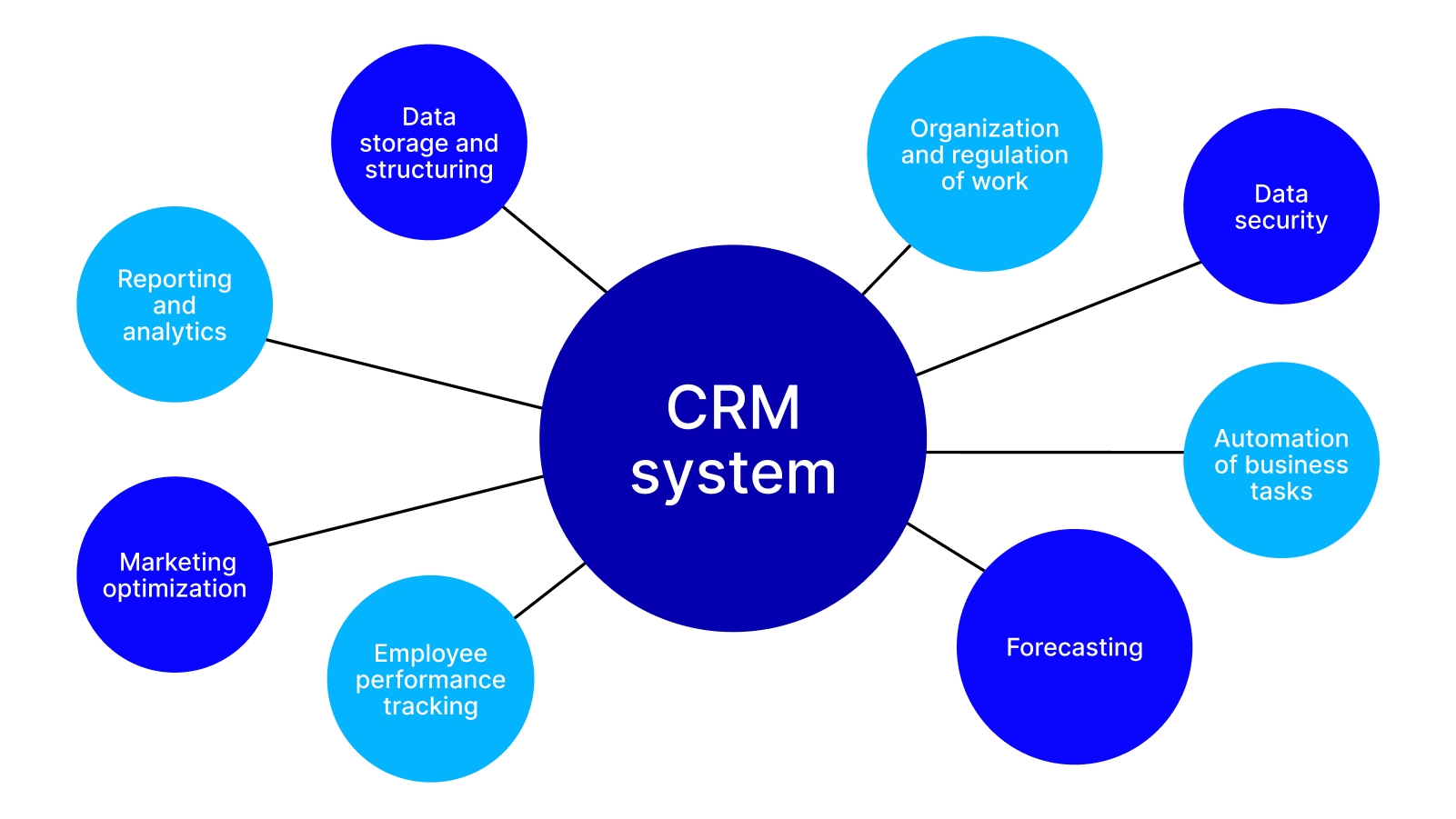
These features not only help in managing contacts but also enhance the ability to analyze customer data, track interactions, and facilitate better communication across teams. Here are some of the essential features that are typically found in SaaS CRM solutions:
Contact Management
Effective contact management is the cornerstone of any successful CRM system. This feature allows businesses to store, organize, and access customer information in a centralized manner, making it easier for teams to collaborate and track interactions. For instance, platforms like Salesforce or HubSpot allow users to segment contacts based on various criteria, such as purchase history or engagement level, enabling tailored communication strategies.
Sales Automation
Sales automation tools streamline the sales process, helping teams to focus on high-priority tasks rather than mundane administrative duties. These tools can automate repetitive tasks such as follow-up emails, lead assignments, and activity logging. For example, using automation features in Zoho CRM can lead to a reduction in time spent on administrative tasks, allowing sales representatives to spend more time engaging with potential customers.
Analytics and Reporting
Analytics and reporting capabilities provide businesses with valuable insights into customer behavior and sales performance, which are critical for informed decision-making. By utilizing data visualization tools within CRM platforms like Microsoft Dynamics 365, companies can track key performance indicators (KPIs) such as conversion rates and customer retention rates. These insights help identify trends, enabling businesses to adapt their strategies proactively.
Integration Capabilities
The ability to integrate with other software systems is a vital feature that enhances a SaaS CRM platform’s functionality. Integration with marketing automation tools, e-commerce platforms, and accounting systems allows for seamless data flow between departments. For example, integrating CRM with an email marketing platform can provide a holistic view of customer interactions, leading to more personalized marketing efforts.
User Experience Design
The significance of user experience (UX) in SaaS CRM platforms cannot be overstated. A well-designed interface facilitates ease of use, ensuring that all team members can efficiently navigate the system regardless of their technical proficiency. User-friendly designs in platforms such as Pipedrive minimize the learning curve and help users focus on utilizing the features effectively, rather than struggling with complex navigation.
Mobile Accessibility
In today’s fast-paced business environment, mobile accessibility is essential for CRM software. This feature allows users to access critical customer information and perform tasks on-the-go, ensuring that they remain productive outside of the office. For instance, mobile applications provided by CRM platforms like Freshsales enable sales teams to update leads and manage tasks from anywhere, fostering greater responsiveness and flexibility.
“User experience in CRM platforms is essential for maximizing engagement and ensuring that customer interactions are smooth and effective.”
Discuss the advantages of using a SaaS CRM platform for small businesses.
In today’s fast-paced business environment, small businesses face unique challenges in managing customer relationships effectively. A Software as a Service (SaaS) Customer Relationship Management (CRM) platform can provide a multitude of advantages over traditional CRM systems, empowering these businesses to thrive without the burdens of complex infrastructure or high costs.One of the most significant advantages of SaaS CRM is its cost-effectiveness.
Traditional CRM systems often require hefty upfront investments in hardware and software licenses, along with ongoing maintenance costs. In contrast, SaaS solutions operate on a subscription basis, enabling small businesses to pay for only what they need while avoiding large capital expenditures. This pricing model not only makes it easier for small companies to budget, but it also minimizes financial risk, allowing them to allocate resources more effectively.Furthermore, SaaS CRM platforms are inherently scalable, catering to the evolving needs of growing businesses.
As a small business expands, its customer management requirements will likely increase, necessitating additional features or user licenses. With SaaS solutions, businesses can easily upgrade their plans or add functionalities as needed without the hassle of installing additional hardware or software. This flexibility helps small businesses adapt quickly to changing market demands, ensuring they remain competitive.
Examples of small businesses implementing SaaS CRM platforms
Numerous small businesses have successfully adopted SaaS CRM systems, showcasing the benefits firsthand. For instance, a local fitness studio implemented a SaaS CRM to manage member sign-ups and communication more effectively. By utilizing features such as automated email reminders and membership tracking, the studio was able to enhance customer engagement and increase retention rates.Another example is a boutique marketing agency that used a SaaS CRM to streamline client interactions and project management.
The agency found that centralizing client data in a cloud-based system improved collaboration among team members, enabling them to deliver projects more efficiently.
“Small businesses leveraging SaaS CRM platforms often experience enhanced customer satisfaction, streamlined processes, and improved sales management.”
These examples illustrate how SaaS CRM platforms not only help small businesses save costs but also empower them to scale and adapt in an increasingly competitive market. By embracing modern technology, these businesses have transformed their customer relations and operational efficiency, paving the way for growth and success.
Examine the integration capabilities of SaaS CRM platforms with other business tools.
SaaS CRM platforms have revolutionized the way businesses manage customer relationships, providing flexibility, scalability, and accessibility. One of the most significant advantages of these platforms is their ability to integrate seamlessly with various business tools. These integrations enhance functionality, streamline workflows, and ultimately lead to better data management and productivity.Seamless integration of SaaS CRM with other business tools allows organizations to centralize their data, ensuring that information flows freely among different departments.
This centralized approach not only reduces the risk of errors and duplicate data entry but also facilitates collaborative work, enabling teams to make informed decisions based on real-time data. By connecting with various tools, a SaaS CRM can enhance customer service, improve marketing efforts, and streamline sales processes.
Key Integrations That Enhance Functionality
Integrating a SaaS CRM platform with other tools can significantly enhance its functionality. Some of the key integrations to consider include:
- Email Marketing Tools: Integrating with platforms like Mailchimp or Constant Contact allows businesses to sync their contact lists and track the performance of marketing campaigns directly through the CRM.
- Project Management Software: Integration with tools like Trello or Asana helps teams manage tasks more efficiently by linking customer information with project timelines and deliverables.
- Accounting Software: Connecting with solutions like QuickBooks or Xero enables financial data to flow seamlessly, making invoicing and financial reporting easier and more accurate.
- Social Media Platforms: Integrations with social media tools facilitate the tracking of customer interactions and insights from social channels, enhancing customer engagement strategies.
For organizations, these integrations can lead to improved workflows, allowing teams to focus on higher-value tasks rather than manual data entry.
Impact of Seamless Integration on Overall Productivity and Data Management
The impact of seamless integration on productivity and data management is profound. When a SaaS CRM is integrated with other business tools, it creates a unified ecosystem that enhances communication and collaboration among teams.
“Seamless integration not only boosts efficiency but also empowers teams to leverage insights from multiple sources for informed decision-making.”
The advantages of such integrations include:
- Increased Efficiency: Automated data synchronization reduces the time spent on manual updates and data entry.
- Improved Data Accuracy: With all systems working together, the likelihood of errors from duplicate entries decreases.
- Real-Time Access to Information: Teams can access up-to-date information, leading to quicker response times and better customer service.
- Enhanced Reporting Capabilities: Integration allows businesses to generate comprehensive reports by pulling data from multiple sources, aiding in strategic planning.
Comparison of Integration Options in Different SaaS CRM Solutions
Understanding the integration capabilities across various SaaS CRM platforms can aid businesses in selecting the right solution for their needs. Below is a comparison table of popular SaaS CRMs and their integration options:
| CRM Platform | Email Marketing | Project Management | Accounting | Social Media |
|---|---|---|---|---|
| Salesforce | Mailchimp, Constant Contact | Trello, Asana | QuickBooks, Xero | Facebook, Twitter |
| HubSpot | Mailchimp, SendGrid | Monday.com, Asana | FreshBooks, QuickBooks | LinkedIn, Instagram |
| Zoho CRM | Mailchimp, Zoho Campaigns | Wrike, ClickUp | Zoho Books, QuickBooks | Twitter, Facebook |
| Pipedrive | Mailchimp, ActiveCampaign | Basecamp, Trello | Xero, QuickBooks | Facebook, LinkedIn |
This comparison illustrates that while many CRM platforms offer similar integration options, the specific combinations can vary, allowing businesses to choose a platform that aligns best with their operational needs.
Analyze the security measures inherent in SaaS CRM platforms.
In today’s data-driven world, data security is of utmost priority for businesses utilizing Software as a Service (SaaS) Customer Relationship Management (CRM) platforms. As organizations increasingly migrate their operations to the cloud, ensuring the protection of sensitive customer information is essential not only for compliance but also for maintaining trust and credibility with clients.Leading SaaS CRM providers adopt numerous security practices and protocols to safeguard data.
These measures ensure that customer information is protected from unauthorized access and breaches, which can result in financial loss and reputational damage. A multi-layered security approach is commonly employed, incorporating various strategies to cover all potential vulnerabilities.
Common security practices and protocols
Understanding the security measures implemented by SaaS CRM platforms helps businesses evaluate their options effectively. Some key practices include:
- Data Encryption: Data is encrypted both in transit and at rest, which ensures that even if unauthorized parties gain access to data, they cannot read it without the encryption keys.
- Multi-Factor Authentication (MFA): MFA adds an extra layer of security by requiring users to provide two or more verification factors to gain access to their accounts, significantly reducing the risk of unauthorized access.
- Regular Security Audits: Leading CRM providers conduct regular security assessments and audits to identify and mitigate vulnerabilities, ensuring that their systems are up-to-date against potential threats.
- Access Control: Role-based access controls are implemented to restrict data access based on user roles, limiting the exposure of sensitive information to only those who need it.
- Real-time Monitoring: Continuous monitoring for suspicious activity helps in the early detection of potential security breaches, allowing for immediate response and mitigation.
Compliance standards adherence
SaaS CRM platforms typically adhere to various compliance standards, which are crucial for providing a framework that ensures data protection and privacy. These standards include:
- General Data Protection Regulation (GDPR): This comprehensive regulation mandates strict data protection and privacy measures for individuals within the European Union, influencing global standards for how companies handle personal data.
- Health Insurance Portability and Accountability Act (HIPAA): For CRM platforms dealing with health-related information, adherence to HIPAA ensures that sensitive patient data is protected, maintaining confidentiality and privacy.
- Payment Card Industry Data Security Standard (PCI DSS): This standard is essential for any platform managing payment information, ensuring that all cardholder data is processed securely.
- Service Organization Control (SOC) Reports: Many SaaS providers obtain SOC 2 compliance, which evaluates their data security practices and provides assurance to clients about the integrity of their systems.
Each of these compliance standards plays a critical role in establishing trust and mitigating the risk of fines or legal issues for businesses. By adhering to these regulations, SaaS CRM platforms demonstrate their commitment to security and responsible data management, fostering a safer environment for organizations to operate in.
Detail the role of customer support in the success of a SaaS CRM platform.

Effective customer support is pivotal for the success of a SaaS CRM platform. It can significantly impact user satisfaction, driving long-term retention and fostering brand loyalty. Users often view customer support as a reflection of the overall quality of the service provided. When users encounter challenges, timely and knowledgeable assistance can make all the difference in their experience, leading to increased trust and a stronger relationship with the brand.Customer support plays a crucial role in enhancing user satisfaction and retention rates.
When customers receive prompt assistance and their issues are resolved effectively, they are more likely to continue using the platform and recommend it to others. A study by HubSpot revealed that 93% of customers are likely to make repeat purchases with companies that offer excellent customer service. This highlights the direct correlation between effective support and customer loyalty, critical for SaaS businesses whose success largely relies on recurring revenue.
Support channels offered by various SaaS CRM providers
Different SaaS CRM providers offer a variety of support channels to cater to user preferences and needs. The availability of multiple channels ensures that users can reach out for help in the way that works best for them, enhancing overall satisfaction. Common support channels include:
- Email Support: A widely used channel that allows users to send inquiries or issues directly to customer support teams, typically resulting in a response within hours or days.
- Live Chat: Many SaaS CRM platforms offer real-time chat support, allowing users to get immediate assistance while navigating the platform.
- Phone Support: Some providers include telephone support for urgent issues, enabling users to speak directly with a support representative.
- Knowledge Base: An extensive repository of articles, FAQs, and tutorials that users can access to find solutions independently.
- Community Forums: These platforms allow users to share tips and experiences, providing a collaborative space for problem-solving.
The variety of support channels allows SaaS CRM providers to meet diverse user needs and ensure that assistance is readily available.
Importance of training and resources for platform utilization
Training and resources are vital in empowering users to maximize their experience with the CRM platform. Comprehensive training programs help users understand the features and functionalities, ensuring they can utilize the platform effectively. Resources such as webinars, tutorials, and documentation provide ongoing support beyond initial setup.Promoting user education can lead to increased engagement and a deeper understanding of the platform.
As users become more proficient in utilizing CRM tools, they can better leverage data for decision-making and enhance their overall productivity. Companies like Salesforce offer extensive training programs through their Trailhead learning platform, which has been instrumental in helping users develop their skills and fully exploit the capabilities of the CRM system.
“Investing in user training not only improves satisfaction but also boosts the platform’s overall effectiveness.”
By offering a robust suite of training resources, SaaS CRM providers can cultivate a knowledgeable user base that maximizes the platform’s potential, leading to higher satisfaction and retention rates.
Illustrate the impact of data analytics in SaaS CRM platforms.

Data analytics plays a crucial role in enhancing the functionality and effectiveness of SaaS CRM platforms. By leveraging data, businesses can gain valuable insights into customer behavior, streamline processes, and make informed decisions that foster better customer relationships. The integration of analytics into CRM systems empowers organizations to not only track performance metrics but also predict future trends, ultimately leading to more strategic and targeted interactions with clients.Data analytics in SaaS CRM platforms drives decision-making through the analysis of vast amounts of customer data.
Companies can identify patterns and trends that reveal customer preferences, enabling them to tailor their offerings and communications. This approach enhances customer relationships by ensuring that interactions are not only personalized but also relevant.
Analytical tools and their benefits
SaaS CRM systems offer a variety of analytical tools designed to extract meaningful insights from data. These tools provide users with the capabilities to analyze customer interactions, sales performance, and market trends. The following are key analytical tools commonly found in SaaS CRM platforms:
- Customer Segmentation: This tool allows businesses to categorize customers based on various criteria such as demographics, purchasing behavior, and engagement levels. By understanding different segments, companies can tailor their marketing strategies effectively.
- Sales Forecasting: Utilizing historical sales data, this tool predicts future sales trends. It helps businesses allocate resources efficiently and prepare for potential fluctuations in demand.
- Churn Analysis: This analytical feature identifies customers at risk of leaving based on usage patterns and feedback. By addressing the factors leading to churn, companies can enhance retention strategies.
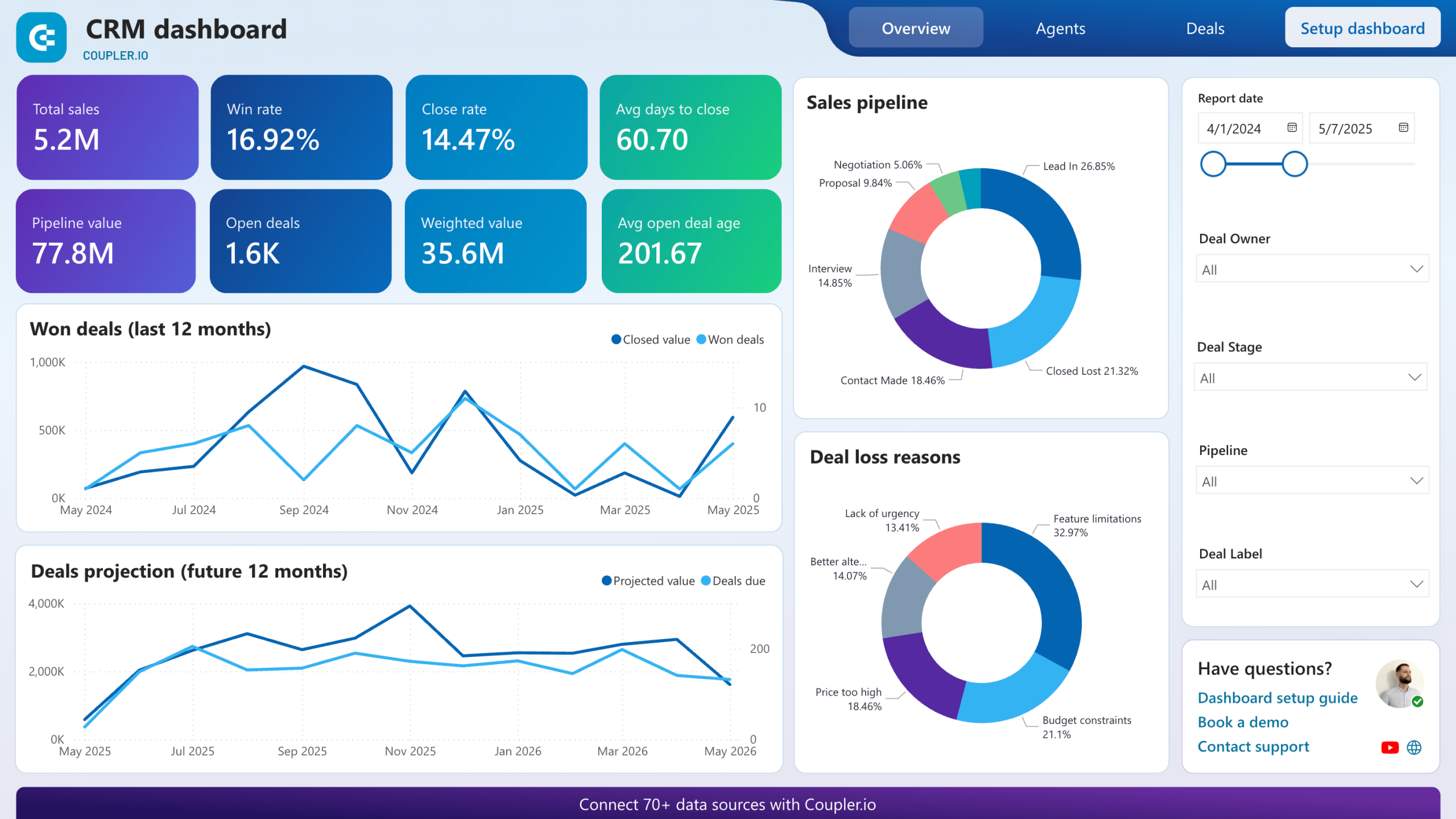
- Performance Dashboards: These visual tools consolidate key metrics and KPIs, providing a quick snapshot of business performance. Dashboards enhance visibility and enable real-time monitoring of progress.
The importance of data visualization in analytics cannot be overstated. Effective data visualization transforms complex datasets into easy-to-understand graphical representations, making it simpler for users to grasp insights quickly. This accessibility is vital for driving action based on analytics. Visualizations like charts, graphs, and heat maps help illustrate trends and anomalies, allowing users to make informed decisions without needing advanced data analysis skills.
“Data visualization bridges the gap between data and decision-making, simplifying complex information into actionable insights.”
Ultimately, the integration of data analytics within SaaS CRM platforms significantly enhances decision-making processes and deepens customer relationships. The tools and visualizations available create a clearer understanding of data, empowering users to act proactively and strategically.
Compare popular SaaS CRM platforms available in the market.

In today’s business landscape, selecting the right SaaS CRM platform is crucial for enhancing customer relationships and streamlining operations. Various CRM solutions offer unique features and benefits that can cater to different business needs. Understanding the strengths and weaknesses of these platforms helps businesses make informed choices that align with their objectives.A comparative analysis of popular SaaS CRM systems reveals valuable insights into their capabilities, pricing structures, and user experiences.
This helps businesses determine which platform is best suited to their operational requirements.
Strengths and weaknesses of top SaaS CRM systems
Each SaaS CRM platform comes with its own set of advantages and drawbacks. Evaluating these aspects can significantly influence a business’s decision-making process. Here’s a look at some of the leading CRM platforms available:
- Salesforce:
Salesforce is renowned for its extensive customization options and robust ecosystem.
Strengths: Highly customizable, excellent integration capabilities, large community support.
Weaknesses: Can be complex for new users, higher pricing compared to some competitors. - HubSpot CRM:
HubSpot CRM offers a free tier, making it accessible for small businesses.
Strengths: User-friendly interface, free version available, strong inbound marketing tools.
Weaknesses: Limited advanced features in the free version, add-ons can become costly. - Zoho CRM:
Zoho CRM is known for its affordability and comprehensive feature set.
Strengths: Cost-effective, rich feature set, strong automation options.
Weaknesses: Can be overwhelming due to the number of features, customer support can be hit or miss. - Pipedrive:
Pipedrive focuses on sales pipeline management, making it ideal for sales teams.
Strengths: Visual sales pipeline, easy to use, great for small to medium businesses.
Weaknesses: Limited marketing features, lacks advanced reporting tools. - Microsoft Dynamics 365:
Microsoft Dynamics 365 integrates seamlessly with other Microsoft products.
Strengths: Robust analytics, strong integration with Microsoft products, customizable.
Weaknesses: Steep learning curve, can be costly for smaller businesses.
Comparison chart of features, pricing, and user ratings
A visual representation of the differences between these platforms can aid in the selection process. Below is a comparison chart showcasing key features, pricing, and user ratings:
| Platform | Key Features | Pricing | User Rating |
|---|---|---|---|
| Salesforce | Customization, Integration, Analytics | Starts at $25/user/month | 4.4/5 |
| HubSpot CRM | Free version, Inbound Marketing, Reporting | Free, paid options start at $50/user/month | 4.5/5 |
| Zoho CRM | Automation, Analytics, AI features | Starts at $12/user/month | 4.2/5 |
| Pipedrive | Sales Pipeline, Activity Reminders, Reporting | Starts at $15/user/month | 4.5/5 |
| Microsoft Dynamics 365 | Integration, AI features, Customization | Starts at $65/user/month | 4.3/5 |
Factors in selecting a SaaS CRM platform
When choosing a SaaS CRM platform, businesses should consider several critical factors to ensure their selection aligns with their specific needs and goals:
- Business size and type: Determine whether the CRM can effectively scale with your business.
- Budget constraints: Assess the total cost of ownership, including potential upgrade costs.
- Feature requirements: Identify essential features that will improve productivity and customer relationships.
- User experience: Evaluate the ease of use and training resources available.
- Integration capabilities: Check for compatibility with existing tools and systems.
- Customer support: Look into the availability and quality of support services.
Understanding these factors helps businesses make well-informed decisions, ensuring the selected CRM platform provides maximum value and meets their unique requirements.
Investigate the future trends in SaaS CRM technology.
As businesses continue to evolve, so does the technology that supports them. SaaS CRM platforms are at the forefront of this evolution, adapting to new challenges and opportunities. With the rapid pace of technological advancement, it’s essential to explore the future trends that will shape these platforms. The integration of emerging technologies like artificial intelligence (AI) and machine learning (ML) is set to redefine user experiences and operational efficiencies in CRM systems.
Emerging technologies influencing SaaS CRM platforms
Several key technologies are emerging that could significantly influence the development of SaaS CRM platforms. These technologies are aimed at enhancing customer engagement, improving data analytics, and streamlining processes. Some of the notable technologies include:
- Artificial Intelligence (AI): AI is becoming integral to CRM systems, enabling advanced data analysis and decision-making. It can analyze customer behaviors, predict trends, and provide personalized experiences.
- Machine Learning (ML): ML algorithms continuously learn from data, improving the accuracy of customer insights over time. This adaptive learning helps businesses anticipate customer needs and tailor their services accordingly.
- Natural Language Processing (NLP): NLP allows CRMs to understand and respond to customer inquiries in a more human-like manner. This enhances the user experience by providing more accurate and contextually relevant responses.
- Blockchain Technology: Blockchain can enhance data security and transparency in customer transactions, making it a valuable asset for trust-building in CRM systems.
Integration of AI and machine learning in CRM systems
The integration of AI and machine learning into CRM systems is revolutionizing how businesses manage customer relationships. These technologies are being utilized to automate repetitive tasks, analyze customer data, and deliver actionable insights. They contribute to an improved user experience by enabling personalized communication and proactive service.For instance, AI-powered chatbots can assist customers at any time, handling inquiries and resolving issues without human intervention.
This not only reduces workload for customer service representatives but also ensures customers receive instant support. Additionally, machine learning models can analyze historical data to identify patterns, helping businesses make informed decisions.
“AI and machine learning are not just tools; they’re the future of customer relationship management, enabling businesses to be more responsive and customer-centric.”
Potential shifts in user expectations
As technology advances, user expectations are evolving. Customers are increasingly seeking seamless, personalized experiences when interacting with businesses. This shift in expectations is driving providers to adapt their SaaS CRM offerings to meet the demands of a more discerning customer base.Some notable shifts include:
- Demand for personalization: Customers expect tailored experiences based on their preferences and behaviors. Providers are responding by integrating advanced analytics to personalize marketing efforts and communication.
- Increased emphasis on real-time data: Users expect immediate access to information. This has led to the development of features that provide real-time analytics and reporting to help businesses make quick decisions.
- Focus on user-friendly interfaces: As technology becomes more complex, there’s a growing need for intuitive interfaces that simplify user interactions with CRM systems. This includes mobile-friendly designs and easy-to-navigate dashboards.