crm for financial advisors is not just a buzzword; it represents a vital tool that enhances the way financial advisors manage client relationships and streamline their operations. As the financial advisory landscape becomes increasingly complex, having an efficient system to track interactions, preferences, and financial goals is essential for delivering exceptional service.
CRM systems specifically designed for financial advisors address unique industry needs, providing features that enhance communication, improve client satisfaction, and ultimately lead to better client retention. With a tailored CRM solution, advisors can not only keep track of their client interactions but also analyze data to drive meaningful insights and strategies.
The Importance of CRM Systems for Financial Advisors
In today’s competitive financial advisory landscape, staying connected with clients and managing relationships effectively is paramount. Customer Relationship Management (CRM) systems serve as powerful tools that streamline operations, enhance communication, and ultimately boost client satisfaction. By employing a CRM, financial advisors can focus more on building relationships and less on administrative tasks.CRM systems play a critical role in managing client relationships and enhancing business efficiency in the financial advisory sector.
They offer tailored solutions that cater to the unique needs of financial advisors, such as tracking client interactions, managing appointments, and storing vital client information in a centralized database. This leads to improved organization and the ability to deliver personalized services to clients, which is essential in an industry where trust and reliability are key.
Addressing Specific Needs of Financial Advisors
Financial advisors often face unique challenges that a CRM system can effectively address. These include the need for efficient communication, data management, and relationship building. The following points illustrate how CRM systems meet these specific needs:
- Centralized Client Information: CRMs provide a single platform where all client data, including contact details, financial documents, and investment preferences, can be stored and accessed easily. This ensures that advisors are always equipped with the latest information to make informed decisions.
- Automated Reminders and Follow-ups: With a CRM, advisors can set automated reminders for important client interactions, such as follow-up calls or meetings, ensuring that no client feels neglected. This proactive approach enhances client engagement and satisfaction.
- Customizable Communication Tools: Many CRM platforms allow for customized communication strategies, such as personalized emails or newsletters tailored to client interests. This enhances the advisor’s ability to connect meaningfully with clients.
- Performance Tracking and Reporting: CRMs offer tools for tracking engagement metrics and generating reports on client interactions. This helps advisors assess their performance and adjust their strategies to better meet client needs.
The implementation of CRM systems has shown to significantly improve communication and client satisfaction. For example, a financial advisory firm that adopted a CRM reported a 30% increase in client retention rates within the first year. This improvement can be attributed to enhanced communication, timely follow-ups, and a personalized approach to client service. Furthermore, automated systems reduce the likelihood of human error, ensuring that clients receive accurate information and timely responses.In summary, the integration of a CRM system in financial advisory practices not only streamlines operations but also fosters stronger, more meaningful relationships with clients.
By addressing specific needs and enhancing communication strategies, CRMs serve as invaluable assets in the financial advisory sector.
Features to Look for in a CRM Tailored for Financial Advisors
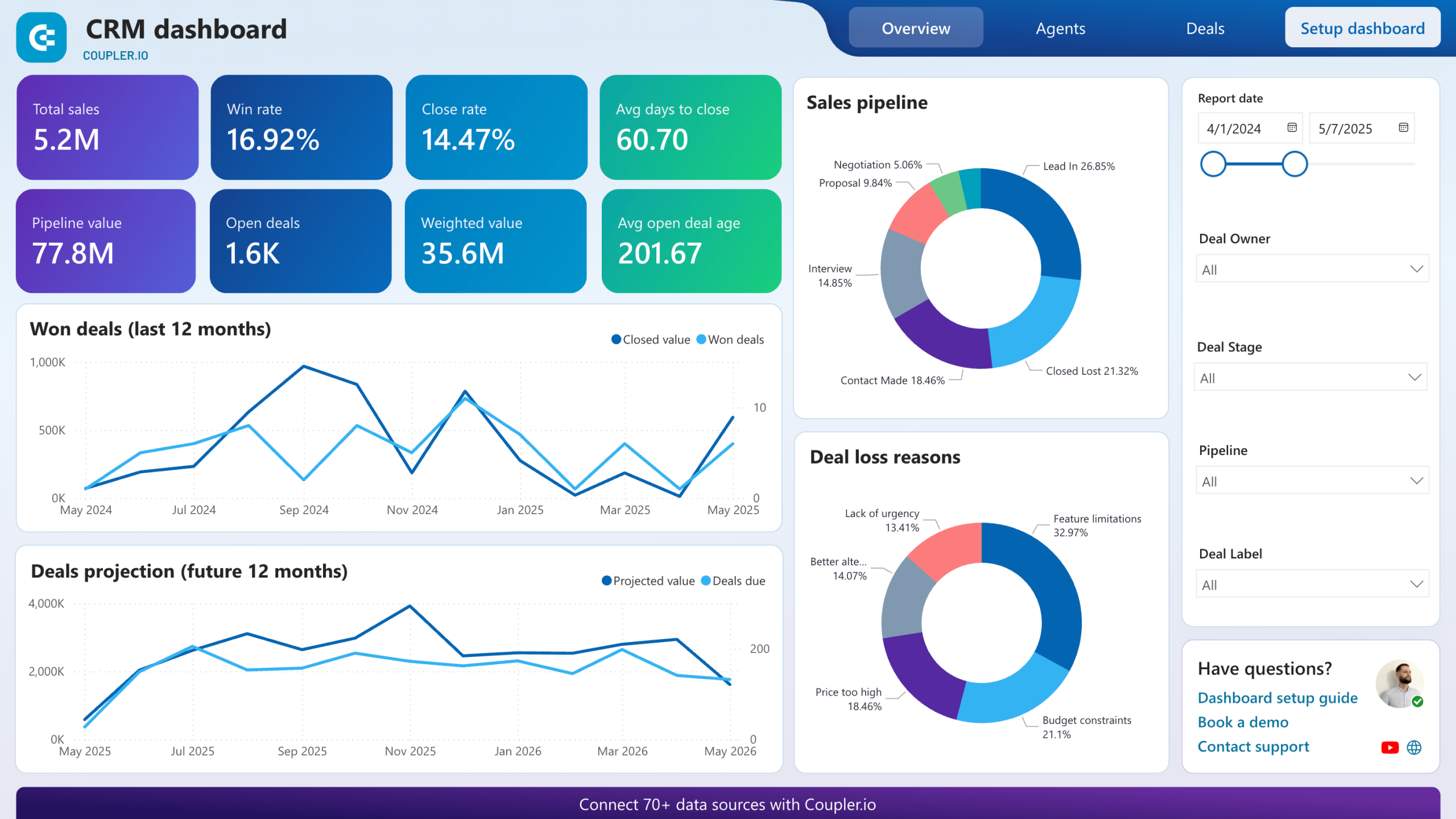
In the fast-paced world of finance, having a robust Customer Relationship Management (CRM) system can significantly enhance the way financial advisors operate. A tailored CRM not only streamlines processes but also improves client relationships and service offerings. Choosing the right features is crucial for maximizing the effectiveness of a CRM system, especially in a domain where client trust and data privacy are paramount.
One of the key aspects to consider when selecting a CRM for financial advisors is the specific features that cater to the needs of the financial services industry. These features can substantially impact daily operations and overall client satisfaction.
Essential Features for Financial Advisors
In this section, we will Artikel several critical features that should be prioritized in a CRM designed for financial advisors. These capabilities can help advisors manage their client relationships effectively while ensuring compliance and security.
- Client Management and Segmentation: A good CRM should allow advisors to manage client data seamlessly while enabling segmentation based on various criteria such as financial goals, risk tolerance, or life stages. This aids in tailoring communications and services.
- Automated Workflows: Automation features help streamline repetitive tasks, such as scheduling meetings or sending follow-up emails, ensuring that no client is overlooked and that operational efficiency is maintained.
- Comprehensive Reporting and Analytics: A robust CRM should provide tools for generating detailed reports and analytics on client interactions, portfolio performance, and overall business metrics, allowing advisors to make informed decisions.
- Compliance Management: Financial advisors must adhere to strict regulations. A CRM should incorporate compliance features, such as tracking interactions and ensuring that all communications are recorded and secure.
- Task and Appointment Tracking: Keeping track of important deadlines and appointments is vital. Built-in calendar and task management functions help advisors stay organized and responsive.
Customization Options for Usability Enhancement
While essential features provide a solid foundation, customization options play a vital role in ensuring that the CRM meets the specific needs of individual financial advisors or firms. Customized settings can enhance usability and improve the overall client experience.
Several customization options are worth considering:
- Personalized Dashboards: Advisors should be able to customize their dashboards to display the information that matters most to them, such as client performance metrics, upcoming tasks, and alerts for important events.
- Custom Fields and Tags: The ability to create custom fields and tagging options allows advisors to tailor the data captured in the CRM, ensuring it aligns with their specific practices and client categorization strategies.
- Adjustable User Permissions: Customizable user permissions can help maintain data security while providing access tailored to different team members based on their roles and responsibilities.
Integration Capabilities with Financial Planning Tools
Another critical factor for financial advisors when choosing a CRM is its ability to integrate with other financial planning tools and software. This capability ensures that data flows seamlessly between systems, reducing errors and improving efficiency.
Key integration capabilities to look for include:
- Integration with Portfolio Management Systems: A CRM should easily integrate with portfolio management software, allowing advisors to access real-time investment performance and manage client portfolios effectively.
- Financial Planning Software Compatibility: Compatibility with popular financial planning tools enables advisors to provide comprehensive client solutions without the hassle of switching between different systems.
- Data Import/Export Features: The ability to import and export data quickly between platforms is essential for maintaining accurate records and ensuring smooth transitions during migrations.
- Third-party Application Integrations: A CRM that supports integrations with other third-party applications, such as document management systems or marketing tools, can significantly enhance overall business operations.
The Benefits of Implementing a CRM for Client Management
Implementing a Customer Relationship Management (CRM) system can significantly transform the way financial advisors manage their client relationships. By leveraging technology, these systems streamline workflows, enhance communication, and provide valuable insights that ultimately drive client satisfaction and business growth. The implementation of a CRM is not merely an upgrade; it represents a strategic approach to client management that can yield considerable advantages.A CRM system organizes client data, making it accessible and actionable.
This centralization of information allows financial advisors to track interactions, manage leads, and monitor the relationship lifecycle in an efficient manner. Moreover, the ability to generate customized reports provides an added layer of analytical power that is essential for decision-making. For advisory firms, embracing such technology translates into more effective client management strategies.
Improved Data Organization and Reporting
The impact of CRM on data organization is profound. Financial advisors benefit from a structured approach to managing client information, which includes personal details, financial goals, investment preferences, and communication history. Here are some key aspects of how CRM enhances data management:
- Centralized Database: A CRM serves as a single source of truth, ensuring that all client information is stored in one accessible location. This minimizes the risk of data loss and inconsistencies.
- Enhanced Segmentation: Advisors can categorize clients based on various parameters such as risk tolerance, investment types, or life stages, allowing for more targeted marketing efforts and personalized interactions.
- Automated Reporting: With built-in reporting tools, CRMs can automatically generate reports that provide insights into client behavior, portfolio performance, and overall firm metrics, enabling data-driven decision-making.
Client management becomes more effective with these tools, as advisors can make informed adjustments to strategies based on reliable data analysis. By having detailed insights into client needs and preferences, financial advisors can build stronger relationships and foster loyalty.
Case Studies of Successful CRM Implementation
To illustrate the effectiveness of CRM systems in financial advisory practices, consider the following hypothetical scenarios:
1. The Growth of Advisor A
Advisor A, a financial planning professional, implemented a CRM to manage her expanding client base. By utilizing the system to track client interactions and preferences, she was able to automate follow-ups and set reminders for important financial milestones, ultimately increasing her client retention rate by 30% within a year. The CRM’s reporting features allowed her to identify which services were most appealing to her clients, enabling her to tailor her offerings and enhance overall satisfaction.
2. Efficiency Boost for Firm B
Firm B, a mid-sized advisory firm, faced challenges with disorganized client data. After integrating a CRM, the firm’s partners noticed a significant reduction in time spent on administrative tasks. The system facilitated easier access to client histories and streamlined communication processes, allowing advisors to spend more time on client engagement. As a result, they reported a 25% increase in cross-selling opportunities, as advisors could better understand their clients’ holistic financial situations.These scenarios exemplify how CRM systems not only support better organization and reporting but also contribute to tangible business growth and enhanced client relationships in the financial advisory sector.
Overcoming Challenges in Adopting CRM Solutions
The journey of integrating a Customer Relationship Management (CRM) system into a financial advisory practice can often feel like navigating through a maze. While the benefits of CRM solutions are well-documented, financial advisors frequently encounter various hurdles during implementation. Understanding these challenges and preparing to tackle them is crucial for a successful transition.One of the most common obstacles financial advisors face when integrating new CRM systems is resistance to change.
Many staff members may be comfortable with existing processes, leading to reluctance in adopting new technologies. Furthermore, the complexity of some CRM systems can be overwhelming, resulting in a steep learning curve. Another significant challenge is ensuring that the selected CRM solution is aligned with the unique needs of the advisory firm, as inadequate customization can lead to inefficiencies.
Training Staff for Smooth Transition
Training is essential for a successful CRM implementation. A well-structured training program can alleviate fears and enhance confidence among staff. To effectively train personnel, consider the following strategies:
- Hands-On Workshops: Organize interactive workshops where staff can practice using the CRM in real-life scenarios. This hands-on experience is vital for fostering familiarity with the system.
- Buddy System: Pair less experienced users with tech-savvy team members. This mentorship can encourage peer learning and provide support during the transition.
- Continuous Support: Establish a support system that includes ongoing access to resources, FAQs, and user guides. Regular check-ins can also help resolve issues early on.
The importance of ongoing training cannot be overstated. With the rapid evolution of technology, continuous education will keep staff updated on new features and best practices, ensuring the CRM remains a valuable tool.
Managing Client Resistance
While the internal transition is crucial, client resistance to new CRM systems can also pose significant challenges. Clients may have concerns about data privacy, the learning curve associated with new communication methods, or simply prefer familiar channels. To mitigate these issues, consider implementing the following strategies:
- Transparent Communication: Clearly communicate the benefits of the CRM system to clients. Explain how it enhances service delivery, improves communication, and secures their information.
- Personalized Orientation: Offer personalized sessions to familiarize clients with new functionalities and processes. This approach helps clients feel more comfortable with the changes.
- Feedback Mechanism: Establish a system for clients to provide feedback on their experiences with the new CRM. This shows clients their opinions matter and can lead to adjustments that improve user satisfaction.
Incorporating these strategies helps in fostering a positive relationship with clients, ensuring they are on board with the changes and enjoy the benefits of a streamlined CRM process.
“Change is the only constant; embracing it with thorough preparation leads to success.”
Evaluating the ROI of CRM Investments for Financial Advisors
Investing in a Customer Relationship Management (CRM) solution is a significant step for financial advisors looking to enhance their client engagement and streamline their operations. Understanding the return on investment (ROI) of such systems is crucial to justify the expenditure and gauge the effectiveness of the tools deployed. This section provides a framework for measuring ROI, discusses pertinent metrics and KPIs, and compares different CRM solutions against their cost-benefit ratios.
Framework for Measuring ROI
To effectively evaluate the ROI of a CRM system, financial advisors can adopt a simple framework that encompasses both quantitative and qualitative measures. The ROI can be calculated using the formula:
ROI = (Net Profit from CRM – Cost of CRM) / Cost of CRM x 100
This approach requires a clear understanding of the net profit gained through the CRM, which can be derived from increased client retention, enhanced sales productivity, and improved client satisfaction. Here’s how to break it down:
- Identify Costs: Include subscription fees, training costs, integration expenses, and ongoing maintenance.
- Assess Benefits: Quantify gains from increased efficiency, time savings in client management, and higher client retention rates.
- Calculate Net Profit: Subtract total costs from total benefits to determine the net profit attributed to the CRM system.
Metrics and KPIs for CRM Performance
A variety of metrics and Key Performance Indicators (KPIs) can be tracked to evaluate the performance of a CRM system in a financial advisory context. It’s essential to monitor these indicators regularly to ensure the CRM is delivering value.
- Client Retention Rate: Measures the percentage of clients retained over a specific period, reflecting the effectiveness of relationship management.
- Sales Growth: Analyzes the percentage increase in sales related to CRM usage, indicating improved efficiency in closing deals.
- Lead Conversion Rate: Tracks the percentage of leads converted into clients, showcasing the CRM’s impact on the sales funnel.
- Time Spent on Administrative Tasks: Evaluates the reduction in time advisors spend on paperwork and administrative functions due to automation features in the CRM.
- Client Satisfaction Scores: Gathers feedback from clients on their experience and satisfaction levels after CRM implementation.
Comparative Analysis of CRM Solutions
When selecting a CRM solution, financial advisory firms should conduct a cost-benefit analysis to determine which option provides the best ROI. Various factors should be compared, including features, pricing, and support.
- Feature Set: Evaluate the specific functionalities offered by each CRM, such as reporting tools, automated marketing capabilities, and integration with other financial tools.
- Pricing Structure: Consider both upfront costs and recurring fees, along with the potential for scalability as the firm grows.
- Support and Training: Assess the quality of customer support and the availability of training resources to facilitate smooth adoption.
- User Adoption Rate: Look at how quickly and effectively team members adapt to using the CRM, which can greatly influence overall ROI.
By carefully evaluating these aspects, financial advisors can make informed decisions that align with their operational goals and client service strategies, ultimately leading to enhanced profitability and client satisfaction.
The Future of CRM Systems in the Financial Advisory Landscape
As the financial advisory industry evolves, so too do the tools that advisors rely on to manage client relationships and business operations. Customer Relationship Management (CRM) systems are becoming increasingly sophisticated, integrating advanced technologies that not only streamline processes but also enhance the client experience. The future of CRM systems holds exciting possibilities for financial advisors, with emerging trends promising to reshape how they interact with clients and handle data.Emerging trends in CRM technology are poised to significantly impact financial advisors.
The integration of cloud computing, mobile access, and data analytics is revolutionizing the way firms manage client information. These advancements facilitate real-time access to client data, allowing advisors to make informed decisions quickly. Moreover, the increasing focus on data privacy and compliance is shaping CRM functionalities, leading to the development of more secure systems designed to protect sensitive financial information.
Artificial Intelligence and Automation Enhancements
Artificial intelligence (AI) and automation play a crucial role in enhancing CRM functionalities for financial advisors. These technologies not only simplify routine tasks but also provide deeper insights into client behavior and preferences. By leveraging AI, advisors can predict client needs, tailor communications, and automate follow-ups, ensuring that no opportunity for engagement is missed.The benefits of AI and automation in CRM systems can be summarized as follows:
- Predictive Analytics: AI algorithms analyze historical data to forecast client behavior and potential investment opportunities, enabling advisors to proactively address client needs.
- Personalized Client Interactions: Tailored communication strategies based on client preferences and interactions enhance engagement and build stronger relationships.
- Streamlined Operations: Automation of administrative tasks such as appointment scheduling and document management allows advisors to focus more on client interactions and strategy development.
- Enhanced Reporting: AI-driven insights facilitate more accurate performance measurements and reporting, enabling advisors to present compelling narratives to clients.
“The integration of AI in CRM systems is not just about efficiency; it’s about creating a proactive advisory experience.”
To prepare for future developments in CRM systems, financial advisors should consider a few key strategies. Staying informed about technological advancements is crucial; subscribing to industry newsletters or attending conferences can help advisors remain up-to-date. Additionally, investing in training for staff to effectively utilize new CRM features ensures that the whole team is equipped to leverage technology for enhanced client service.
Advisors should also prioritize data security and compliance training, as these will be critical as regulations evolve.Investing in a flexible CRM platform that can adapt to emerging technologies will position financial advisors advantageously in the rapidly changing landscape. By embracing these trends and technologies, advisors can not only enhance their operational efficiency but also deliver exceptional value to their clients.
Best Practices for Utilizing CRM in Client Interactions
In the fast-paced world of financial advising, effective client interactions are crucial for building lasting relationships and ensuring client satisfaction. Utilizing a Customer Relationship Management (CRM) system can enhance these interactions, streamline processes, and provide insights that lead to better decision-making. This section highlights best practices financial advisors should adopt while using CRM, emphasizing the importance of data security and showcasing successful client engagement strategies.
Best Practices for CRM Usage
To maximize the benefits of CRM systems, financial advisors should implement the following best practices:
- Regularly Update Client Information: Maintaining up-to-date records ensures that interactions are personalized and relevant. This includes contact details, preferences, and any changes in financial circumstances.
- Segment Clients Effectively: Categorizing clients based on demographics, investment goals, or behavior allows for targeted communication and tailored advice. This segmentation can drive effective marketing campaigns and personalized service.
- Utilize Automation Features: Leverage automated reminders and follow-ups for appointments and key dates. Automation saves time and ensures that no client interactions fall through the cracks.
- Document Client Interactions: Log all communications and meetings in the CRM. This documentation creates a comprehensive history that can be referred to in future discussions, enhancing continuity and trust.
- Regularly Analyze CRM Data: Review reports and analytics provided by the CRM to gain insights into client behavior, engagement levels, and overall satisfaction. Adjust strategies based on these insights to improve service.
Data Security and Compliance
The importance of data security and compliance in client interactions through CRM cannot be overstated. Financial advisors handle sensitive information that is subject to strict regulations. Protecting this data is paramount to maintaining client trust and avoiding legal repercussions.
“Implementing robust security measures and adhering to compliance standards is essential for safeguarding client information and fostering trust.”
Advisors should ensure that their CRM systems are equipped with the following security features:
- Data Encryption: Encrypt sensitive data both at rest and in transit to prevent unauthorized access.
- Access Controls: Limit access to client information based on roles within the organization, ensuring that only authorized personnel can view sensitive data.
- Regular Security Audits: Conduct routine audits to identify and rectify potential vulnerabilities within the CRM system.
- Compliance Training: Provide ongoing training for all team members on data protection regulations and best practices for handling client information.
Successful Client Engagement Strategies Using CRM
Effective client engagement strategies leverage CRM capabilities to create meaningful relationships. Here are examples of how financial advisors can successfully engage clients:
- Personalized Communication: Using CRM data, advisors can send tailored newsletters, market updates, or investment insights that resonate with individual client interests.
- Client Surveys: Implement surveys through the CRM to gather feedback on services offered and areas for improvement. This proactive approach demonstrates a commitment to client satisfaction.
- Client Events: Organizing webinars or in-person seminars using CRM tools for invitations and follow-ups can strengthen relationships and position advisors as thought leaders.
- Milestone Celebrations: Recognizing significant milestones, such as birthdays or anniversaries of the first meeting, via CRM-triggered messages fosters a personal connection between advisors and clients.
By adopting these best practices in CRM utilization, financial advisors can enhance client interactions, maintain security and compliance, and implement effective engagement strategies that lead to long-term success.
Customizing CRM Solutions for Diverse Financial Advisory Needs
The financial advisory landscape is diverse, with each advisory practice serving unique client bases and specialized services. This diversity necessitates a flexible approach to Customer Relationship Management (CRM) systems. Customizing CRM features can significantly enhance operational efficiency, client satisfaction, and ultimately, business growth.Tailoring CRM systems to fit specific advisory practices allows firms to meet their unique needs and address the particular challenges faced by their client demographics.
Customization can range from adjusting user interfaces to developing specialized modules that cater to specific financial services like wealth management, retirement planning, or estate planning.
Customization Options in Leading CRM Systems
Financial advisors can leverage various customization options available in leading CRM systems. These options can enhance user experience, streamline workflows, and improve client interactions. One of the primary customization features is the ability to modify fields and layout to capture specific data relevant to the advisory practice. For example, a wealth management firm might want to track investment performance metrics, while a retirement planner may focus on client age demographics and future income needs.Additional customization options include:
- Integration with Financial Tools: Many CRM systems allow integration with financial planning software, portfolio management tools, and market research platforms. This creates a holistic view of client portfolios and improves decision-making.
- Client Segmentation: Financial advisors can customize their CRM to segment clients based on various criteria such as investment size, risk tolerance, or service needs. This enables targeted communication and service delivery.
- Automated Workflows: Custom workflows can be designed to automate routine tasks, such as follow-ups and reminders, reducing administrative burdens and enhancing client engagement.
- Personalized Dashboards: Advisors can create dashboards that display the most relevant metrics and KPIs, providing a quick overview of client accounts and performance indicators.
These customization capabilities help financial advisors tailor their CRM systems based on their specific operational needs and client expectations.
Success Stories of Customized CRM Implementations
Numerous financial advisors have effectively tailored their CRM systems to achieve significant improvements in client service and operational efficiency. For instance, a regional wealth management firm customized their CRM to include a unique client portal. This portal not only allowed clients to access their investment performance but also provided educational resources tailored to their investment profiles. As a result, client engagement increased by 40%, leading to higher satisfaction and retention rates.Another example involves a retirement planning advisor who integrated their CRM with a financial forecasting tool.
This integration allowed the advisor to generate personalized retirement plans in real-time, enhancing the advisory service and leading to a 30% increase in new client acquisitions within a year.These success stories highlight the practical benefits of customizing CRM solutions, showcasing how tailored features can directly enhance client relationships and drive business success in the competitive financial advisory industry.
Integrating CRM with Other Financial Technology Tools
Integrating Customer Relationship Management (CRM) systems with various financial technology tools is essential for financial advisors looking to enhance their service offerings and operational workflows. By connecting CRM systems with financial planning software, portfolio management tools, and other relevant technologies, advisors can create a seamless ecosystem that improves data accuracy and client engagement.The integration of CRM with financial planning software and other relevant technology tools presents numerous advantages.
These include streamlined data sharing, enhanced client insights, and improved operational efficiency. When financial advisors leverage integrated systems, they can ensure that client information is up-to-date across platforms, reducing the risk of errors and improving the overall client experience. Furthermore, having a unified view of client data allows advisors to provide more personalized services, fostering stronger client relationships.
Methods for Ensuring Seamless Integration
To effectively integrate CRM with other financial technology tools, several methods can be employed. These methods help facilitate smooth data flow and operational synchronization:
- API Connections: Utilizing Application Programming Interfaces (APIs) allows different software systems to communicate with each other seamlessly. This enables real-time data exchange between CRM and financial planning tools, ensuring that all information is consistent and current.
- Middleware Solutions: Implementing middleware can bridge the gap between incompatible systems. Middleware acts as a translator, allowing various applications to work together without needing significant changes to existing infrastructures.
- Data Import/Export Features: Many CRM and financial tools offer built-in features that allow for easy data import and export. Financial advisors can regularly export client data from their CRM into financial planning software and vice versa, maintaining an updated client view.
- Cloud-Based Solutions: Opting for cloud-based software can simplify integration, as many cloud-based services are designed to work together. This eliminates the need for extensive IT support and allows for more flexible, scalable solutions.
The implementation of these methods not only enhances data flow but also plays a critical role in improving overall operational efficiency for financial advisors. By having access to accurate and real-time information, advisors can respond promptly to client inquiries, tailor financial solutions to individual client needs, and ultimately provide a higher quality of service.
“Integrated systems empower financial advisors to focus on strategic client interactions rather than getting bogged down by administrative tasks.”
Furthermore, the use of integrated platforms allows for better reporting and analytics capabilities. Advisors can derive insights from combined data sets, identifying trends and making informed decisions to optimize their practices. For instance, analyzing client behavior and engagement patterns through integrated systems can help advisors refine their marketing strategies, leading to increased client acquisition and retention.In conclusion, the integration of CRM with other financial technology tools is a critical step for financial advisors aiming to enhance their operational efficiency, improve client service, and create a more cohesive working environment.