crm for automotive dealerships serves as a vital tool that bridges the gap between sales and customer satisfaction in a competitive automotive market. By integrating customer relationship management systems into dealership operations, businesses can streamline processes, enhance communication, and foster lasting relationships with their clients. This integration not only boosts efficiency but also positions dealerships to respond swiftly to customer needs, ultimately leading to a more satisfying purchase experience.
As we delve deeper into this topic, we’ll explore the pivotal role CRM systems play in customer retention, spotlight successful implementations, and Artikel key features that cater specifically to the unique demands of automotive dealerships. You’ll discover how effective CRM strategies can transform both sales processes and customer interactions, paving the way for a more dynamic and responsive dealership environment.
The Importance of CRM Systems in Automotive Dealerships
In the fast-paced world of automotive sales, Customer Relationship Management (CRM) systems have become a vital component for dealerships aiming to enhance their operations and foster lasting customer relationships. These systems streamline processes, improve communication, and ultimately drive sales and satisfaction. By integrating various operational elements, CRM tools empower dealerships to create tailored experiences that resonate with customers.CRM systems play a significant role in integrating dealership operations by centralizing information across departments.
Sales, service, marketing, and finance teams can access a unified database that retains customer information, transaction history, and preferences. This integration facilitates seamless communication and collaboration. For instance, when a customer expresses interest in a vehicle through an online inquiry, the CRM can automatically notify the sales team and store this interaction. Additionally, it enables dealerships to analyze customer behaviors and preferences, allowing for personalized marketing campaigns and targeted follow-ups.
Impact of CRM on Customer Retention and Satisfaction
The positive effects of CRM systems extend beyond operational efficiency; they substantially influence customer retention and satisfaction. By maintaining a detailed record of customer interactions and feedback, dealerships can address concerns proactively and tailor services to individual needs. This level of attention not only fosters loyalty but also enhances the overall customer experience. For example, a dealership implementing a CRM system may set up automated reminders for scheduled maintenance once a customer purchases a vehicle.
This approach ensures that the customer feels valued and cared for, significantly increasing the likelihood of return visits for servicing and future vehicle purchases. Moreover, successful CRM implementations in automotive dealerships showcase the transformative power of these systems. A notable case is that of a large dealership group that utilized a CRM platform to track leads and follow up with customers effectively.
After integrating the CRM, they experienced a remarkable 30% increase in sales conversion rates in just six months. This success was largely due to the effective management of leads and timely communication, highlighting the substantial benefits of adopting a well-implemented CRM strategy.Overall, CRM systems are essential for automotive dealerships aiming to enhance customer relationships, improve operational efficiency, and drive sales growth.
The integration of CRM into dealership operations is not merely an option; it is a necessity for staying competitive in today’s automotive market.
Key Features of CRM Software for Automotive Dealerships
CRM software tailored for automotive dealerships plays a pivotal role in enhancing customer relationships, streamlining sales processes, and improving overall operational efficiency. By providing comprehensive tools designed specifically for the automotive sector, these systems help dealerships manage customer data, track leads, and engage with prospects effectively.The essential features of CRM software for automotive dealerships are designed to meet industry-specific needs, ensuring that sales teams can interact with customers seamlessly while managing their inventory and service operations.
A robust CRM not only facilitates communication but also aids in data analytics, enabling dealerships to make informed decisions based on customer behaviors and trends.
Customer Relationship Management Capabilities
Customer relationship management features are fundamental, allowing dealerships to capture, store, and analyze customer information efficiently. These capabilities include:
- Lead Management: Centralized tracking of leads from various sources enhances follow-up efficiency, enabling sales teams to convert potential buyers into customers.
- Customer Segmentation: Grouping customers based on demographics or buying behavior allows for targeted marketing efforts, leading to higher engagement rates.
- Communication Tools: Integration with email, SMS, and marketing automation tools ensures consistent messaging and timely follow-ups.
These features collectively improve sales processes by ensuring that every customer interaction is meaningful, relevant, and timely, which builds trust and increases the likelihood of a sale.
Inventory Management Integration
An effective CRM for automotive dealerships includes inventory management features that help track vehicle availability and specifications. This integration allows for:
- Real-time Updates: Sales teams can access the most current inventory data, ensuring that customer inquiries are handled accurately and promptly.
- Stock Alerts: Notifications on low stock levels help dealerships manage supply effectively and avoid potential sales losses.
- Sales Analytics: Detailed reports on inventory turnover and sales trends guide purchasing decisions and pricing strategies.
By managing inventory and sales data within the CRM, dealerships can optimize their operations, reduce overhead costs, and enhance customer satisfaction through improved service delivery.
Customer Support and Service Management
CRM software often incorporates features designed to manage post-sale customer support and service interactions. Key aspects include:
- Service Scheduling: Customers can easily book service appointments, leading to improved service department efficiency and customer satisfaction.
- Follow-up Automation: Automated reminders for service appointments or follow-ups on customer satisfaction ensure dealerships stay connected with their clients.
- Feedback Collection: Gathering customer feedback post-service helps dealerships to enhance service quality and address any issues proactively.
These capabilities foster long-term relationships with customers, increasing the likelihood of repeat business and referrals.
Responsive Feature Comparison Table
To facilitate an informed decision when selecting a CRM solution, a comparison of popular CRM software features is invaluable. Below is a responsive table highlighting key functionalities of some leading CRM platforms:
| CRM Software | Lead Management | Inventory Management | Service Management | Reporting & Analytics |
|---|---|---|---|---|
| DealerSocket | Yes | Yes | Yes | Advanced |
| Cox Automotive | Yes | Yes | Yes | Comprehensive |
| VinSolutions | Yes | Yes | No | Basic |
| Simplifi | Yes | No | Yes | Standard |
This comparative analysis allows automotive dealerships to assess the features that align with their operational needs, ensuring they choose the right CRM to enhance sales processes and improve customer interactions.
CRM Implementation Strategies for Automotive Dealerships

Implementing a Customer Relationship Management (CRM) system in automotive dealerships is a vital step toward enhancing customer engagement, streamlining operations, and boosting overall sales performance. However, the success of CRM implementation lies in the careful planning and execution of several strategic steps.
Steps to Effectively Implement a CRM System
A systematic approach to implementing a CRM system can greatly improve its effectiveness and adoption within the dealership. Below are essential steps to follow for a successful CRM rollout:
1. Assess Current Processes
Before implementing a CRM, evaluate existing customer management processes. Identify areas that need improvement and how a CRM can address these gaps.
2. Define Goals and Objectives
Clearly Artikel what the dealership aims to achieve with the CRM. This could range from improved customer retention rates to enhanced lead management.
3. Choose the Right CRM Software
Select a CRM solution that aligns with the dealership’s specific needs. Consider factors such as scalability, ease of integration, and user-friendliness.
4. Data Migration
Prepare for the transition by cleaning and migrating existing customer data into the new system. Ensure that data integrity is maintained throughout the process.
5. Customization and Configuration
Tailor the CRM to fit the dealership’s unique processes and customer interactions. This may include modifying fields, workflows, and reports.
6. Test the System
Conduct thorough testing of the CRM to identify any issues before full deployment. This should include user acceptance testing with staff members who will be using the system.
7. Launch and Monitor Performance
Officially launch the CRM and monitor its performance against the defined goals. Use analytics to assess user engagement and customer satisfaction metrics.
Training Staff and Encouraging Adoption
Training staff is crucial for the successful adoption of a new CRM system. Implementing effective training strategies can foster a positive attitude toward the new technology. Here are some methods to ensure that employees are well-equipped to utilize the CRM:
Hands-On Training Sessions
Conduct interactive training sessions that allow staff to engage with the CRM in a controlled environment. This can help alleviate any apprehensions about using new technology.
Develop Comprehensive User Guides
Create easy-to-understand user manuals that staff can refer to as they familiarize themselves with the CRM. These guides should include screenshots and step-by-step instructions.
Foster a Supportive Culture
Encourage a culture of support and collaboration where team members can share tips and help each other with challenges they encounter while using the CRM.
Incentivize CRM Use
Introduce incentives for employees who actively engage with the CRM, such as recognition programs or small rewards for using features that lead to improved customer interactions.
Challenges During Implementation and Solutions
Despite careful planning, automotive dealerships may encounter various challenges during CRM implementation. Recognizing these potential pitfalls and having strategies to address them can significantly enhance the success of the initiative:
Resistance to Change
Staff may resist new technology due to fear of the unfamiliar. To overcome this, involve them in the selection process and demonstrate the benefits the CRM brings to their daily work.
Data Quality Issues
Poor data quality can hinder the effectiveness of any CRM. Conduct regular audits and ensure that data is consistently updated and accurate.
Integration Difficulties
Integrating the CRM with existing systems can be complex. Work closely with IT professionals to ensure seamless integration and address any compatibility issues early on.
Insufficient Resources
Implementing a CRM requires time, money, and personnel. Budget adequately for training and support resources to ensure a smooth transition.Utilizing these strategies, automotive dealerships can effectively implement a CRM system that not only improves customer relations but also enhances operational efficiency and drives sales growth.
Measuring the Effectiveness of CRM in Automotive Dealerships
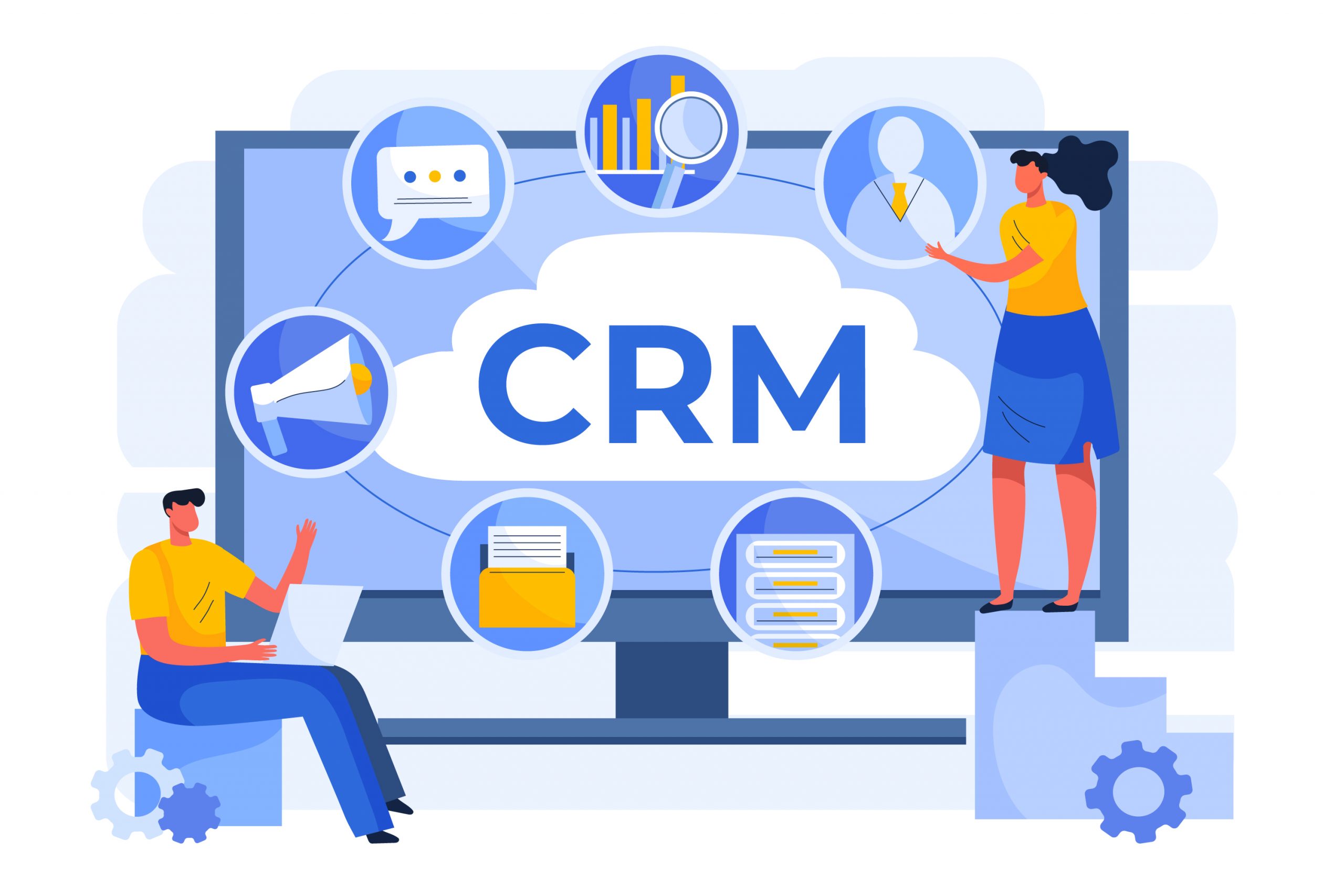
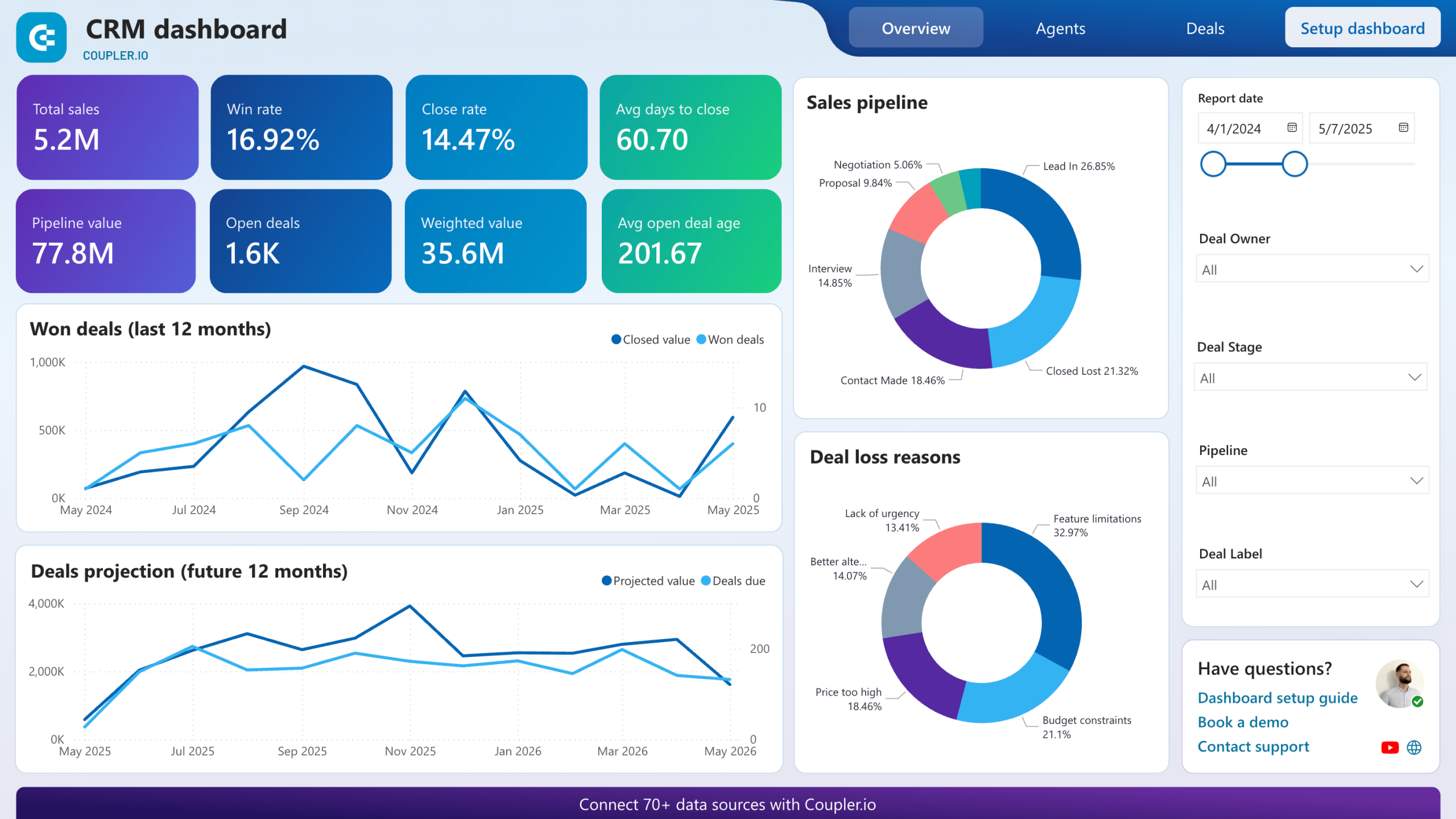
In today’s competitive automotive market, understanding the effectiveness of your Customer Relationship Management (CRM) system is crucial for enhancing customer experience and boosting sales. By effectively measuring CRM performance, dealerships can identify strengths and areas for improvement to make data-driven decisions that align with their business goals.To evaluate CRM performance accurately, automotive dealerships should concentrate on specific metrics and Key Performance Indicators (KPIs).
These metrics allow for a thorough analysis of customer interactions, sales trends, and service department efficiency. The insights gained from tracking these metrics can lead to improved decision-making and ultimately drive better results in both sales and service areas.
Key Metrics for CRM Performance Evaluation
Tracking the right metrics can reveal valuable insights into how well a CRM is functioning within an automotive dealership. Below are some common metrics used for evaluating CRM performance:
- Customer Acquisition Cost (CAC): This metric helps dealerships determine how much they spend to acquire a new customer. A lower CAC indicates more effective marketing and sales strategies.
- Customer Lifetime Value (CLV): Understanding the average revenue a customer generates throughout their relationship with the dealership helps in making informed investments in customer relationships.
- Lead Conversion Rate: This percentage indicates how effectively leads are converted into sales. A higher conversion rate signifies a more effective CRM process.
- Customer Retention Rate: This metric measures the percentage of customers who return for additional services or purchases. Retaining existing customers is often more cost-effective than acquiring new ones.
- Response Time to Leads: The speed at which leads are contacted can significantly impact conversion rates. Tracking this metric helps identify any bottlenecks in the sales process.
- Service Appointment Turnaround Time: Measuring how quickly service appointments are scheduled and completed reveals the efficiency of the service department and customer satisfaction levels.
“Data-driven decision-making is not just about gathering data; it’s about how effectively that data is analyzed and applied to improve operations.”
By leveraging these metrics, automotive dealerships can gain a clearer understanding of their CRM’s effectiveness. Analyzing data from these KPIs can lead to better decision-making and ultimately help dealerships enhance both customer satisfaction and operational efficiency. For instance, if a dealership notices a decline in the retention rate, they might implement loyalty programs or enhanced follow-up strategies, directly addressing the issue and improving customer relationships.
In summary, measuring the effectiveness of CRM in automotive dealerships is essential for driving continuous improvement and maintaining a competitive edge in the industry.
Customization and Scalability of CRM Solutions for Automotive Dealerships
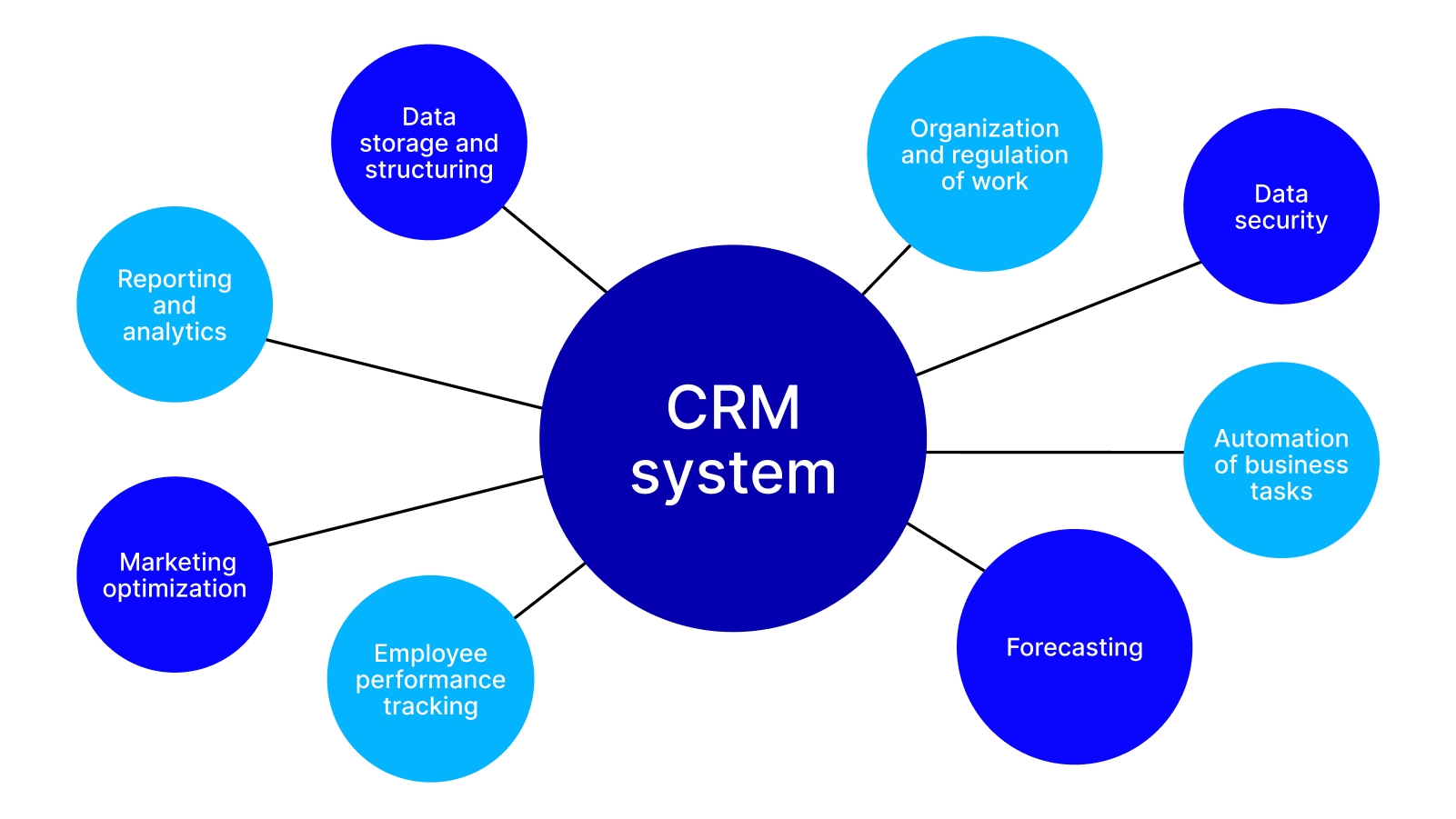
In the rapidly evolving automotive landscape, having a CRM solution tailored to the unique needs of each dealership can make a significant difference. Customization and scalability are not just buzzwords; they are essential components that help dealerships of all sizes enhance their customer relationships, streamline operations, and support growth. Customization plays a vital role in ensuring that different dealership sizes and types can effectively meet their unique demands.
Larger dealerships may require more advanced features, while smaller ones might benefit from a more straightforward setup. A customized CRM allows dealerships to adapt the software to fit their specific operational processes, customer interactions, and sales strategies. This flexibility can lead to increased efficiency and improved customer satisfaction, as the CRM can be aligned with the dealership’s brand and unique selling propositions.
Importance of Scalability in CRM Solutions
Scalability in CRM systems is crucial for accommodating business growth. As dealerships expand, their customer base increases, along with the complexity of managing customer data and interactions. A scalable CRM solution can evolve alongside the business, providing necessary features without the need for a complete system overhaul. Dealerships can start with basic functionalities and gradually add advanced capabilities as their needs grow.
Key benefits of scalable CRM systems include:
- Seamless integration of additional users and departments as the dealership grows, maintaining operational cohesion.
- Enhanced data storage capabilities to handle an expanding volume of customer information.
- Support for additional functionalities, such as advanced analytics and reporting, which become crucial as business demands increase.
- Flexibility to customize and adapt workflows without significant disruption to current operations.
Examples of Customizable Features in Popular CRM Systems
Various CRM systems offer customizable features that can cater to the distinct needs of automotive dealerships. Popular options in the market include Salesforce, DealerSocket, and VinSolutions. Each of these platforms provides unique customizable functionalities that enhance dealership operations.
1. Salesforce
Known for its robust customization capabilities, Salesforce allows dealerships to create custom dashboards and reports tailored to specific metrics, such as sales performance or customer engagement. Additionally, dealership-specific apps can be integrated into the Salesforce ecosystem to enhance operational efficiency.
2. DealerSocket
This CRM provides customizable workflows that enable dealerships to tailor processes based on their operational needs. For example, the lead management feature can be adjusted to reflect the specific customer journey of a dealership, ensuring that all touchpoints are accounted for.
3. VinSolutions
Features such as Inventory Management and Service Scheduling can be customized to meet the inventory types and service offerings of a dealership. With flexible templates and user-defined fields, dealerships can capture the exact information they need without unnecessary clutter.In conclusion, the right CRM solution must be both customizable and scalable to adapt to the varying needs of automotive dealerships.
This adaptability not only supports current operations but also positions the dealership for future growth and changing market conditions.
The Role of CRM in Enhancing Customer Relationships in Automotive Dealerships
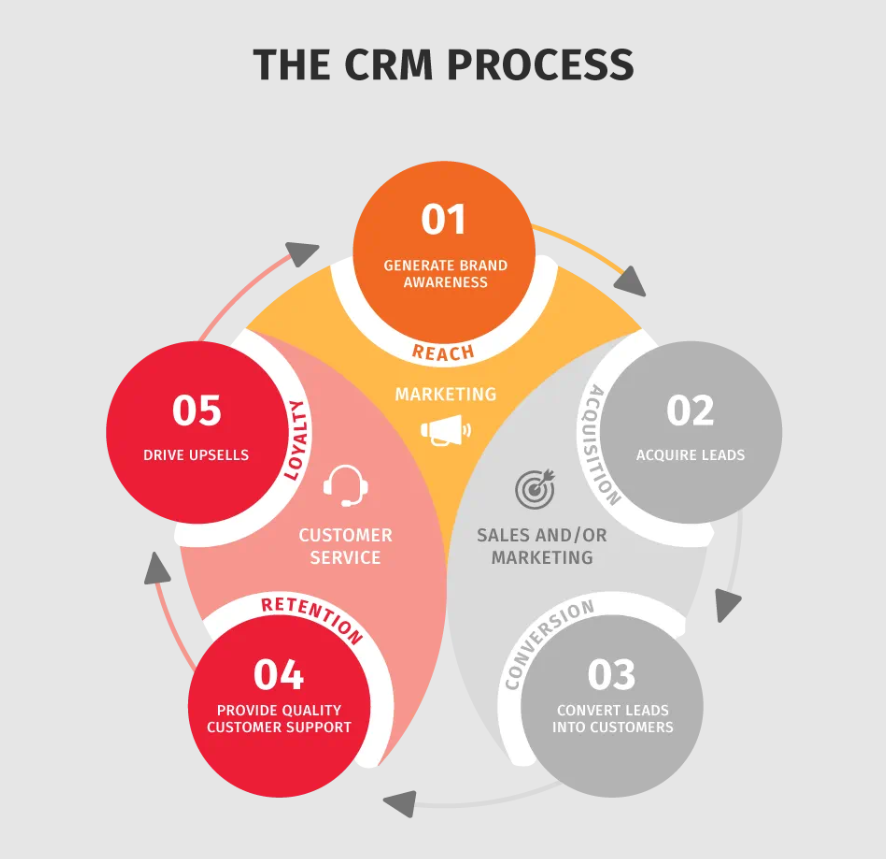
In today’s competitive automotive market, establishing strong customer relationships is pivotal for success. Customer Relationship Management (CRM) systems provide the tools necessary to manage interactions with both current and potential customers. By leveraging CRM technology, automotive dealerships can cultivate personalized experiences that resonate with their clientele, ultimately driving sales and customer loyalty.CRMs facilitate personalized communication through tailored messages and interactions that align with customer preferences and behaviors.
By analyzing customer data, dealerships can segment their audience based on various criteria such as purchasing history, service needs, and communication preferences. This data-driven approach empowers dealerships to engage customers at the right time with relevant offers, leading to a more meaningful relationship. Personalization can manifest in various ways, including:
- Targeted email campaigns that share promotions for specific vehicle models or services based on past purchases.
- Automated reminders for maintenance services, ensuring that customers feel valued and remembered.
- Customized follow-ups post-purchase to check in on customer satisfaction and gather feedback.
Impact of Customer Feedback on CRM Strategies
Customer feedback plays a crucial role in shaping effective CRM strategies. By actively seeking and analyzing feedback, dealerships can gain insights into customer needs and expectations. Utilizing tools such as surveys and online reviews, dealerships can refine their processes and address areas needing improvement. The integration of customer feedback into CRM systems enables dealerships to:
- Identify trends in customer satisfaction and dissatisfaction, allowing for timely adjustments to service offerings.
- Enhance product offerings based on customer suggestions, thereby aligning inventory with market demand.
- Build transparency by showing customers that their opinions matter, fostering a sense of community and trust.
“Listening to customers is not only a matter of collecting feedback; it’s about diligently implementing changes that reflect their voices.”
Building Long-Term Customer Loyalty Through Effective CRM Practices
Long-term customer loyalty is achieved through consistent and meaningful engagement facilitated by CRM systems. Dealerships that prioritize relationship-building practices can significantly enhance customer retention. Some effective strategies include:
- Implementing loyalty programs that reward repeat customers with discounts, exclusive access to events, or special service options.
- Offering personalized follow-up communications that celebrate milestones, such as anniversaries of vehicle purchases or birthdays.
- Creating a seamless omnichannel experience that allows customers to interact with the dealership across various platforms, whether in-person, online, or via mobile applications.
By putting these practices into action, automotive dealerships can not only meet customer expectations but also exceed them, fostering a loyal customer base that advocates for the brand. The strategic use of CRM systems ensures that every customer interaction becomes an opportunity to strengthen relationships, leading to sustained business growth.
Future Trends in CRM for Automotive Dealerships
The automotive industry is undergoing rapid transformation, driven by technological advancements that are reshaping customer interactions and business processes. As dealerships adapt to these changes, CRM systems will evolve to meet the demands of modern consumers and enhance operational efficiencies. This section explores the future trends in CRM specifically tailored for automotive dealerships.
Emerging Technologies Shaping CRM
Innovations in technology are pivotal in redefining how dealerships manage customer relationships. Several key technologies are forecasted to influence CRM systems in the automotive sector:
- Blockchain Technology: Enhancing data security and transparency, blockchain can provide immutable records of customer interactions and vehicle histories, fostering trust and accountability.
- Internet of Things (IoT): IoT devices can gather real-time data on vehicle performance and customer preferences, enabling personalized service offerings and proactive maintenance alerts.
- Augmented Reality (AR): AR can enhance customer experiences by allowing potential buyers to visualize vehicles in various configurations and settings, ultimately influencing their purchase decisions.
Artificial Intelligence and Automation in CRM
The integration of artificial intelligence (AI) and automation technologies into CRM systems is set to revolutionize how automotive dealerships operate. AI can analyze vast amounts of customer data to identify trends and predict future behaviors, which can significantly enhance decision-making processes.
“AI-driven insights can improve target marketing efforts, increase sales conversions, and streamline the customer journey.”
Key functionalities enhanced by AI include:
- Predictive Analytics: AI algorithms can forecast which leads are most likely to convert into sales, allowing sales teams to prioritize their efforts effectively.
- Chatbots and Virtual Assistants: These tools can provide 24/7 customer support, answering inquiries and scheduling appointments, thereby improving customer engagement and satisfaction.
- Automated Follow-ups: CRM systems can automate follow-up communications with customers, ensuring timely responses without additional workload for the sales team.
Significance of Mobile CRM Solutions
Mobile CRM solutions are becoming increasingly essential for automotive dealerships, enabling sales teams to access customer data and manage interactions on-the-go. As consumer behavior shifts towards mobile-first interactions, dealerships must adapt accordingly.
“Mobile CRM enhances responsiveness to customer inquiries, boosts productivity, and improves the overall sales process.”
The advantages of mobile CRM systems include:
- Real-Time Access to Data: Sales personnel can access customer histories, preferences, and inventory levels from anywhere, facilitating informed conversations with potential buyers.
- Enhanced Communication: Mobile solutions allow for instant communication with customers via SMS or email, furthering customer engagement and satisfaction.
- Streamlined Processes: Sales teams can manage leads, track sales activities, and collaborate with colleagues from their mobile devices, increasing overall efficiency.