Author: ngepunk

  • Crm For Insurance Agencies Enhancing Client Relations

    As crm for insurance agencies takes center stage, this opening passage beckons readers into a world crafted with good knowledge, ensuring a reading experience that is both absorbing and distinctly original.

    The importance of CRM systems tailored specifically for insurance agencies cannot be overstated. These systems are designed to improve client relationships and streamline operations, allowing agencies to manage their workflows more effectively. By adopting a tailored CRM solution, insurance firms can enhance their communication with clients, track interactions, and automate routine tasks, resulting in improved efficiency and satisfaction. Successful agencies that have implemented these systems have seen remarkable transformations, showcasing how critical a CRM can be in the competitive insurance market.

    The significance of CRM systems specifically designed for insurance agencies

    Having a Customer Relationship Management (CRM) system tailored for insurance agencies is no longer a luxury but a necessity in today’s competitive market. These systems are specifically designed to meet the unique needs of insurance firms, enabling them to manage client relationships better, streamline operations, and enhance overall efficiency. By integrating all client interactions and data into a single platform, insurance agencies can improve how they serve their clients while also tracking performance metrics that matter.Insurance agencies face unique challenges, such as managing a diverse range of insurance products, navigating regulatory requirements, and maintaining client engagement over long policy periods.

    A tailored CRM solution can address these challenges effectively. By organizing client data, tracking interactions, and automating routine tasks, agencies can significantly enhance their operational efficiency. With features like automated reminders for policy renewals, document management, and client communication logs, insurance agencies can ensure that no important details slip through the cracks.

    Improvement of client relationships and operational efficiency

    A well-implemented CRM system can fundamentally transform client relationships within insurance agencies. By centralizing client information, agencies can provide personalized service that meets the specific needs of each client. Clients appreciate timely communication and tailored solutions, leading to increased satisfaction and loyalty. With a CRM, agencies can track policy details, claims history, and client preferences, allowing agents to offer relevant advice and options proactively.Furthermore, the operational efficiency of insurance firms improves significantly with CRM systems.

    Automation of mundane tasks allows agents to focus on building relationships rather than administrative work. For instance, when a client inquires about policy options, the agent can quickly pull up their history and recommend the best products based on past preferences. This not only saves time but also creates a more engaging client experience.Successful insurance agencies have embraced CRM solutions to harness these benefits.

    For example, Allstate Insurance utilized a CRM system to enhance its agent-client interactions, resulting in a reported 30% increase in customer retention rates. Similarly, State Farm adopted a CRM tailored for insurance that integrated customer data across various touchpoints, leading to improved cross-selling opportunities and operational insights. These examples illustrate the powerful impact of tailored CRM systems on both client satisfaction and agency performance, showcasing their importance in the modern landscape of insurance.

    Key features to look for in a CRM system for insurance agencies

    Selecting the right Customer Relationship Management (CRM) system is crucial for insurance agencies aiming to optimize their operations and enhance client relationships. The unique demands of insurance professionals call for specific functionalities that streamline processes, improve customer service, and ultimately drive sales. Below are essential features that insurance agencies should prioritize when choosing a CRM system.

    Essential features for insurance agency CRM

    Understanding the critical features of a CRM system helps insurance agencies tailor their operations to better meet client needs and improve efficiency. Below are five essential features to consider:

    • Client Management: A robust client management feature enables agencies to maintain comprehensive profiles for each client, including their policy details, contact history, and important documents. This centralization of information allows agents to provide personalized service and respond to inquiries more efficiently.
    • Policy Tracking: This feature allows agents to monitor the status of policies, policy renewals, and claims in real-time. It minimizes the chances of lapses in coverage by sending automated reminders for renewals and important deadlines, thus ensuring clients remain protected.
    • Integration Capabilities: The ability to integrate with other systems such as accounting software, email marketing tools, and lead generation platforms enhances the CRM’s functionality. This streamlines operations, reduces data entry errors, and allows for a more cohesive workflow across various departments within the agency.
    • Automation Tools: Automation features, such as automated follow-ups and lead assignment, significantly reduce the administrative burden on agents. This allows them to focus more on selling and client relationships, improving productivity and ultimately leading to increased sales.
    • Reporting and Analytics: Customizable reporting and analytics tools provide insights into sales performance, client demographics, and policy trends. These analytics help agencies make data-driven decisions, forecast future sales, and identify areas for improvement, ultimately enhancing overall performance.

    Implementing the right CRM features can lead to a significant increase in client satisfaction and retention rates for insurance agencies.

    Benefits of automation and reporting functions

    The incorporation of automation within a CRM system offers multiple advantages for insurance agencies. Automation streamlines repetitive tasks such as data entry, appointment scheduling, and follow-up reminders, allowing agents to dedicate more time to building client relationships and closing deals. This leads to improved efficiency and a higher volume of business processed within the agency.

    In addition to automation, reporting functions provide agencies with valuable insights into their operations. With the ability to generate detailed reports on sales performance, customer interactions, and claims handling, agencies can identify successful strategies and areas needing attention. For example, if a report shows that a particular marketing campaign resulted in a surge of new clients, the agency can focus its resources on expanding that campaign.

    Furthermore, predictive analytics allow agencies to anticipate client needs based on historical data, enabling proactive engagement and personalized service. This not only enhances client satisfaction but can also lead to increased referrals and long-term loyalty.

    Overall, CRM systems equipped with automation and robust reporting functionalities empower insurance agencies to operate more efficiently, make informed decisions, and adapt to market changes with agility.

    The role of CRM in enhancing customer satisfaction in insurance
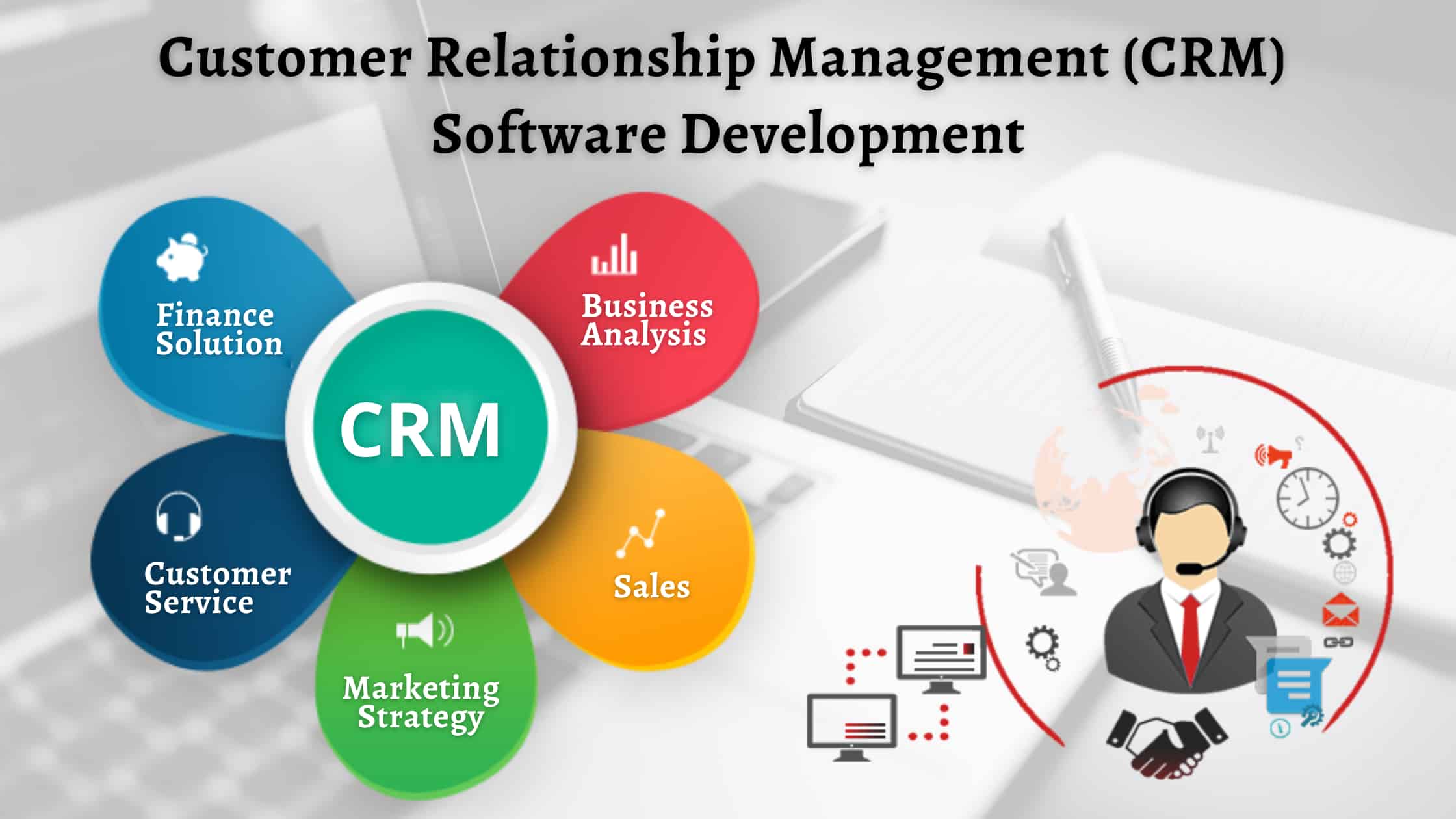
    Crm Customer Relationship Management Adalah – DWWITP

    In the competitive landscape of insurance, customer satisfaction is paramount. A robust Customer Relationship Management (CRM) system can significantly enhance the way insurance agencies interact with policyholders, leading to improved client experiences and strengthened loyalty. By integrating CRM tools, agencies can streamline processes and genuinely focus on meeting the needs of their customers.Utilizing CRM effectively allows insurance agencies to gather and analyze customer data, which in turn helps in personalizing service offerings.

    With CRM, agencies can track customer interactions across various touchpoints—be it online inquiries, claims processes, or policy renewals. This collection of data ensures that every engagement is informed and relevant, thus fostering a sense of care and consideration among policyholders.

    Tracking customer touchpoints and feedback

    Understanding customer touchpoints is crucial for enhancing satisfaction levels. CRM systems provide a platform for monitoring every interaction that a client has with the agency. This can include communication via email, phone calls, website visits, and social media interactions. By tracking these interactions, agencies can identify patterns in customer behavior and preferences.The feedback collected through CRM tools is invaluable. It allows agencies to pinpoint areas needing improvement and recognize what works well.

    Key elements of tracking feedback include:

    • Surveys post-interaction to gauge customer satisfaction and service effectiveness.
    • Monitoring social media mentions to understand public perception and sentiment.
    • Analyzing call logs to evaluate service quality during customer support interactions.

    This comprehensive approach to feedback helps insurance agencies adapt their services, ensuring that they remain aligned with customer expectations and preferences.

    Personalizing client interactions and improving service delivery

    Personalization plays a key role in improving customer satisfaction. CRM data enables insurance agencies to tailor their communications and offerings based on individual customer profiles and history. This enhances interactions, making clients feel valued and understood.Strategies to utilize CRM for personalization include:

    • Segmenting clients based on demographics, policy types, or previous interactions to deliver targeted marketing and communications.
    • Utilizing automated reminders for policy renewals or important updates, ensuring clients are informed without feeling overwhelmed.
    • Creating customized insurance recommendations based on a client’s life stage, such as offering life insurance products to newlyweds or homeowners.

    By implementing these strategies, agencies can effectively improve service delivery and build stronger relationships with their clients. A CRM system not only provides the tools for personalization but also enables continuous improvement based on real-time feedback and evolving customer needs.

    Best practices for implementing a CRM system in an insurance agency

    What Is a CRM Strategy? Definition, Examples, and Strategy

    Implementing a Customer Relationship Management (CRM) system in an insurance agency can significantly enhance client relations and streamline operations. By following best practices, agencies can ensure a smooth transition and maximize the system’s potential to meet business objectives. This discussion explores essential steps, staff engagement strategies, and a timeline for successful adoption of a CRM system.

    Essential Steps for Planning CRM Implementation

    Effective planning is crucial for a successful CRM implementation. Here are some key steps to consider:

    • Define Objectives: Clearly Artikel what you aim to achieve with the CRM system, such as improving customer service, increasing sales, or enhancing data management.
    • Assess Current Processes: Analyze existing workflows and identify areas for improvement that the CRM can address.
    • Select the Right CRM: Choose a system that fits your agency’s needs, considering factors like user-friendliness, scalability, and integration capabilities.
    • Create a Project Team: Form a group of representatives from various departments to oversee the implementation and ensure all perspectives are considered.
    • Develop a Project Plan: Establish a timeline, allocate resources, and define roles and responsibilities to guide the implementation process.

    Importance of Staff Training and Engagement

    Training staff is a pivotal aspect of CRM implementation that can influence the system’s success. Engaged employees are more likely to utilize the CRM effectively, which in turn enhances client interactions. Consider the following strategies to facilitate training and engagement:

    • Conduct Training Sessions: Organize comprehensive training programs that cover all features of the CRM, tailored to different user roles.
    • Provide Ongoing Support: Offer assistance and resources post-training to help staff navigate challenges and reinforce learning.
    • Encourage Feedback: Create channels for staff to share their experiences and suggestions regarding the CRM, fostering a sense of ownership and collaboration.
    • Recognize Achievements: Celebrate milestones and acknowledge individuals or teams who excel in utilizing the CRM, promoting a positive culture surrounding the new system.

    Timeline of Milestones for Successful CRM Adoption

    Establishing a clear timeline with milestones can help track progress and maintain focus throughout the CRM implementation. A typical timeline might include the following phases:

    • Weeks 1-2: Define objectives and assess current processes.
    • Weeks 3-4: Select the CRM and form the project team.
    • Weeks 5-6: Develop the project plan and begin system customization.
    • Weeks 7-8: Conduct training sessions for all staff members.
    • Weeks 9-10: Roll out the CRM system, monitor usage, and collect feedback.
    • Weeks 11-12: Evaluate effectiveness and make necessary adjustments based on staff input and performance metrics.

    “A well-implemented CRM system can transform the client experience and ultimately lead to higher retention rates and increased sales.”

    Challenges faced by insurance agencies in adopting CRM systems

    Insurance agencies today are progressively integrating Customer Relationship Management (CRM) systems to enhance client interactions, streamline processes, and improve efficiency. However, the journey to CRM adoption is often fraught with challenges that can hinder successful implementation. Understanding these obstacles is crucial for agencies aiming to leverage CRM technology effectively.The primary challenges that insurance agencies encounter when integrating CRM solutions can be attributed to a mix of technological, organizational, and human factors.

    These barriers may range from resistance to change among staff to difficulties in data migration and integration with existing systems. Addressing these issues is essential for a smooth transition to a CRM-centric approach.

    Common obstacles in CRM integration

    Several key obstacles commonly impede the successful adoption of CRM systems by insurance agencies. Recognizing these challenges can help agencies strategize effectively for implementation.

    • Staff Resistance to Change: Employees accustomed to traditional processes may resist transitioning to a CRM system. This reluctance can stem from fear of the unknown or concerns about job security.
    • Data Migration Difficulties: Transferring existing client data to a new CRM platform can be challenging. Inaccurate or incomplete data can lead to operational disruptions.
    • Integration with Legacy Systems: Many agencies rely on older systems that may not easily integrate with modern CRM solutions, requiring additional resources and time for customization.
    • Cost Constraints: The financial burden of implementing a CRM, including software licenses, training, and ongoing maintenance, can be significant, particularly for smaller agencies.
    • Lack of Training and Support: Insufficient training can lead to underutilization of the CRM features, resulting in minimal return on investment.

    Strategies for overcoming CRM challenges

    Implementing effective strategies can help insurance agencies navigate the challenges of CRM adoption. These strategies focus on fostering a supportive environment and ensuring that the transition is as seamless as possible.

    • Change Management Initiatives: Engaging employees early in the process, providing clear communication about the benefits of the CRM, and involving them in the implementation can reduce resistance.
    • Thorough Data Assessment: Conducting a detailed audit of existing data before migration can help identify inaccuracies and prepare data for a smoother transfer.
    • Choosing Compatible Solutions: Investing in CRM systems that easily integrate with existing technology can save time and reduce complications.
    • Budgeting for Total Costs: Agencies should account for all aspects of CRM implementation in their budgets, ensuring they have resources allocated for training and support as well.
    • Comprehensive Training Programs: Providing ongoing training sessions and resources ensures that staff feel equipped to utilize the CRM effectively.

    Real-life scenarios illustrating challenges and resolutions

    Understanding real-world examples can shed light on how these challenges manifest and how they have been successfully addressed in insurance agencies.

    “A mid-sized insurance agency struggled with high employee turnover due to reluctance in adopting a new CRM. By implementing a structured change management plan that included training sessions and feedback mechanisms, they successfully improved employee engagement and CRM utilization.”

    In another instance, a small agency faced significant issues during data migration, leading to lost client records. They mitigated this risk by partnering with the CRM vendor for technical assistance and conducting a phased migration process, which allowed them to verify data accuracy step by step.Lastly, an insurance agency that initially faced integration issues with their legacy system realized significant improvements after choosing a CRM specifically designed for compatibility with older software.

    This strategic choice reduced the integration time and resulted in a smoother overall transition.These examples highlight the importance of addressing challenges proactively to harness the full potential of CRM systems in insurance agencies.

    The impact of mobile CRM applications on insurance agencies

    The emergence of mobile CRM applications has significantly transformed the landscape of insurance agencies. By providing agents with the tools they need to access client information and manage relationships on-the-go, these applications have streamlined operations, enhanced productivity, and improved customer satisfaction. Agents can now work efficiently from virtually anywhere, allowing for a more flexible and dynamic work environment.Mobile CRM applications empower insurance agents by offering functionalities tailored to their unique needs in the field.

    These tools not only simplify everyday tasks but also enable agents to focus on building stronger relationships with their clients. For instance, mobile CRMs allow agents to effortlessly track sales opportunities, access client data, and manage their appointments, all from the convenience of their smartphones or tablets.

    Mobile CRM functionalities that benefit insurance agents

    The functionalities of mobile CRM applications play a crucial role in supporting insurance agents in their daily operations. Some of the key features that stand out include:

    • Client Data Access: Agents can access comprehensive client profiles, including policy details and communication history, at a moment’s notice. This instant access to information allows for personalized interactions and informed decision-making during client meetings.
    • Lead Management: Mobile CRMs enable agents to capture and track leads in real-time, ensuring no opportunities are lost. Agents can quickly update lead statuses, set reminders for follow-ups, and prioritize prospects based on engagement levels.
    • Appointment Scheduling: Agents can easily schedule appointments and manage their calendars directly through mobile applications, reducing the likelihood of double bookings and missed opportunities.
    • Document Sharing: Mobile CRM applications allow agents to share important documents with clients directly from their devices. This ensures that clients have timely access to necessary paperwork, enhancing transparency and trust.
    • Task Management: With built-in task management features, agents can create to-do lists and set deadlines, helping them stay organized and focused on their goals.

    The advantages of real-time data access provided by mobile CRM applications cannot be overstated. Insurance professionals benefit from immediate updates on client interactions, market trends, and policy changes, which allows them to respond quickly and accurately to client needs. Real-time access ensures that agents have the most current information at their fingertips, leading to enhanced decision-making and service delivery.

    “Real-time data access allows agents to provide timely solutions, improving client satisfaction and fostering long-term relationships.”

    By leveraging the power of mobile CRM applications, insurance agencies can notably enhance their operational efficiency, allowing agents to deliver exceptional service while managing their workflows more effectively. This transformation is not only beneficial for agents but also results in a more satisfied client base, ultimately driving agency success.

    Integrating CRM with other insurance technologies

    Integrating Customer Relationship Management (CRM) systems with other technologies within the insurance industry is crucial for enhancing operational efficiency and customer satisfaction. By leveraging various tools, agencies can streamline their processes, improve data accuracy, and create a cohesive digital ecosystem that supports better decision-making.Effective integration of CRM with systems such as policy management and claims processing software enables insurance agencies to maintain a single source of truth regarding customer information.

    This interconnectedness minimizes the risk of errors that can arise from manual data entry and ensures that agents have access to the latest information, thus improving their responsiveness to client needs.

    Compatible technologies that enhance CRM functionality

    To optimize the performance of CRM systems in insurance agencies, several compatible technologies can be integrated. The following table Artikels these technologies along with their purpose and benefits:

    Technology Purpose Benefits
    Policy Management Systems To manage policy documents, renewals, and client communications. Streamlined operations and unified access to policy details.
    Claims Management Systems To process and track insurance claims efficiently. Faster claim resolution and improved customer satisfaction.
    Marketing Automation Tools To automate marketing campaigns and communications. Increased engagement and targeted outreach to clients.
    Accounting Software To manage financial transactions and reporting. Enhanced financial tracking and accuracy in billing.
    Data Analytics Platforms To analyze client data and market trends. Informed decision-making based on actionable insights.

    Integrating these technologies with a CRM system can significantly enhance the workflow within insurance agencies. A streamlined integration allows for seamless data transfer, reducing time spent on manual entry and ensuring that all teams work with the same accurate data. This not only enhances efficiency but also fosters a collaborative work environment where different departments can easily share insights and contribute to the overall success of the agency.

    “Integration transforms disparate technologies into a cohesive system, empowering agencies to respond rapidly to client needs and market changes.”

    Future trends in CRM technology for insurance agencies
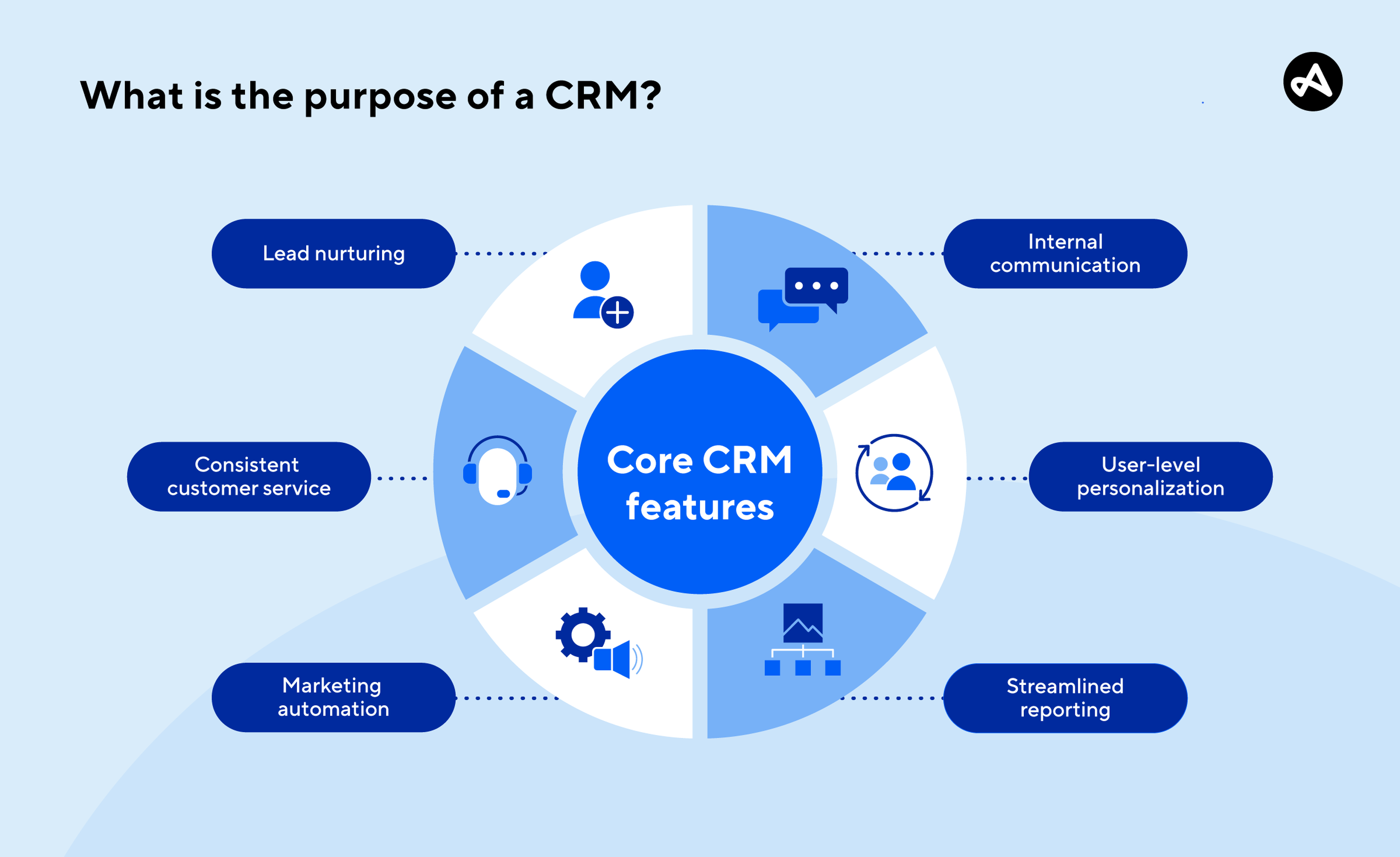
    What is customer relationship management (CRM)? | Adjust

    The landscape of Customer Relationship Management (CRM) technology is continuously evolving, particularly within the insurance sector. As agencies strive to improve client interactions and streamline operations, understanding future trends becomes vital. This section explores how advancements in technology, particularly in artificial intelligence (AI) and data analytics, are shaping the future of CRM systems tailored for insurance agencies.

    Impact of Artificial Intelligence and Data Analytics

    The integration of artificial intelligence and data analytics is set to revolutionize CRM systems in the insurance industry. AI technologies can analyze vast amounts of data to provide actionable insights, enabling agencies to offer personalized services and anticipate customer needs. Enhanced predictive analytics can significantly improve risk assessment and underwriting processes.For instance, AI algorithms can analyze client behavior patterns and historical data to predict future claims, helping agencies to adjust their policies proactively.

    This not only enhances customer satisfaction but also boosts operational efficiency. Furthermore, automated chatbots powered by AI can handle customer queries 24/7, providing instant support and freeing up human agents for more complex issues.

    Enhanced Customization Options in Future CRM Solutions

    Future CRM solutions for insurance agencies are expected to offer unprecedented levels of customization, allowing agencies to tailor their systems to fit unique business needs. As customer expectations grow, the ability to customize CRM interfaces, client interactions, and reporting features will become crucial.The trend towards modular CRM systems allows agencies to choose specific functionalities that align with their operational strategies.

    For example, agencies can incorporate modules for claims management, policy administration, and customer engagement that most align with their service offerings. This flexibility not only improves usability but also ensures that agencies can adapt their CRM systems as their business evolves.
  • Crm For Manufacturing Companies Optimizing Operations

    In the realm of modern manufacturing, the integration of a robust CRM system can be a game changer. Manufacturing companies face distinct challenges, from complex supply chains to the need for efficient customer relationship management. By leveraging CRM solutions, businesses can streamline operations, enhance client interactions, and boost overall productivity. This article delves into how CRM for manufacturing companies not only addresses these hurdles but also paves the way for future growth and innovation.

    As we explore the essential features tailored specifically for the manufacturing sector, we will uncover functionalities that differentiate these systems from generic CRMs. We’ll discuss how inventory management integration and production tracking capabilities can transform the way manufacturers operate. Furthermore, the role of CRM in strengthening customer relationships will be examined, highlighting how effective communication and personalized experiences can significantly enhance customer retention.

    With real-world examples and insights into popular CRM platforms, we’ll provide a comprehensive overview of how these tools can make a meaningful impact on manufacturing companies.

    The unique challenges manufacturing companies face that can be alleviated by CRM solutions

    Crm Customer Relationship Management Adalah – DWWITP

    Manufacturing companies are often engulfed by a myriad of challenges that can strain operations and impact customer satisfaction. From managing intricate supply chains to maintaining consistent communication with clients and stakeholders, these hurdles can hinder growth and efficiency. A Customer Relationship Management (CRM) solution tailored for the manufacturing sector can significantly alleviate these issues, providing the necessary tools to streamline processes and enhance customer interactions.One of the foremost operational hurdles faced by manufacturing businesses is the complexity of the supply chain.

    Manufacturers must coordinate with suppliers, distributors, and logistics providers, often across global networks. This complexity can lead to delays, inconsistent product availability, and ultimately, customer dissatisfaction. A CRM system centralizes vital information and facilitates better communication, enabling manufacturers to track orders in real-time, manage inventories effectively, and forecast demand with enhanced accuracy. By doing so, CRM systems improve responsiveness and ensure that customer expectations are met, leading to stronger relationships.

    Supply chain complexities and customer relationship management

    Supply chain disruptions can have a devastating impact on customer relationships. When production delays occur, or when inventory levels are inaccurate, customers may experience frustration and dissatisfaction. CRM solutions can mitigate these effects through improved visibility and communication. Here’s how:

    • Real-time data access: CRM systems provide instant insights into supply chain operations, allowing manufacturers to identify bottlenecks and inform customers proactively about delays or changes in order status.
    • Automated notifications: By automating communication, manufacturers can keep customers updated about their orders without manual intervention, reducing the risk of miscommunication and building trust.
    • Enhanced forecasting: CRM tools analyze historical data and market trends, enabling manufacturers to predict demand more accurately and adjust production schedules accordingly, thus minimizing stockouts and overproduction.
    • Customer feedback integration: Gathering feedback through CRM helps manufacturers understand customer needs and preferences, allowing for adjustments in the supply chain that better align with customer expectations.

    By addressing these supply chain complexities through CRM, manufacturers not only enhance their operational efficiency but also foster stronger, more reliable relationships with their customers, paving the way for sustainable growth and profitability.

    The essential features of CRM systems tailored for the manufacturing sector

    In the rapidly evolving landscape of manufacturing, Customer Relationship Management (CRM) systems play a crucial role in optimizing operations and enhancing customer interactions. Manufacturing businesses face unique challenges that require specialized features in their CRM solutions. Unlike traditional CRM applications, those tailored for manufacturing integrate various components that ensure seamless coordination between production, sales, and customer service.One of the standout characteristics of CRM systems designed for manufacturers is their capability to integrate inventory management and production tracking functionalities.

    This integration is vital for ensuring that manufacturers can maintain optimal stock levels, meet customer demand promptly, and streamline their production processes. An effective CRM system allows manufacturers to monitor inventory in real-time, manage supplier relationships, and automate reordering processes, which reduces the risk of stockouts or excess inventory.

    Key functionalities of manufacturing-focused CRM systems

    The following functionalities are critical for CRM systems in the manufacturing sector, setting them apart from generic CRM solutions:

    • Inventory Management Integration: A robust CRM system incorporates tools for tracking inventory levels, turnover rates, and order statuses. This allows businesses to forecast demand accurately and manage stock efficiently, thus reducing waste and improving cash flow.
    • Production Tracking: Advanced CRM systems offer features to monitor the production process, allowing manufacturers to see where each product is in the production line. This feature supports timely responses to production delays, ensuring that customer delivery expectations are met.
    • Customer Order Management: The ability to manage customer orders directly from the CRM streamlines communication between the sales team and production. This results in fewer errors and enhanced customer satisfaction as orders can be tracked and updated in real-time.
    • Analytics and Reporting: CRM systems for manufacturers provide detailed analytics tools that help in assessing production efficiency, sales performance, and customer satisfaction trends. Insights gained from this data can guide strategic decisions and improve operational efficiencies.
    • Supplier and Vendor Management: Managing relationships with suppliers is critical in manufacturing. A specialized CRM can track supplier performance, ensuring timely deliveries and quality materials, which ultimately affect production schedules and customer satisfaction.

    Effective CRM solutions help manufacturers not only meet customer expectations but also drive operational excellence through integrated processes and real-time insights.

    The role of CRM in enhancing customer relationship management for manufacturers

    In the competitive landscape of manufacturing, effective customer relationship management (CRM) systems play a crucial role in optimizing interactions and fostering long-term partnerships. By centralizing customer data and streamlining communication, CRM systems empower manufacturers to engage meaningfully with clients, enhance their experiences, and ultimately drive loyalty. CRM systems facilitate improved communication by offering a unified platform for manufacturers and their clients.

    This framework allows manufacturers to track interactions, manage inquiries, and resolve issues in real-time. The integration of various communication tools—such as email, chat, and phone calls—into a single system ensures that no client query falls through the cracks. For instance, when a customer reaches out regarding a product shipment delay, the manufacturer can quickly access past communication history and provide timely updates, thus reinforcing trust.

    Personalized customer experiences and retention strategies

    Personalization is at the heart of effective customer retention strategies, and CRM systems excel in this area by leveraging data analytics to tailor experiences. By collecting and analyzing customer data, manufacturers can gain insights into buying patterns, preferences, and needs. This knowledge enables them to customize interactions and offerings, ensuring clients feel valued and understood. For example, if a manufacturer notices that a client frequently purchases a specific type of component, they can proactively suggest complementary products or services, thereby enhancing the customer’s experience.Additionally, CRM systems enable manufacturers to implement targeted marketing campaigns based on customer segments identified through data analysis.

    By sending personalized communications—such as discounts on frequently purchased items or notifications about new product releases—manufacturers can increase engagement and drive repeat business. The use of CRM also enhances follow-up strategies, which are vital for maintaining relationships. Automated reminders for follow-ups or renewals ensure that manufacturers stay connected with their clients without overwhelming them. This systematic approach to client interactions not only cultivates loyalty but also helps manufacturers to identify at-risk customers early, allowing for timely intervention strategies to retain their business.In summary, the role of CRM systems in manufacturing is transformative, enhancing communication, personalizing customer experiences, and fostering retention strategies that contribute to long-term success.

    How CRM implementation impacts productivity and efficiency in manufacturing

    crm management company - CRM Information

    The adoption of Customer Relationship Management (CRM) systems in manufacturing companies has led to significant transformations in workflow and productivity. By facilitating better communication, streamlining processes, and providing real-time data insights, CRM systems enable manufacturers to enhance their operational efficiency. This shift not only aligns production with customer demands but also fosters a culture of continuous improvement and adaptability within the organization.One notable change in workflow after implementing a CRM system is the integration of sales and production teams.

    Traditionally, these departments operated in silos, leading to miscommunications and delays. With a unified CRM platform, both teams can access shared customer data, forecasts, and order statuses, resulting in improved collaboration. For instance, when a sales team member updates a customer’s order, the production team is instantly notified, enabling them to adjust schedules accordingly and minimize downtime.

    Efficiency gains from CRM systems in manufacturing

    The efficiency gains seen by manufacturers after implementing CRM systems can be substantial. Here are some key impacts:

    • Improved Order Management: CRM systems allow for better tracking of orders from initiation to delivery, reducing errors and enhancing customer satisfaction. Manufacturers report up to a 25% decrease in order processing time after CRM implementation.
    • Enhanced Customer Insights: With detailed analytics and reporting capabilities, manufacturers can better understand customer needs and preferences. This knowledge helps tailor production schedules and marketing efforts, leading to a 20% increase in sales for some companies.
    • Streamlined Communication: By centralizing customer data, CRM fosters seamless communication across departments. This integration can lead to a 15% reduction in response times to customer inquiries, directly impacting customer retention and loyalty.
    • Data-Driven Decision Making: Manufacturing companies utilizing CRM can leverage real-time data analytics for strategic planning. For example, one manufacturer used CRM insights to optimize inventory management, resulting in a 30% reduction in excess stock and storage costs.

    “The implementation of a CRM system in manufacturing not only boosts productivity but also aligns production processes with customer expectations, which is critical in today’s competitive landscape.”

    In summary, the strategic use of CRM in manufacturing not only enhances productivity through improved workflows but also drives efficiency gains that are quantifiable and impactful. Companies that embrace these systems can expect not only operational improvements but also happier customers and, ultimately, a stronger bottom line.

    A comparison of popular CRM platforms for manufacturing companies and their functionalities

    In the evolving landscape of manufacturing, CRM platforms have emerged as essential tools for enhancing customer relationships, streamlining operations, and integrating processes. Several CRM solutions are tailored specifically to meet the unique needs of manufacturing companies. Below is an analysis of some of the most popular platforms, focusing on their functionalities, pricing structures, ease of use, and integration capabilities.

    Leading CRM Platforms and Their Features

    When it comes to CRM platforms that cater to manufacturers, a few stand out due to their specialized features and user-friendly design. Here are some noteworthy options:

    • Salesforce Manufacturing Cloud: Known for its robust automation and customizable dashboards, Salesforce Manufacturing Cloud allows companies to manage customer data and sales forecasting effectively. Its pricing starts at around $25 per user per month, making it an affordable option for many businesses. The platform’s integration capabilities with other Salesforce products and third-party applications are seamless, enhancing its usability.
    • Microsoft Dynamics 365: This platform offers comprehensive solutions for customer engagement, supply chain management, and project service automation. It is especially valued for its integration with Microsoft Office tools. Pricing starts at approximately $70 per user per month. While Dynamics 365 may have a steeper learning curve, its extensive functionalities make it worth the investment.
    • Zoho CRM: Zoho is recognized for its user-friendly interface and affordability, with plans starting as low as $12 per user per month. It offers features like inventory management and sales automation, which are crucial for manufacturers. Zoho also provides strong integration capabilities with various applications, making it a flexible choice for many organizations.
    • HubSpot CRM: Although not exclusively designed for manufacturing, HubSpot CRM offers great customization options and a free version that provides essential features. Paid plans start at around $50 per user per month. Its ease of use and extensive integrations with marketing tools make it a popular choice among smaller manufacturing firms.

    Each of these platforms has unique strengths and weaknesses, primarily reflecting their pricing strategies, user complexity, and integration capabilities. Manufacturers looking for a solution should consider their specific needs and how each platform aligns with their operational goals. A careful evaluation of these factors will be crucial in selecting a CRM that not only supports customer relationships but also enhances overall efficiency within the manufacturing process.

    The future of CRM technology in the manufacturing industry

    Why Use A Crm System – Qu Est Ce Un Crm – GARAKD

    As manufacturing companies strive to stay competitive and responsive to market dynamics, the evolution of Customer Relationship Management (CRM) technology plays a pivotal role. The future of CRM in this sector is not merely about managing relationships but is increasingly intertwined with advanced technologies that can significantly enhance operational efficiency and customer satisfaction.

    Emerging trends in CRM technology

    Several notable trends are shaping the future of CRM technology in manufacturing, leading to transformative changes in how companies engage with customers.

    Integration of IoT (Internet of Things)

    The rise of IoT devices is enabling real-time data collection from manufacturing processes. This provides companies with insights into customer preferences, usage patterns, and product performance. By leveraging this data, manufacturers can tailor their CRM strategies, fostering stronger customer connections.

    Cloud-based CRM solutions

    The adoption of cloud technology is making CRMs more accessible and scalable for manufacturing firms. These systems allow companies to manage customer data from anywhere, facilitating collaboration among teams and improving response times to customer inquiries.

    Mobile CRM applications

    With the increasing mobility of the workforce, mobile CRM applications are becoming essential. They empower sales and support teams to access critical customer information on-the-go, enabling timely interactions and decision-making.

    Personalization through data analytics

    Advanced data analytics tools allow manufacturers to segment their customer base and create personalized marketing campaigns. This shift towards customization helps enhance customer loyalty and engagement.

    Advancements in AI and machine learning

    The integration of artificial intelligence (AI) and machine learning into CRM systems is set to revolutionize the manufacturing industry.

    Predictive analytics

    Machine learning algorithms can analyze historical customer data to predict future buying behaviors. This allows manufacturers to anticipate customer needs, optimize inventory management, and enhance sales strategies. For instance, companies like Siemens have successfully applied predictive analytics to improve their customer service and operational efficiency.

    Chatbots and virtual assistants

    AI-powered chatbots are becoming commonplace in customer service. These tools offer 24/7 support, handling routine inquiries, and freeing up human agents to focus on complex issues. This not only improves customer satisfaction but also reduces operational costs.

    Enhanced customer insights

    AI can process vast amounts of data to uncover hidden insights about customer preferences and pain points. This information can inform better product development, marketing strategies, and customer service practices.

    Streamlined processes

    Machine learning can automate repetitive tasks, such as data entry and reporting, allowing teams to focus on strategic initiatives that drive growth. Companies adopting these technologies are likely to see significant gains in efficiency.In summary, the future of CRM technology in manufacturing is marked by a strong emphasis on data-driven insights, automation, and personalized customer interactions. As these technologies advance, manufacturers that embrace them will find themselves better equipped to meet the evolving needs of their customers.

    Strategies for successful CRM implementation in manufacturing firms

    What Is a CRM Strategy? Definition, Examples, and Strategy

    Implementing a CRM system in manufacturing firms can significantly enhance customer relationships, streamline operations, and provide valuable insights into market trends. However, the process requires careful planning and execution to ensure success. Here are essential steps and best practices for a smooth CRM implementation.

    Essential Steps for CRM Implementation

    To effectively implement a CRM system, manufacturers should follow a structured approach. This includes:

    • Needs Assessment: Evaluate the specific needs of the organization by engaging with different departments to understand their requirements and pain points.
    • Selecting the Right CRM: Choose a CRM solution that aligns with your manufacturing processes and integrates seamlessly with existing systems, such as ERP or supply chain management software.
    • Data Migration: Prepare for data migration by cleaning and organizing existing customer data to ensure accuracy and completeness in the new system.
    • System Customization: Customize the CRM to meet unique operational needs, such as managing inventory levels and tracking production schedules in relation to customer orders.
    • Testing: Conduct thorough testing of the system to identify and rectify any issues before going live, ensuring all functionalities perform as expected.

    Best Practices for Training and User Adoption

    Ensuring that staff are proficient and comfortable using the CRM system is crucial for its success. Effective training and user adoption strategies include:

    • Comprehensive Training Programs: Develop tailored training sessions that cater to the diverse skill levels within the organization, incorporating both theoretical and practical components.
    • Ongoing Support: Provide continuous support through dedicated help desks or internal mentors who can assist users as they navigate the new system.
    • User-Friendly Interface: Opt for a CRM with an intuitive interface that minimizes the learning curve, making it easier for users to adopt the system.
    • Incentives for Use: Encourage staff to engage with the system by offering incentives or recognition for consistent and effective usage, fostering a culture of CRM-centric operations.
    • Feedback Mechanism: Establish channels for users to provide feedback on the CRM experience, allowing for iterative improvements and increased satisfaction.

    Effective CRM implementation transforms customer relationships, leading to increased loyalty and revenue growth.

    Case studies of successful CRM adoption in manufacturing companies

    In the competitive landscape of manufacturing, adopting a robust Customer Relationship Management (CRM) system can be a game-changer. Several manufacturing firms have embraced CRM technology, leading not only to improved customer relationships but also to significant operational efficiencies. This segment highlights notable examples of CRM success stories in manufacturing and the key factors that contributed to their triumphs.

    Examples of Successful CRM Implementation

    Several manufacturing companies have successfully implemented CRM systems, yielding impressive results that can serve as valuable lessons for others in the industry. Below are some notable instances:

    • Siemens: Siemens, as a global electronic and electrical engineering company, adopted CRM to streamline its customer interactions and enhance its service offerings. By integrating Salesforce, Siemens improved its customer service response time by 30%, leading to increased customer satisfaction and retention.
    • Honeywell: Honeywell implemented a CRM system that provided a unified platform for managing customer engagement across multiple channels. As a result, they witnessed a 20% increase in sales productivity and a significant reduction in the sales cycle, thanks to better insights into customer preferences and behavior.
    • Rockwell Automation: Rockwell Automation utilized a CRM solution that allowed real-time data access across its sales and customer service teams. This integration led to a 15% increase in upselling opportunities and improved account management efficiency, reinforcing their customer relationships.

    The successes of these companies can be attributed to several key factors that others in the manufacturing sector can learn from.

    Factors Contributing to Successful CRM Adoption

    The successful implementation of CRM in manufacturing companies often hinges on a few critical elements. These include:

    • Leadership Buy-in: Strong leadership support is crucial. Companies that prioritize CRM initiatives at the executive level tend to allocate necessary resources and foster a culture that embraces change.
    • Comprehensive Training: Effective training programs ensure that employees understand the CRM system’s capabilities and how to leverage them. This leads to higher adoption rates and more effective use of the system.
    • Data Integrity: Maintaining accurate and up-to-date customer data is essential for CRM success. Organizations that invest in data management practices see better outcomes in customer insights and decision-making.
    • Customization and Scalability: Customizing the CRM to fit specific business needs allows manufacturers to optimize workflows and scale the system as the company grows.

    By examining the successful cases of Siemens, Honeywell, and Rockwell Automation, manufacturing companies can glean insights into effective CRM strategies and the importance of fostering a customer-centric approach in their operations. The integration of CRM systems has proven to be a pivotal step toward achieving operational excellence and sustained growth in the manufacturing sector.

  • Crm For Financial Advisors Enhancing Client Relationships

    crm for financial advisors is not just a buzzword; it represents a vital tool that enhances the way financial advisors manage client relationships and streamline their operations. As the financial advisory landscape becomes increasingly complex, having an efficient system to track interactions, preferences, and financial goals is essential for delivering exceptional service.

    CRM systems specifically designed for financial advisors address unique industry needs, providing features that enhance communication, improve client satisfaction, and ultimately lead to better client retention. With a tailored CRM solution, advisors can not only keep track of their client interactions but also analyze data to drive meaningful insights and strategies.

    The Importance of CRM Systems for Financial Advisors

    In today’s competitive financial advisory landscape, staying connected with clients and managing relationships effectively is paramount. Customer Relationship Management (CRM) systems serve as powerful tools that streamline operations, enhance communication, and ultimately boost client satisfaction. By employing a CRM, financial advisors can focus more on building relationships and less on administrative tasks.CRM systems play a critical role in managing client relationships and enhancing business efficiency in the financial advisory sector.

    They offer tailored solutions that cater to the unique needs of financial advisors, such as tracking client interactions, managing appointments, and storing vital client information in a centralized database. This leads to improved organization and the ability to deliver personalized services to clients, which is essential in an industry where trust and reliability are key.

    Addressing Specific Needs of Financial Advisors

    Financial advisors often face unique challenges that a CRM system can effectively address. These include the need for efficient communication, data management, and relationship building. The following points illustrate how CRM systems meet these specific needs:

    • Centralized Client Information: CRMs provide a single platform where all client data, including contact details, financial documents, and investment preferences, can be stored and accessed easily. This ensures that advisors are always equipped with the latest information to make informed decisions.
    • Automated Reminders and Follow-ups: With a CRM, advisors can set automated reminders for important client interactions, such as follow-up calls or meetings, ensuring that no client feels neglected. This proactive approach enhances client engagement and satisfaction.
    • Customizable Communication Tools: Many CRM platforms allow for customized communication strategies, such as personalized emails or newsletters tailored to client interests. This enhances the advisor’s ability to connect meaningfully with clients.
    • Performance Tracking and Reporting: CRMs offer tools for tracking engagement metrics and generating reports on client interactions. This helps advisors assess their performance and adjust their strategies to better meet client needs.

    The implementation of CRM systems has shown to significantly improve communication and client satisfaction. For example, a financial advisory firm that adopted a CRM reported a 30% increase in client retention rates within the first year. This improvement can be attributed to enhanced communication, timely follow-ups, and a personalized approach to client service. Furthermore, automated systems reduce the likelihood of human error, ensuring that clients receive accurate information and timely responses.In summary, the integration of a CRM system in financial advisory practices not only streamlines operations but also fosters stronger, more meaningful relationships with clients.

    By addressing specific needs and enhancing communication strategies, CRMs serve as invaluable assets in the financial advisory sector.

    Features to Look for in a CRM Tailored for Financial Advisors

    Leading Trends In CRM Software For 2021

    In the fast-paced world of finance, having a robust Customer Relationship Management (CRM) system can significantly enhance the way financial advisors operate. A tailored CRM not only streamlines processes but also improves client relationships and service offerings. Choosing the right features is crucial for maximizing the effectiveness of a CRM system, especially in a domain where client trust and data privacy are paramount.

    One of the key aspects to consider when selecting a CRM for financial advisors is the specific features that cater to the needs of the financial services industry. These features can substantially impact daily operations and overall client satisfaction.

    Essential Features for Financial Advisors

    In this section, we will Artikel several critical features that should be prioritized in a CRM designed for financial advisors. These capabilities can help advisors manage their client relationships effectively while ensuring compliance and security.

    • Client Management and Segmentation: A good CRM should allow advisors to manage client data seamlessly while enabling segmentation based on various criteria such as financial goals, risk tolerance, or life stages. This aids in tailoring communications and services.
    • Automated Workflows: Automation features help streamline repetitive tasks, such as scheduling meetings or sending follow-up emails, ensuring that no client is overlooked and that operational efficiency is maintained.
    • Comprehensive Reporting and Analytics: A robust CRM should provide tools for generating detailed reports and analytics on client interactions, portfolio performance, and overall business metrics, allowing advisors to make informed decisions.
    • Compliance Management: Financial advisors must adhere to strict regulations. A CRM should incorporate compliance features, such as tracking interactions and ensuring that all communications are recorded and secure.
    • Task and Appointment Tracking: Keeping track of important deadlines and appointments is vital. Built-in calendar and task management functions help advisors stay organized and responsive.

    Customization Options for Usability Enhancement

    While essential features provide a solid foundation, customization options play a vital role in ensuring that the CRM meets the specific needs of individual financial advisors or firms. Customized settings can enhance usability and improve the overall client experience.

    Several customization options are worth considering:

    • Personalized Dashboards: Advisors should be able to customize their dashboards to display the information that matters most to them, such as client performance metrics, upcoming tasks, and alerts for important events.
    • Custom Fields and Tags: The ability to create custom fields and tagging options allows advisors to tailor the data captured in the CRM, ensuring it aligns with their specific practices and client categorization strategies.
    • Adjustable User Permissions: Customizable user permissions can help maintain data security while providing access tailored to different team members based on their roles and responsibilities.

    Integration Capabilities with Financial Planning Tools

    Another critical factor for financial advisors when choosing a CRM is its ability to integrate with other financial planning tools and software. This capability ensures that data flows seamlessly between systems, reducing errors and improving efficiency.

    Key integration capabilities to look for include:

    • Integration with Portfolio Management Systems: A CRM should easily integrate with portfolio management software, allowing advisors to access real-time investment performance and manage client portfolios effectively.
    • Financial Planning Software Compatibility: Compatibility with popular financial planning tools enables advisors to provide comprehensive client solutions without the hassle of switching between different systems.
    • Data Import/Export Features: The ability to import and export data quickly between platforms is essential for maintaining accurate records and ensuring smooth transitions during migrations.
    • Third-party Application Integrations: A CRM that supports integrations with other third-party applications, such as document management systems or marketing tools, can significantly enhance overall business operations.

    The Benefits of Implementing a CRM for Client Management

    Implementing a Customer Relationship Management (CRM) system can significantly transform the way financial advisors manage their client relationships. By leveraging technology, these systems streamline workflows, enhance communication, and provide valuable insights that ultimately drive client satisfaction and business growth. The implementation of a CRM is not merely an upgrade; it represents a strategic approach to client management that can yield considerable advantages.A CRM system organizes client data, making it accessible and actionable.

    This centralization of information allows financial advisors to track interactions, manage leads, and monitor the relationship lifecycle in an efficient manner. Moreover, the ability to generate customized reports provides an added layer of analytical power that is essential for decision-making. For advisory firms, embracing such technology translates into more effective client management strategies.

    Improved Data Organization and Reporting

    The impact of CRM on data organization is profound. Financial advisors benefit from a structured approach to managing client information, which includes personal details, financial goals, investment preferences, and communication history. Here are some key aspects of how CRM enhances data management:

    • Centralized Database: A CRM serves as a single source of truth, ensuring that all client information is stored in one accessible location. This minimizes the risk of data loss and inconsistencies.
    • Enhanced Segmentation: Advisors can categorize clients based on various parameters such as risk tolerance, investment types, or life stages, allowing for more targeted marketing efforts and personalized interactions.
    • Automated Reporting: With built-in reporting tools, CRMs can automatically generate reports that provide insights into client behavior, portfolio performance, and overall firm metrics, enabling data-driven decision-making.

    Client management becomes more effective with these tools, as advisors can make informed adjustments to strategies based on reliable data analysis. By having detailed insights into client needs and preferences, financial advisors can build stronger relationships and foster loyalty.

    Case Studies of Successful CRM Implementation

    To illustrate the effectiveness of CRM systems in financial advisory practices, consider the following hypothetical scenarios:

    1. The Growth of Advisor A

    Advisor A, a financial planning professional, implemented a CRM to manage her expanding client base. By utilizing the system to track client interactions and preferences, she was able to automate follow-ups and set reminders for important financial milestones, ultimately increasing her client retention rate by 30% within a year. The CRM’s reporting features allowed her to identify which services were most appealing to her clients, enabling her to tailor her offerings and enhance overall satisfaction.

    2. Efficiency Boost for Firm B

    Firm B, a mid-sized advisory firm, faced challenges with disorganized client data. After integrating a CRM, the firm’s partners noticed a significant reduction in time spent on administrative tasks. The system facilitated easier access to client histories and streamlined communication processes, allowing advisors to spend more time on client engagement. As a result, they reported a 25% increase in cross-selling opportunities, as advisors could better understand their clients’ holistic financial situations.These scenarios exemplify how CRM systems not only support better organization and reporting but also contribute to tangible business growth and enhanced client relationships in the financial advisory sector.

    Overcoming Challenges in Adopting CRM Solutions

    The journey of integrating a Customer Relationship Management (CRM) system into a financial advisory practice can often feel like navigating through a maze. While the benefits of CRM solutions are well-documented, financial advisors frequently encounter various hurdles during implementation. Understanding these challenges and preparing to tackle them is crucial for a successful transition.One of the most common obstacles financial advisors face when integrating new CRM systems is resistance to change.

    Many staff members may be comfortable with existing processes, leading to reluctance in adopting new technologies. Furthermore, the complexity of some CRM systems can be overwhelming, resulting in a steep learning curve. Another significant challenge is ensuring that the selected CRM solution is aligned with the unique needs of the advisory firm, as inadequate customization can lead to inefficiencies.

    Training Staff for Smooth Transition

    Training is essential for a successful CRM implementation. A well-structured training program can alleviate fears and enhance confidence among staff. To effectively train personnel, consider the following strategies:

    • Hands-On Workshops: Organize interactive workshops where staff can practice using the CRM in real-life scenarios. This hands-on experience is vital for fostering familiarity with the system.
    • Buddy System: Pair less experienced users with tech-savvy team members. This mentorship can encourage peer learning and provide support during the transition.
    • Continuous Support: Establish a support system that includes ongoing access to resources, FAQs, and user guides. Regular check-ins can also help resolve issues early on.

    The importance of ongoing training cannot be overstated. With the rapid evolution of technology, continuous education will keep staff updated on new features and best practices, ensuring the CRM remains a valuable tool.

    Managing Client Resistance

    While the internal transition is crucial, client resistance to new CRM systems can also pose significant challenges. Clients may have concerns about data privacy, the learning curve associated with new communication methods, or simply prefer familiar channels. To mitigate these issues, consider implementing the following strategies:

    • Transparent Communication: Clearly communicate the benefits of the CRM system to clients. Explain how it enhances service delivery, improves communication, and secures their information.
    • Personalized Orientation: Offer personalized sessions to familiarize clients with new functionalities and processes. This approach helps clients feel more comfortable with the changes.
    • Feedback Mechanism: Establish a system for clients to provide feedback on their experiences with the new CRM. This shows clients their opinions matter and can lead to adjustments that improve user satisfaction.

    Incorporating these strategies helps in fostering a positive relationship with clients, ensuring they are on board with the changes and enjoy the benefits of a streamlined CRM process.

    “Change is the only constant; embracing it with thorough preparation leads to success.”

    Evaluating the ROI of CRM Investments for Financial Advisors

    How to Design a CRM System

    Investing in a Customer Relationship Management (CRM) solution is a significant step for financial advisors looking to enhance their client engagement and streamline their operations. Understanding the return on investment (ROI) of such systems is crucial to justify the expenditure and gauge the effectiveness of the tools deployed. This section provides a framework for measuring ROI, discusses pertinent metrics and KPIs, and compares different CRM solutions against their cost-benefit ratios.

    Framework for Measuring ROI

    To effectively evaluate the ROI of a CRM system, financial advisors can adopt a simple framework that encompasses both quantitative and qualitative measures. The ROI can be calculated using the formula:

    ROI = (Net Profit from CRM – Cost of CRM) / Cost of CRM x 100

    This approach requires a clear understanding of the net profit gained through the CRM, which can be derived from increased client retention, enhanced sales productivity, and improved client satisfaction. Here’s how to break it down:

    • Identify Costs: Include subscription fees, training costs, integration expenses, and ongoing maintenance.
    • Assess Benefits: Quantify gains from increased efficiency, time savings in client management, and higher client retention rates.
    • Calculate Net Profit: Subtract total costs from total benefits to determine the net profit attributed to the CRM system.

    Metrics and KPIs for CRM Performance

    A variety of metrics and Key Performance Indicators (KPIs) can be tracked to evaluate the performance of a CRM system in a financial advisory context. It’s essential to monitor these indicators regularly to ensure the CRM is delivering value.

    • Client Retention Rate: Measures the percentage of clients retained over a specific period, reflecting the effectiveness of relationship management.
    • Sales Growth: Analyzes the percentage increase in sales related to CRM usage, indicating improved efficiency in closing deals.
    • Lead Conversion Rate: Tracks the percentage of leads converted into clients, showcasing the CRM’s impact on the sales funnel.
    • Time Spent on Administrative Tasks: Evaluates the reduction in time advisors spend on paperwork and administrative functions due to automation features in the CRM.
    • Client Satisfaction Scores: Gathers feedback from clients on their experience and satisfaction levels after CRM implementation.

    Comparative Analysis of CRM Solutions

    When selecting a CRM solution, financial advisory firms should conduct a cost-benefit analysis to determine which option provides the best ROI. Various factors should be compared, including features, pricing, and support.

    • Feature Set: Evaluate the specific functionalities offered by each CRM, such as reporting tools, automated marketing capabilities, and integration with other financial tools.
    • Pricing Structure: Consider both upfront costs and recurring fees, along with the potential for scalability as the firm grows.
    • Support and Training: Assess the quality of customer support and the availability of training resources to facilitate smooth adoption.
    • User Adoption Rate: Look at how quickly and effectively team members adapt to using the CRM, which can greatly influence overall ROI.

    By carefully evaluating these aspects, financial advisors can make informed decisions that align with their operational goals and client service strategies, ultimately leading to enhanced profitability and client satisfaction.

    The Future of CRM Systems in the Financial Advisory Landscape

    As the financial advisory industry evolves, so too do the tools that advisors rely on to manage client relationships and business operations. Customer Relationship Management (CRM) systems are becoming increasingly sophisticated, integrating advanced technologies that not only streamline processes but also enhance the client experience. The future of CRM systems holds exciting possibilities for financial advisors, with emerging trends promising to reshape how they interact with clients and handle data.Emerging trends in CRM technology are poised to significantly impact financial advisors.

    The integration of cloud computing, mobile access, and data analytics is revolutionizing the way firms manage client information. These advancements facilitate real-time access to client data, allowing advisors to make informed decisions quickly. Moreover, the increasing focus on data privacy and compliance is shaping CRM functionalities, leading to the development of more secure systems designed to protect sensitive financial information.

    Artificial Intelligence and Automation Enhancements

    Artificial intelligence (AI) and automation play a crucial role in enhancing CRM functionalities for financial advisors. These technologies not only simplify routine tasks but also provide deeper insights into client behavior and preferences. By leveraging AI, advisors can predict client needs, tailor communications, and automate follow-ups, ensuring that no opportunity for engagement is missed.The benefits of AI and automation in CRM systems can be summarized as follows:

    • Predictive Analytics: AI algorithms analyze historical data to forecast client behavior and potential investment opportunities, enabling advisors to proactively address client needs.
    • Personalized Client Interactions: Tailored communication strategies based on client preferences and interactions enhance engagement and build stronger relationships.
    • Streamlined Operations: Automation of administrative tasks such as appointment scheduling and document management allows advisors to focus more on client interactions and strategy development.
    • Enhanced Reporting: AI-driven insights facilitate more accurate performance measurements and reporting, enabling advisors to present compelling narratives to clients.

    “The integration of AI in CRM systems is not just about efficiency; it’s about creating a proactive advisory experience.”

    To prepare for future developments in CRM systems, financial advisors should consider a few key strategies. Staying informed about technological advancements is crucial; subscribing to industry newsletters or attending conferences can help advisors remain up-to-date. Additionally, investing in training for staff to effectively utilize new CRM features ensures that the whole team is equipped to leverage technology for enhanced client service.

    Advisors should also prioritize data security and compliance training, as these will be critical as regulations evolve.Investing in a flexible CRM platform that can adapt to emerging technologies will position financial advisors advantageously in the rapidly changing landscape. By embracing these trends and technologies, advisors can not only enhance their operational efficiency but also deliver exceptional value to their clients.

    Best Practices for Utilizing CRM in Client Interactions

    In the fast-paced world of financial advising, effective client interactions are crucial for building lasting relationships and ensuring client satisfaction. Utilizing a Customer Relationship Management (CRM) system can enhance these interactions, streamline processes, and provide insights that lead to better decision-making. This section highlights best practices financial advisors should adopt while using CRM, emphasizing the importance of data security and showcasing successful client engagement strategies.

    Best Practices for CRM Usage

    To maximize the benefits of CRM systems, financial advisors should implement the following best practices:

    • Regularly Update Client Information: Maintaining up-to-date records ensures that interactions are personalized and relevant. This includes contact details, preferences, and any changes in financial circumstances.
    • Segment Clients Effectively: Categorizing clients based on demographics, investment goals, or behavior allows for targeted communication and tailored advice. This segmentation can drive effective marketing campaigns and personalized service.
    • Utilize Automation Features: Leverage automated reminders and follow-ups for appointments and key dates. Automation saves time and ensures that no client interactions fall through the cracks.
    • Document Client Interactions: Log all communications and meetings in the CRM. This documentation creates a comprehensive history that can be referred to in future discussions, enhancing continuity and trust.
    • Regularly Analyze CRM Data: Review reports and analytics provided by the CRM to gain insights into client behavior, engagement levels, and overall satisfaction. Adjust strategies based on these insights to improve service.

    Data Security and Compliance

    The importance of data security and compliance in client interactions through CRM cannot be overstated. Financial advisors handle sensitive information that is subject to strict regulations. Protecting this data is paramount to maintaining client trust and avoiding legal repercussions.

    “Implementing robust security measures and adhering to compliance standards is essential for safeguarding client information and fostering trust.”

    Advisors should ensure that their CRM systems are equipped with the following security features:

    • Data Encryption: Encrypt sensitive data both at rest and in transit to prevent unauthorized access.
    • Access Controls: Limit access to client information based on roles within the organization, ensuring that only authorized personnel can view sensitive data.
    • Regular Security Audits: Conduct routine audits to identify and rectify potential vulnerabilities within the CRM system.
    • Compliance Training: Provide ongoing training for all team members on data protection regulations and best practices for handling client information.

    Successful Client Engagement Strategies Using CRM

    Effective client engagement strategies leverage CRM capabilities to create meaningful relationships. Here are examples of how financial advisors can successfully engage clients:

    • Personalized Communication: Using CRM data, advisors can send tailored newsletters, market updates, or investment insights that resonate with individual client interests.
    • Client Surveys: Implement surveys through the CRM to gather feedback on services offered and areas for improvement. This proactive approach demonstrates a commitment to client satisfaction.
    • Client Events: Organizing webinars or in-person seminars using CRM tools for invitations and follow-ups can strengthen relationships and position advisors as thought leaders.
    • Milestone Celebrations: Recognizing significant milestones, such as birthdays or anniversaries of the first meeting, via CRM-triggered messages fosters a personal connection between advisors and clients.

    By adopting these best practices in CRM utilization, financial advisors can enhance client interactions, maintain security and compliance, and implement effective engagement strategies that lead to long-term success.

    Customizing CRM Solutions for Diverse Financial Advisory Needs

    Sugar Crm: Qué Es, Cómo Funciona Y Para Qué Sirve – URPCHS

    The financial advisory landscape is diverse, with each advisory practice serving unique client bases and specialized services. This diversity necessitates a flexible approach to Customer Relationship Management (CRM) systems. Customizing CRM features can significantly enhance operational efficiency, client satisfaction, and ultimately, business growth.Tailoring CRM systems to fit specific advisory practices allows firms to meet their unique needs and address the particular challenges faced by their client demographics.

    Customization can range from adjusting user interfaces to developing specialized modules that cater to specific financial services like wealth management, retirement planning, or estate planning.

    Customization Options in Leading CRM Systems

    Financial advisors can leverage various customization options available in leading CRM systems. These options can enhance user experience, streamline workflows, and improve client interactions. One of the primary customization features is the ability to modify fields and layout to capture specific data relevant to the advisory practice. For example, a wealth management firm might want to track investment performance metrics, while a retirement planner may focus on client age demographics and future income needs.Additional customization options include:

    • Integration with Financial Tools: Many CRM systems allow integration with financial planning software, portfolio management tools, and market research platforms. This creates a holistic view of client portfolios and improves decision-making.
    • Client Segmentation: Financial advisors can customize their CRM to segment clients based on various criteria such as investment size, risk tolerance, or service needs. This enables targeted communication and service delivery.
    • Automated Workflows: Custom workflows can be designed to automate routine tasks, such as follow-ups and reminders, reducing administrative burdens and enhancing client engagement.
    • Personalized Dashboards: Advisors can create dashboards that display the most relevant metrics and KPIs, providing a quick overview of client accounts and performance indicators.

    These customization capabilities help financial advisors tailor their CRM systems based on their specific operational needs and client expectations.

    Success Stories of Customized CRM Implementations

    Numerous financial advisors have effectively tailored their CRM systems to achieve significant improvements in client service and operational efficiency. For instance, a regional wealth management firm customized their CRM to include a unique client portal. This portal not only allowed clients to access their investment performance but also provided educational resources tailored to their investment profiles. As a result, client engagement increased by 40%, leading to higher satisfaction and retention rates.Another example involves a retirement planning advisor who integrated their CRM with a financial forecasting tool.

    This integration allowed the advisor to generate personalized retirement plans in real-time, enhancing the advisory service and leading to a 30% increase in new client acquisitions within a year.These success stories highlight the practical benefits of customizing CRM solutions, showcasing how tailored features can directly enhance client relationships and drive business success in the competitive financial advisory industry.

    Integrating CRM with Other Financial Technology Tools

    Integrating Customer Relationship Management (CRM) systems with various financial technology tools is essential for financial advisors looking to enhance their service offerings and operational workflows. By connecting CRM systems with financial planning software, portfolio management tools, and other relevant technologies, advisors can create a seamless ecosystem that improves data accuracy and client engagement.The integration of CRM with financial planning software and other relevant technology tools presents numerous advantages.

    These include streamlined data sharing, enhanced client insights, and improved operational efficiency. When financial advisors leverage integrated systems, they can ensure that client information is up-to-date across platforms, reducing the risk of errors and improving the overall client experience. Furthermore, having a unified view of client data allows advisors to provide more personalized services, fostering stronger client relationships.

    Methods for Ensuring Seamless Integration

    To effectively integrate CRM with other financial technology tools, several methods can be employed. These methods help facilitate smooth data flow and operational synchronization:

    • API Connections: Utilizing Application Programming Interfaces (APIs) allows different software systems to communicate with each other seamlessly. This enables real-time data exchange between CRM and financial planning tools, ensuring that all information is consistent and current.
    • Middleware Solutions: Implementing middleware can bridge the gap between incompatible systems. Middleware acts as a translator, allowing various applications to work together without needing significant changes to existing infrastructures.
    • Data Import/Export Features: Many CRM and financial tools offer built-in features that allow for easy data import and export. Financial advisors can regularly export client data from their CRM into financial planning software and vice versa, maintaining an updated client view.
    • Cloud-Based Solutions: Opting for cloud-based software can simplify integration, as many cloud-based services are designed to work together. This eliminates the need for extensive IT support and allows for more flexible, scalable solutions.

    The implementation of these methods not only enhances data flow but also plays a critical role in improving overall operational efficiency for financial advisors. By having access to accurate and real-time information, advisors can respond promptly to client inquiries, tailor financial solutions to individual client needs, and ultimately provide a higher quality of service.

    “Integrated systems empower financial advisors to focus on strategic client interactions rather than getting bogged down by administrative tasks.”

    Furthermore, the use of integrated platforms allows for better reporting and analytics capabilities. Advisors can derive insights from combined data sets, identifying trends and making informed decisions to optimize their practices. For instance, analyzing client behavior and engagement patterns through integrated systems can help advisors refine their marketing strategies, leading to increased client acquisition and retention.In conclusion, the integration of CRM with other financial technology tools is a critical step for financial advisors aiming to enhance their operational efficiency, improve client service, and create a more cohesive working environment.

  • Crm For B2b Saas Companies Enhancing Customer Success

    In the fast-paced world of B2B SaaS companies, effective customer relationship management (CRM) systems play a pivotal role in driving long-term success. These tools not only enhance customer relationships but also streamline sales processes, ensuring that organizations can meet the unique demands of their clients. By understanding the importance of CRM solutions, B2B SaaS firms can leverage technology to fine-tune their strategies and ultimately improve their bottom line.

    Implementing a robust CRM system allows businesses to centralize customer data, automate repetitive tasks, and gain valuable insights into customer behavior. This creates opportunities for improved service delivery and customer satisfaction, ultimately leading to stronger client retention rates. As the industry continues to evolve, the integration of CRM into daily operations becomes increasingly essential for staying competitive and responsive to market changes.

    The importance of CRM systems for B2B SaaS companies

    In today’s competitive landscape, B2B SaaS companies are continually seeking ways to enhance their customer relationships while optimizing their sales processes. A robust Customer Relationship Management (CRM) system plays a pivotal role in achieving these objectives. By centralizing customer data and streamlining interactions, a CRM system enables organizations to build stronger relationships with their clients, ultimately leading to enhanced customer satisfaction and retention.The critical role of CRM systems in B2B SaaS firms can be observed through several key functions.

    Firstly, CRM systems provide a single source of truth for all customer interactions, making it easier for teams to access up-to-date information. This visibility helps sales and customer support teams engage effectively with clients, fostering trust and loyalty. Moreover, CRM tools facilitate the tracking of customer behavior and preferences, allowing companies to tailor their communications and offerings according to individual needs.

    By leveraging analytics provided by these systems, B2B SaaS firms can identify opportunities for upselling and cross-selling, which directly contribute to revenue growth.

    Streamlining Sales Processes for Software as a Service Companies

    Effective sales processes are paramount for B2B SaaS companies, where nurturing leads and closing deals can be complex due to the longer sales cycles. CRM systems streamline these processes by automating repetitive tasks and nurturing leads more effectively. With features such as lead scoring, automated follow-ups, and seamless integration with marketing tools, sales teams can focus their efforts on high-priority leads that are most likely to convert.

    Consider the example of Salesforce, a leading CRM platform that has transformed the sales processes of countless B2B SaaS companies. By utilizing its comprehensive suite of tools, organizations can automate lead nurturing, manage pipelines efficiently, and analyze sales performance in real time. The result is a more agile sales team that can respond promptly to customer inquiries and market changes.Another notable example is HubSpot, which combines CRM functionalities with marketing automation.

    This integration allows B2B SaaS companies to engage prospects through personalized email campaigns, keeping them informed throughout their buyer’s journey. Companies utilizing HubSpot’s CRM have reported significant increases in conversion rates, thanks to the enhanced collaboration between sales and marketing teams enabled by the platform.In summary, CRM systems are essential for B2B SaaS companies looking to enhance customer relationships and streamline their sales processes.

    By adopting effective CRM strategies, these organizations can not only improve operational efficiency but also drive sustainable growth in a rapidly evolving market.

    Key features that B2B SaaS companies should look for in a CRM

    In the competitive landscape of B2B SaaS, selecting the right Customer Relationship Management (CRM) system is crucial for streamlining operations and enhancing customer engagement. A well-chosen CRM can empower organizations to manage customer interactions, track sales, and automate marketing efforts seamlessly. Here are the essential features that B2B SaaS companies should prioritize when evaluating CRM solutions.

    Automation and Reporting Capabilities

    Automation is integral to a CRM’s functionality as it reduces manual work and increases efficiency. B2B SaaS companies benefit significantly from automation features such as lead scoring, workflow automation, and task reminders. These tools enable teams to focus more on strategy rather than getting bogged down in repetitive tasks. For instance, automating follow-up emails can ensure that leads do not slip through the cracks, increasing conversion rates.Reporting capabilities play a critical role in understanding business performance.

    A robust CRM should offer customizable dashboards that provide insights into sales trends, customer behavior, and campaign effectiveness. These reports help businesses make data-driven decisions. For example, a SaaS company could analyze which marketing channels yield the highest return on investment (ROI) and allocate resources accordingly.

    Effective automation combined with insightful reporting creates a powerful synergy that drives business growth.

    Integration with Other Business Tools

    Integration of CRM with other business tools enhances its effectiveness and creates a seamless workflow. B2B SaaS companies often use various applications such as email marketing platforms, project management tools, and accounting software. A CRM that integrates with these tools enables data synchronization, reducing the risk of errors and improving data accuracy.For example, integrating a CRM with a project management tool allows sales teams to track customer projects directly from the CRM interface.

    This means that any updates or changes can be instantly accessed, promoting better communication among team members. Similarly, linking the CRM with accounting software can streamline invoicing and payment processes, ensuring that sales teams have real-time visibility into customer payment statuses.In conclusion, selecting a CRM with strong automation and reporting capabilities, along with robust integration options, empowers B2B SaaS companies to enhance operational efficiency, gain valuable insights, and ultimately boost customer satisfaction and retention.

    Challenges faced by B2B SaaS companies when implementing CRM

    ระบบ crm ระบบการจัดการลูกค้าสัมพันธ์อย่างมืออาชีพ

    Implementing a Customer Relationship Management (CRM) system is a pivotal step for B2B SaaS companies aiming to enhance their customer interactions and data management. However, the transition is often fraught with challenges that can hinder effective adoption and utilization. Understanding these obstacles is essential for companies looking to streamline their CRM implementation process and maximize the benefits that a robust CRM system can offer.One of the most common challenges faced by B2B SaaS companies when adopting CRM systems is the complexity of integration with existing systems.

    Many organizations already use a plethora of tools and platforms for various functions such as marketing, sales, and customer support. The task of ensuring that the new CRM integrates seamlessly with these systems can be daunting. Disparate data formats, incompatible APIs, and differing data management protocols can create substantial hurdles. Furthermore, the lack of adequate technical support during the integration phase can exacerbate these issues, resulting in delays and potential disruptions to business operations.

    Impact of Organizational Culture on CRM Implementation Success

    Organizational culture plays a significant role in the success of CRM implementation. The alignment between the CRM system and the company’s existing culture can determine how smoothly the transition occurs. For instance, companies with a culture that embraces data-driven decision-making are likely to leverage CRM systems more effectively. On the other hand, organizations resistant to change may face significant hurdles.

    A lack of buy-in from leadership or employees can manifest in reluctance to adopt the system fully, leading to underutilization and wasted investment.To foster a culture that supports CRM implementation, it is crucial to engage stakeholders at all levels early in the process. Providing comprehensive training and demonstrating the CRM system’s value through pilot programs can help in winning over skeptics.

    Additionally, celebrating small wins and sharing success stories across the organization can reinforce the benefits of using the CRM and encourage wider acceptance.

    Overcoming Data Migration Issues and User Adoption Resistance

    Data migration is often a significant hurdle during CRM implementation. The challenge lies not just in transferring data but ensuring that it is accurate, clean, and organized. Companies may struggle with data duplication, outdated information, or inconsistencies across different systems. To tackle these issues, a well-structured data audit should be conducted before migration. This process involves cleaning and validating the data, which can significantly enhance the accuracy and reliability of information in the new CRM system.User adoption resistance is another major challenge that can impede CRM effectiveness.

    Employees may be hesitant to change their established routines or may feel overwhelmed by the new system. To combat this, organizations should prioritize user-friendly interfaces and comprehensive training programs that focus on how the CRM can make employees’ jobs easier. Implementing a feedback loop where users can voice their concerns and suggestions can also promote a sense of ownership and encourage engagement with the new system.In summary, B2B SaaS companies face several challenges when implementing CRM systems, from integration complexities and cultural alignment to data migration obstacles and user adoption resistance.

    By addressing these challenges head-on with thoughtful strategies, companies can pave the way for a successful CRM implementation that drives improved customer relationships and business growth.

    The role of analytics in CRM for B2B SaaS companies

    Crm Customer Experience : CRM Experience – SIFT

    Analytics play a pivotal role in transforming how B2B SaaS companies approach their customer relationships. By harnessing data-driven insights, organizations can make informed decisions that enhance customer interactions, tailor service offerings, and ultimately, drive revenue growth. The integration of analytics within CRM systems enables businesses to unlock the full potential of their customer data, thereby gaining a competitive edge in the market.The utilization of analytics within CRM systems allows B2B SaaS companies to analyze valuable customer data, which in turn transforms decision-making processes.

    With real-time data insights, businesses can identify trends, track customer preferences, and assess the effectiveness of their marketing strategies. For instance, a SaaS company might discover through analytics that clients are engaging more with a specific feature of their platform, prompting a focus on enhancing that aspect. This approach not only optimizes resource allocation but also ensures efforts are aligned with customer needs, ultimately improving customer satisfaction and retention rates.

    Leveraging customer data to improve service offerings

    Employing customer data effectively can significantly enhance service offerings and customer experiences. By analyzing customer interactions, behaviors, and feedback, B2B SaaS companies can tailor their services to meet the unique needs of their clientele. Consider the following strategies for leveraging customer data:

    • Personalization of services: CRM analytics can help identify individual customer preferences, enabling companies to deliver personalized experiences that resonate with clients.
    • Targeted marketing campaigns: Analyzing customer data allows businesses to segment their audience, thus facilitating tailored marketing efforts that speak directly to specific customer needs.
    • Proactive customer support: By monitoring customer usage patterns, companies can anticipate issues and engage clients proactively, enhancing their overall experience.
    • Continuous feedback loops: Utilizing analytics to gather customer feedback ensures that service offerings evolve in response to changing client needs.

    Tracking customer interactions and behaviors is critical for accurate sales forecasting. By analyzing historical data on customer purchases, engagement rates, and product usage, B2B SaaS companies can identify trends and predict future sales more effectively. This insight allows businesses to adjust their sales strategies proactively and allocate resources efficiently.

    “Understanding customer behavior is not just about data; it’s about transforming that data into actionable strategies and optimizations.”

    For instance, a SaaS company observing a spike in feature usage during a particular quarter may forecast increased sales as clients demonstrate greater engagement with their product. This kind of predictive analysis can help in formulating targeted strategies for upselling and cross-selling, ensuring that the company remains agile in a competitive landscape.

    Best practices for utilizing CRM in B2B SaaS environments

    In the competitive landscape of B2B SaaS, effective utilization of Customer Relationship Management (CRM) systems is crucial for driving growth, maintaining client satisfaction, and enhancing operational efficiency. By implementing best practices tailored for B2B SaaS environments, companies can maximize the benefits of their CRM systems and foster stronger relationships with clients.A key strategy for optimizing CRM is ensuring that it aligns with the specific needs and workflows of the organization.

    This involves customizing the CRM to reflect the unique sales processes, customer interactions, and data tracking relevant to the SaaS industry. Proper segmentation of clients based on characteristics such as industry, company size, and purchase behavior allows for more personalized interactions, which can lead to higher engagement and conversion rates.

    Importance of employee training on CRM functionalities

    For a CRM system to be effective, it is imperative that all employees are thoroughly trained on its functionalities. Training equips team members with the skills they need to utilize the CRM effectively, which can significantly enhance user engagement and data integrity. A well-trained staff can leverage CRM tools to streamline day-to-day tasks, manage customer interactions more effectively, and generate actionable insights from data.To maximize training effectiveness, companies should consider the following approaches:

    • Conduct regular training sessions that cover not only the basic functionalities but also advanced features of the CRM.
    • Utilize real-life scenarios and case studies to illustrate how the CRM can solve specific challenges faced by the sales and support teams.
    • Encourage ongoing learning by providing access to online resources, video tutorials, and user forums.
    • Implement a mentorship program where experienced users can share insights and tips with newer team members.

    By investing in comprehensive training, companies can ensure that employees are confident and competent in using the CRM, ultimately leading to improved customer interactions and business outcomes.

    Enhancing CRM effectiveness through regular updates and feedback loops

    Regular updates and feedback loops are essential for maintaining CRM effectiveness in a B2B SaaS context. The technology landscape is constantly evolving, and keeping the CRM system up to date ensures that it incorporates the latest features and improvements. This not only enhances functionality but also helps in addressing any bugs or issues that may hinder performance.Establishing feedback loops encourages team members to share their experiences and suggestions regarding the CRM.

    This can be achieved through:

    • Regular surveys or questionnaires to gather insights from users about their experiences with the system.
    • Hosting feedback sessions where employees can discuss challenges and propose enhancements based on their daily interactions with clients.
    • Creating a dedicated channel for CRM-related feedback, such as a shared document or an internal forum, where users can post their suggestions.

    By acting on the feedback received, companies can refine their CRM systems to better meet the needs of their teams and clients, leading to increased satisfaction and loyalty.

    Regular updates and feedback loops are key to keeping your CRM system relevant and user-friendly.

    Comparing popular CRM solutions for B2B SaaS companies

    What Is a CRM Strategy? Definition, Examples, and Strategy

    In the competitive landscape of B2B SaaS, choosing the right CRM is crucial for managing customer relationships effectively. Several CRM platforms have emerged, each with unique features catering to the specific needs of B2B businesses. This overview provides insights into three leading CRM solutions, highlighting their strengths and weaknesses to assist companies in making informed decisions.

    Analysis of Leading CRM Platforms

    This section delves into the strengths and weaknesses of three prominent CRM solutions: Salesforce, HubSpot, and Pipedrive. Each platform has its distinctive qualities, making them suitable for different types of B2B SaaS companies.

    • Salesforce

      Salesforce is a robust and highly customizable CRM solution that is ideal for larger enterprises.

      Its strengths lie in its extensive features, including advanced analytics, automation capabilities, and integration with numerous third-party applications. However, the complexity of its interface can be a drawback for smaller teams, requiring significant training and onboarding.

    • HubSpot

      HubSpot offers a user-friendly interface with an integrated marketing solution, making it suitable for businesses focused on inbound marketing.

      Its strengths include a free tier, seamless integration with marketing tools, and a focus on user experience. However, the advanced features can become pricey as companies scale, and the customization options are less extensive compared to Salesforce.

    • Pipedrive

      Pipedrive is known for its sales pipeline management, catering particularly well to sales-driven organizations.

      Its strength is its simplicity and intuitive design, allowing teams to easily visualize and manage their sales processes. On the downside, it lacks some advanced automation and reporting features found in more comprehensive solutions like Salesforce.

    Comparison Table of CRM Solutions

    To provide a clearer perspective on the differences, the following table demonstrates the pricing, features, and customer support options of the three CRM solutions:

    CRM Solution Pricing (per user/month) Key Features Customer Support
    Salesforce $25 – $300 Customizable dashboards, extensive integrations, advanced analytics 24/7 support, extensive documentation, community forums
    HubSpot Free – $120 Integrated marketing tools, email tracking, reporting dashboard Email support, live chat for paid plans, knowledge base
    Pipedrive $15 – $99 Visual sales pipeline, activity reminders, email integration Email support, live chat, help center

    This comparative overview provides an essential framework for B2B SaaS companies to evaluate their options based on specific requirements, making it easier to select a CRM that aligns with their business goals.

    The future of CRM technology in B2B SaaS businesses

    Čo je to CRM proces – kľúčové kroky a výhody | Vtiger

    The landscape of Customer Relationship Management (CRM) technology is undergoing significant transformations, particularly in the B2B SaaS sector. As businesses evolve, so too do their expectations of CRM systems. The future promises innovative solutions that cater to these changing demands, driven by emerging trends and technologies that redefine how companies manage relationships with their clients. One of the most notable trends shaping the future of CRM is the integration of artificial intelligence (AI) and machine learning (ML).

    These technologies are fundamentally altering CRM functionalities, enabling a more personalized, efficient, and data-driven approach to customer management. By leveraging AI, CRM systems can analyze vast amounts of customer data to provide insights that were previously unattainable. For instance, AI can predict customer behavior, enabling sales teams to tailor their strategies accordingly. Additionally, AI-powered chatbots enhance customer support, providing immediate answers and freeing up human agents for more complex queries.

    Artificial Intelligence and Machine Learning in CRM

    AI and ML are not just buzzwords; they are integral to the modern CRM landscape. Their application in CRM systems allows for automation of repetitive tasks, such as data entry and customer follow-ups. This leads to increased productivity and allows teams to focus on strategic initiatives. Here are key functionalities being reshaped by AI and ML:

    • Predictive Analytics: AI algorithms analyze past interactions to forecast future behaviors, helping businesses focus on high-potential leads.
    • Enhanced Customer Segmentation: ML models can automatically categorize customers based on behavior and preferences, enabling tailored marketing strategies.
    • Sentiment Analysis: AI tools assess customer feedback across channels to gauge satisfaction levels, providing insights into potential areas for improvement.
    • Automated Reporting: CRM systems can generate customized reports based on real-time data, simplifying the reporting process for teams.

    Predictions indicate that as customer expectations continue to evolve, CRMs will increasingly prioritize seamless integrations with other business tools, including marketing automation and sales platforms. This interconnectedness will facilitate a more holistic view of the customer journey. Furthermore, with the rise of remote work, CRM technology will likely enhance mobile functionalities, allowing sales and support teams to engage with clients from anywhere, thus improving responsiveness and adaptability.As B2B SaaS companies strive to remain competitive, the implementation of innovative CRM solutions will be crucial.

    Companies like Salesforce and HubSpot are already leading the charge by incorporating AI-driven features that improve user experience and drive business growth. In the coming years, the emphasis on customer-centricity will only intensify, pushing CRM technology to adapt and evolve in ways that prioritize customer relationships and satisfaction.

  • Real Estate Crm Software Enhancing Client Relationships

    In the dynamic world of real estate, navigating client relationships can often feel like a complex puzzle. That’s where real estate CRM software comes into play, offering invaluable solutions that streamline interactions and enhance service delivery. These tools not only help agents manage their contacts effectively but also offer insights into client behaviors and preferences, enabling professionals to foster stronger relationships and increase retention.

    The importance of CRM software in the real estate sector cannot be overstated. It empowers agents to keep track of leads, automate follow-ups, and personalize communication, ultimately leading to a more engaged clientele. With key features such as lead management, task automation, and reporting capabilities, CRM systems are essential for real estate professionals striving for efficiency and success.

    Real estate CRM software and its importance in the industry

    In the fast-paced world of real estate, managing relationships and streamlining operations is critical for success. Real estate CRM (Customer Relationship Management) software emerges as a vital tool, enabling professionals to navigate the complexities of client interactions and property transactions effectively. By centralizing customer data and automating processes, CRM solutions help real estate agents and companies achieve greater efficiency and improved client satisfaction.Understanding the role of CRM software in the real estate sector goes beyond surface-level functionality.

    These systems are designed to enhance communication, organization, and productivity, ultimately leading to stronger client relationships and increased retention rates. With the ability to track client interactions, manage listings, and analyze market trends, CRM software equips real estate professionals with actionable insights that can significantly influence their business strategies.

    Improvement of client relationships and retention

    Effective management of client relationships is paramount in the competitive real estate market. CRM tools provide a structured approach to cultivate and maintain these relationships, ensuring that clients feel valued and understood. The key to fostering loyalty lies in the ability to personalize communication and respond promptly to inquiries. The following features illustrate how CRM software enhances client interactions:

    • Personalized Communication: CRM systems enable agents to store detailed client profiles, including preferences, communication history, and past transactions. This allows for tailored outreach and follow-ups that resonate with individual clients.
    • Automated Follow-Ups: Scheduling reminders and automated follow-up emails ensures that no lead is overlooked. This not only improves response times but enhances the overall client experience.
    • Client Segmentation: By categorizing clients based on specific criteria, such as buying behavior or property interests, agents can target their marketing efforts more effectively, leading to higher engagement and conversion rates.
    • Feedback Collection: Integrated feedback tools allow agents to gather insights on client satisfaction, helping identify areas for improvement and reinforcing positive experiences.

    Incorporating these functionalities not only streamlines communication but also builds trust and rapport between agents and clients, which is essential for long-term success in the industry.

    Key features of CRM software for real estate professionals

    The effectiveness of CRM software for real estate hinges on several core features that address the specific needs of the industry. These features enable real estate professionals to manage their operations more efficiently and effectively.A breakdown of these key functionalities includes:

    • Lead Management: Efficiently track and convert leads through a centralized database that captures all relevant client information and interactions.
    • Property Management: Easily manage listings, including details about properties, images, and documents, ensuring that all information is readily accessible and up to date.
    • Reporting and Analytics: Gain insights into sales performance, client behavior, and market trends through comprehensive reporting tools, allowing for data-driven decision-making.
    • Integration Capabilities: Seamlessly integrate with other tools, such as email marketing platforms and social media channels, to enhance outreach and marketing efforts.

    The combination of these features allows real estate professionals to stay organized, enhance productivity, and ultimately provide a higher level of service to their clients. As the industry evolves, leveraging technology through CRM software becomes not just beneficial but essential for maintaining a competitive edge.

    Comparing top real estate CRM solutions available in the market

    Mother Duck And Ducklings

    In the competitive world of real estate, utilizing a Customer Relationship Management (CRM) system is essential for managing interactions with clients, streamlining operations, and driving sales efficiency. This comparison focuses on three leading CRM platforms specifically designed for real estate professionals: Salesforce, HubSpot CRM, and Zoho CRM. Each of these platforms offers unique features and pricing structures tailored to meet the diverse needs of real estate agents and brokers.

    Salesforce for Real Estate

    Salesforce is a robust CRM platform known for its extensive customization capabilities and powerful integrations. It provides specific solutions for real estate professionals, enabling users to manage leads, track property listings, and automate marketing campaigns.

    • Unique Features: Salesforce offers a real estate-specific solution called “Salesforce for Real Estate,” which includes tools for property management, client engagement, and reporting analytics. Its customizable dashboards allow agents to track and analyze performance metrics effectively.
    • Pricing Structure: Salesforce operates on a subscription model, starting at $25 per user per month for the basic edition, with prices increasing for additional features and capabilities. The advanced versions can go up to $300 per user per month, depending on the complexity of the tools needed.

    “Salesforce has transformed how we manage our listings and client interactions, boosting our efficiency tremendously.” – A satisfied real estate broker.

    HubSpot CRM for Real Estate

    HubSpot CRM is another popular choice, especially for firms looking for an easy-to-use platform with strong marketing tools. It allows real estate professionals to streamline their sales processes without the burden of complex setups.

    • Unique Features: HubSpot CRM excels in its user-friendly interface and offers a variety of free tools, including email marketing, lead tracking, and pipeline management. Its integration with HubSpot’s marketing software enables seamless lead nurturing and customer engagement.
    • Pricing Structure: HubSpot CRM is free to use for basic features, making it an attractive option for new real estate businesses. For more advanced features, users can upgrade to paid plans starting at $50 per month, scaling up to $3,200 per month for enterprise-level services.

    “With HubSpot, our lead generation has skyrocketed, and the ease of use makes it perfect for our team.” – A real estate marketing manager.

    Zoho CRM for Real Estate

    Zoho CRM provides a comprehensive solution designed for small to medium-sized real estate businesses. It focuses on sales automation and customer engagement, making it a solid choice for agents looking to enhance their productivity.

    • Unique Features: Zoho CRM includes features like AI-driven insights, customizable workflows, and mobile access, which are particularly beneficial for agents on the go. The platform facilitates collaboration among team members through shared notes and task management tools.
    • Pricing Structure: Zoho CRM offers a free tier for up to three users, with paid plans starting at $12 per user per month. Advanced features are available in higher-tier plans, with the premium version costing up to $45 per user per month.

    “Zoho has helped us keep our client relationships strong and our sales organized, proving to be invaluable for our agency.” – A real estate agent testimonial.

    Through this detailed comparison, it’s evident that Salesforce, HubSpot, and Zoho each present distinct advantages tailored to the diverse requirements of real estate professionals. Whether it’s advanced customization, ease of use, or affordability, these CRMs provide solid options for enhancing operational efficiency and client relationship management in the real estate sector.

    The impact of mobile accessibility on real estate CRM software usage

    Baby Ducks | Photo Galleries | cumberlink.com

    Mobile accessibility has drastically changed the dynamics of how real estate agents engage with their clients and manage their operations. With the surge in smartphone usage, the capability to access Customer Relationship Management (CRM) software on mobile devices has become essential. This flexibility allows agents to stay connected to their leads, properties, and clients while on the go, ensuring that they are always one step ahead in this fast-paced industry.

    Mobile-optimized CRM systems facilitate real-time updates, communication, and data management, leading to improved efficiency and enhanced customer service.The functionality of mobile-accessible CRM software for real estate agents is enriched by several key features that cater to the unique needs of the industry. By utilizing mobile access, agents can:

    • Access client information and property listings anytime, anywhere, which means they can provide prompt responses to inquiries.
    • Update contact details, notes, and deal statuses in real-time, ensuring that the information is always accurate and up-to-date.
    • Utilize built-in GPS to locate properties and schedule appointments more efficiently, enabling better route planning and time management.
    • Communicate seamlessly with clients through integrated messaging systems, allowing for quick communication and faster deal closures.

    Advantages of a mobile-friendly interface in CRM solutions

    Having a mobile-friendly interface in CRM solutions offers numerous advantages that can significantly enhance an agent’s productivity and client relationships. These advantages include:

    Enhanced User Experience

    A mobile-friendly interface ensures that agents can easily navigate the CRM software without facing usability issues. This leads to quicker access to critical information and a smoother workflow.

    Improved Responsiveness

    With mobile access, agents can respond to client inquiries immediately, which is crucial in maintaining client satisfaction and trust. Quick responses can also lead to increased conversion rates.

    Increased Flexibility

    Agents can manage their tasks and client interactions from anywhere, whether they are at a property showing or traveling between appointments. This flexibility allows for greater adaptability in a fast-paced environment.

    Real-time Collaboration

    Mobile CRMs often allow for real-time updates and collaborative tools that can enhance teamwork among agents, leading to more cohesive strategies and improved service delivery.However, while mobile accessibility brings substantial advantages, there are potential challenges that agents may face with mobile CRM systems. These challenges include:

    Limited Screen Space

    Smaller screens can make it difficult to view complex data or multiple fields at once, which may slow down data entry and retrieval processes.

    Connectivity Issues

    Inconsistent internet connections can hinder the ability to access important information, especially in areas where coverage is poor.

    Security Concerns

    Mobile devices are often more vulnerable to security breaches, making it imperative for agents to use secure networks and implement strong password protections.

    Learning Curve

    Transitioning to a mobile platform can require training, as agents may need to adapt to new functionalities and interface differences compared to desktop versions.In summary, while mobile accessibility in real estate CRM software empowers agents and enhances their efficiency, it is vital to acknowledge and address the accompanying challenges to fully leverage its potential.

    Customization options in real estate CRM software

    Ducks Following Mother

    In the fast-paced world of real estate, having a tailored approach to customer relationship management (CRM) can distinguish top-performing agents from the rest. Customizable features within CRM software enable users to adapt the system to their unique workflows, preferences, and business needs. This adaptability fosters a more efficient environment, ultimately leading to improved customer service and enhanced business outcomes.Customizable CRM software not only enhances user experience but also cultivates better data management and reporting capabilities.

    When agents can modify fields, interfaces, and functionalities according to their processes, it streamlines daily operations and minimizes the chances of human error. For example, a real estate agent may want to track specific client needs, such as preferred neighborhoods or property types. By customizing the CRM to include these fields, agents can easily access critical information, ensuring they provide personalized service to clients.

    Essential customizations for improved user experience

    To maximize the utility of a real estate CRM, specific customizations play a vital role in enhancing the user experience. Here are some essential options that can significantly improve workflow:

    • Custom Fields: Users can create custom fields to capture unique information relevant to their business model, such as transaction types, target market segments, or property features.
    • Personalized Dashboards: A customizable dashboard allows users to prioritize their workflow by displaying essential metrics, such as lead conversion rates and sales performance, tailored to their specific requirements.
    • Automated Workflows: Custom workflows enable real estate agents to automate repetitive tasks, like scheduling follow-up calls or sending out listing alerts, thus saving time and reducing the risk of oversight.
    • Reporting Templates: By customizing reporting templates, users can extract and present data in ways that are most relevant to their strategic goals, facilitating informed decision-making.

    Through these customizations, agents achieve greater precision in data management. Custom fields allow for the aggregation of specific client insights, enabling targeted marketing efforts, while personalized reporting templates provide clarity on key performance indicators. The capability to automate processes not only enhances productivity but also ensures consistent follow-up, nurturing client relationships effectively. In essence, the significance of customizable features in real estate CRM software lies in their ability to transform how agents operate, leading to more organized data handling, insightful reporting, and ultimately, a competitive edge in the market.

    Integration of marketing tools within real estate CRM software

    Duck And Duckling

    Integrating marketing tools with real estate CRM software is crucial for enhancing the overall efficiency and effectiveness of real estate agents. By merging these technologies, agents can streamline their marketing efforts, improve client interactions, and ultimately drive more sales. This seamless integration allows real estate professionals to manage their customer relationships while simultaneously executing marketing campaigns, ensuring that no opportunity is missed and no lead goes unaddressed.The integration of marketing functionalities within CRM systems offers powerful enhancements that can significantly improve the productivity of real estate agents.

    These tools not only support marketing efforts but also facilitate better communication and lead generation strategies. Below are three key marketing functionalities that can enhance CRM effectiveness for real estate agents:

    Email marketing automation

    Email marketing automation is a vital feature that enables agents to send personalized and targeted emails to clients and leads. By automating this process, agents can ensure consistent communication without overwhelming their schedules. This feature often includes customizable templates, scheduling options, and analytics to track engagement rates. For instance, an agent can set up a drip campaign that sends a series of informative emails to potential homebuyers, educating them about the home buying process while staying top-of-mind.

    Social media integration

    Integrating social media platforms with CRM software allows agents to manage and analyze their social media marketing efforts from a single dashboard. This functionality helps in monitoring social engagement and lead interactions, making it easier to cultivate relationships through various channels. Agents can schedule posts, respond to inquiries, and track performance metrics, helping them refine their strategies based on real-time data.

    An agent utilizing this integration might share a new listing on Facebook, automatically generating leads who express interest through comments or messages.

    Lead generation tools

    Lead generation tools that are incorporated into a real estate CRM serve to capture and qualify leads efficiently. These tools may include landing pages, contact forms, and chatbots, all designed to engage potential clients and gather valuable information. When a prospective buyer fills out a form for more details on a property, the information is immediately funneled into the CRM, allowing agents to follow up promptly and effectively.

    For example, a chatbot on a real estate website can answer common queries while collecting contact information for future outreach, significantly speeding up the lead qualification process.By streamlining communication and lead generation efforts through these integrated marketing functionalities, real estate CRM software not only enhances the efficiency of agents but also improves the overall customer experience. The result is a more organized approach to managing client relationships while maximizing marketing potential.

    Trends shaping the future of real estate CRM software

    As the real estate landscape continues to evolve, so too does the technology that supports it. Real estate CRM software is adapting to meet the changing needs of agents, brokers, and buyers alike. Understanding the trends shaping this sector is crucial for any real estate professional looking to stay ahead of the curve. Technological advancements are at the forefront of these changes, especially with the integration of artificial intelligence (AI) and machine learning into CRM functionalities.

    These innovations enhance user experiences and streamline processes, making it easier for real estate professionals to manage their client relationships effectively.

    Impact of AI and Machine Learning

    AI and machine learning are revolutionizing how CRM systems operate in the real estate market. These technologies enable CRMs to analyze vast amounts of data quickly, leading to improved decision-making and personalized experiences for clients. One key impact is predictive analytics, which allows agents to forecast market trends and client behaviors based on historical data. This empowers real estate professionals to tailor their strategies more effectively.

    Additionally, AI-driven chatbots provide 24/7 customer support, answering inquiries and scheduling viewings without human intervention. The following are notable features emerging from AI and machine learning in CRM systems:

    • Automated Lead Scoring: Algorithms assess lead quality based on interactions and engagement, prioritizing high-potential prospects for agents.
    • Personalized Marketing Campaigns: AI analyzes client data to create targeted marketing strategies, resulting in higher conversion rates.
    • Enhanced Data Management: Machine learning algorithms streamline data entry and maintenance, ensuring that information is always accurate and up-to-date.
    • Virtual Assistants: AI tools assist agents in managing schedules, reminders, and administrative tasks, allowing them to focus on core business activities.

    Future Innovations in Real Estate CRM Systems

    Looking ahead, several innovations are poised to redefine the functionality of real estate CRM systems. The integration of advanced technologies, such as blockchain, will enhance security and transparency in transactions, paving the way for more efficient operations. Moreover, the rise of mobile-first platforms is likely to transform how agents interact with their clients. Users can expect seamless mobile applications that provide real-time updates, notifications, and collaboration tools.

    Key predictions for future innovations in real estate CRM include:

    • Augmented Reality (AR): AR technology will enable virtual property tours, allowing prospective buyers to visualize spaces and make informed decisions from anywhere.
    • Integration with IoT Devices: Smart home technology can interact with CRM systems, providing valuable insights into property features that may attract buyers.
    • Advanced Analytics Tools: Enhanced analytics capabilities will allow agents to gain deeper insights into market conditions, client preferences, and operational efficiency.
    • Improved Client Engagement Platforms: Future CRMs will focus on creating more engaging, interactive experiences for clients, using data-driven insights to foster long-term relationships.

    Overall, the future of real estate CRM software is bright, driven by the rapid pace of technological advancements. Adapting to these changes will be essential for real estate professionals aiming to thrive in a competitive market.

    Best practices for implementing real estate CRM software

    Implementing a CRM system in your real estate business can significantly enhance your operations, streamline communication, and ultimately lead to increased sales. However, a successful implementation requires careful planning and execution. Below is a step-by-step guide to ensure that your transition to a CRM system is smooth and effective.

    Step-by-step guide for CRM implementation

    To achieve a successful implementation of a CRM system, consider the following structured approach:

    1. Define Your Goals

    Identify what you hope to achieve with the CRM. Whether it’s improving customer engagement or streamlining transaction processes, having clear objectives will guide your implementation.

    2. Choose the Right CRM

    Research and select a CRM that fits the specific needs of real estate operations. Look for features such as lead management, reporting tools, and integration capabilities with other platforms.

    3. Involve Your Team

    Engage your staff early in the process. Gather their input regarding what they need from the CRM and involve them in decision-making to foster ownership.

    4. Plan the Data Migration

    Assess your existing data and plan how to transfer it into your new system. Cleaning and organizing this data ahead of time can save you from future headaches.

    5. Customize and Configure

    Tailor the CRM’s features to align with your business processes. This could include adjusting fields, user permissions, and workflows to match your operational needs.

    6. Train Your Staff

    Provide comprehensive training to ensure that your team understands how to use the CRM effectively. Ongoing support during the initial phase can help them become more comfortable with the new system.

    7. Monitor and Optimize

    After implementation, continuously monitor the CRM’s performance and gather feedback from users. Make adjustments as necessary to improve usability and efficiency.

    Common pitfalls to avoid during implementation

    Implementing a CRM system can be challenging, and avoiding common pitfalls can enhance your chances of success. Here are some critical areas to watch out for:

    Neglecting User Adoption

    Failing to involve team members in the selection process may lead to resistance. Ensure everyone understands the benefits and has a say in how the CRM is used.

    Overcomplicating the Process

    Trying to implement too many features at once can overwhelm users. Start with essential functions and gradually introduce advanced features.

    Ignoring Data Integrity

    Poor-quality data can lead to incorrect assumptions and decisions. Before migration, ensure your data is clean and accurate to avoid future complications.

    Lack of Clear Communication

    Not clearly communicating the timeline, changes, and expectations can create confusion. Keep everyone informed throughout the process.

    “Successful implementation hinges on clear goals, staff involvement, and ongoing training.”

    Training staff to maximize CRM use

    Training is crucial for ensuring that your team can leverage the full capabilities of the CRM. Here are some effective training strategies:

    Hands-on Workshops

    Conduct interactive workshops where staff can practice using the CRM in real-life scenarios. This helps them gain confidence and familiarity with the system.

    Create Resource Materials

    Develop easy-to-understand guides and video tutorials that staff can refer to as needed. Clear instructions can help them remember key functionalities.

    Establish Mentorship Programs

    Pair less experienced users with CRM champions within the team. Mentorship can foster a supportive environment and accelerate learning.

    Regular Feedback Sessions

    Schedule periodic feedback sessions to discuss challenges and successes. This allows for addressing issues promptly and making necessary adjustments to training approaches.These strategies ensure that your team is not only equipped to use the CRM effectively but also feels empowered to contribute to its continuous improvement.

    Evaluating the return on investment for real estate CRM software

    Cute Baby Ducks Following Mother

    Implementing a Customer Relationship Management (CRM) software in a real estate business can significantly enhance operations, streamline processes, and boost client engagement. However, understanding the return on investment (ROI) is crucial to ensure that the resources allocated towards CRM adoption yield substantial benefits. This section explores methods to measure ROI, track performance improvements, and assess client satisfaction metrics effectively.

    Measuring ROI of CRM Software Implementation

    To accurately gauge the ROI from CRM software, it’s essential to quantify tangible benefits against the costs incurred. The ROI can be calculated using the formula:

    ROI = (Net Profit from CRM – Cost of CRM) / Cost of CRM x 100%

    By calculating net profit derived from CRM activities—such as increased sales, improved client retention, and time savings—you can attain a clearer picture of your investment’s effectiveness. Key performance indicators (KPIs) to consider include:

    • Increased Sales Revenue: Track sales before and after CRM implementation to observe growth trends.
    • Improved Client Retention Rates: Analyze the changes in client turnover to measure loyalty enhancements.
    • Cost Savings: Evaluate reduced operational costs, including decreased manual outreach efforts or administrative overhead.
    • Productivity Gains: Monitor time spent on tasks to see if CRM usage leads to faster workflows.

    Tracking Performance Improvements and Client Satisfaction Metrics

    Identifying the impact of CRM software on business performance and client satisfaction requires a systematic approach. Regularly collecting and analyzing data is vital for making informed decisions. Key methods include:

    • Client Feedback Surveys: Implement surveys to assess client satisfaction and areas for improvement after engaging with your services.
    • Net Promoter Score (NPS): Utilize NPS to measure client loyalty and the likelihood of referrals resulting from CRM interactions.
    • Sales Conversion Rates: Analyze the percentage of leads converted into clients pre- and post-CRM implementation to gauge effectiveness.
    • Customer Lifetime Value (CLV): Calculate the total revenue a client generates throughout their relationship with the company to understand the long-term impact of CRM on profitability.

    Long-term Financial Benefits of CRM Tools in Real Estate

    The adoption of CRM tools in real estate is not just a short-term investment but offers substantial long-term financial advantages. As businesses adapt CRM systems, they generally experience:

    • Enhanced Client Relationships: Building stronger relationships with clients leads to repeat business and referrals, contributing to a steady revenue stream over time.
    • Data-Driven Decisions: Access to analytics and insights allows businesses to make informed decisions that foster growth and minimize risks.
    • Streamlined Operations: Automation of routine tasks saves time and resources, allowing agents to focus on high-value activities, thus enhancing overall productivity.
    • Scalability: As businesses grow, scalable CRM solutions facilitate expansion without compromising service quality or operational efficiency.

    Investing in CRM software is an investment in the future of your real estate business. By carefully evaluating ROI and continuously tracking performance metrics, organizations can ensure that they are not only meeting current demands but are also prepared for future growth.

  • ai powered crm software Revolutionizing Customer Management

    ai powered crm software sets the stage for this enthralling narrative, offering readers a glimpse into a story that is rich in detail and brimming with originality from the outset. As businesses evolve, so does the technology that drives them, and the integration of artificial intelligence into customer relationship management systems marks a pivotal moment in this journey. From historical developments to recent breakthroughs, the emergence of AI capabilities has redefined how organizations manage their customer interactions and data.

    In this discussion, we will delve into the key features that distinguish AI powered CRM software from traditional systems, explore the numerous benefits it offers, and examine the challenges businesses may face during implementation. By highlighting real-life applications across various industries, we’ll uncover the transformative impact of AI on customer relationship management and set the stage for what lies ahead in this dynamic field.

    The Evolution of CRM Software in the Age of AI Technology

    The journey of Customer Relationship Management (CRM) software has seen a remarkable transformation from its inception to the current era dominated by artificial intelligence (AI). Initially designed to streamline and manage customer interactions, CRM systems have evolved significantly over the years, integrating advanced technologies that enhance their capabilities. This evolution has not only changed how businesses approach customer management but has also significantly improved customer experiences.The historical development of CRM software can be traced back to the 1980s, when early systems focused primarily on sales force automation.

    These initial solutions were essentially digital rolodexes that helped companies keep track of customer contacts and sales activities. As the internet and digital technologies progressed in the 1990s and early 2000s, CRM systems began to incorporate more sophisticated data storage and retrieval capabilities. The advent of cloud computing marked a major turning point, allowing for greater accessibility and collaboration among team members, while also reducing the burden of on-premise infrastructure.

    Major Milestones in AI Integration within CRM Platforms

    The past decade has witnessed significant advancements in AI technologies, leading to transformative changes in CRM platforms. These milestones reflect the growing importance of AI in optimizing customer interactions and driving business efficiencies.

    • Predictive Analytics: AI-powered predictive analytics tools have revolutionized how businesses forecast customer behaviors and preferences. By analyzing historical data, these tools can identify trends and provide insights that help tailor marketing strategies to individual customers, enhancing engagement.
    • Chatbots and Virtual Assistants: The integration of AI-driven chatbots and virtual assistants has streamlined customer support functions. These tools can handle inquiries in real-time, providing instant responses and improving customer satisfaction while freeing up human agents for more complex issues.
    • Sentiment Analysis: AI algorithms now enable businesses to analyze customer feedback and sentiment across various platforms. This capability allows companies to gauge customer satisfaction and proactively address concerns, fostering stronger relationships.
    • Personalization: AI technologies facilitate hyper-personalization by using customer data to deliver tailored content and recommendations. This level of customization enhances the overall customer experience and drives loyalty.
    • Automation of Routine Tasks: AI has significantly improved the automation of repetitive tasks within CRM systems, such as data entry and lead scoring. This efficiency allows sales teams to focus on building relationships and closing deals.

    The transformation of traditional CRM systems to accommodate these modern demands underscores the vital role of AI in shaping the future of customer management. Businesses that leverage AI capabilities can expect enhanced operational efficiencies, improved customer satisfaction, and a competitive edge in their respective markets. As technology continues to advance, the integration of AI into CRM will only deepen, setting a new standard for customer relationship management practices.

    Key Features of AI Powered CRM Software

    AI powered CRM software represents a significant evolution in customer relationship management, leveraging advanced technologies to enhance functionality and improve user experiences. Unlike traditional CRM systems that primarily focus on data storage and basic tracking, AI powered CRMs integrate sophisticated algorithms and machine learning to deliver insightful analytics, streamline processes, and foster stronger customer relationships.One of the primary distinctions of AI powered CRM systems is their ability to analyze vast amounts of data in real-time, providing actionable insights that drive strategic decision-making.

    This capability is made possible through features such as predictive analytics, automated responses, and customer segmentation, which collectively enhance user experience and elevate sales performance.

    Predictive Analytics

    Predictive analytics employs statistical algorithms and machine learning techniques to identify the likelihood of future outcomes based on historical data. This feature allows businesses to forecast customer behavior, sales trends, and market dynamics. For instance, a retail company can analyze purchasing patterns to predict which products are likely to be in demand during specific seasons. Enhancements in predictive analytics can be illustrated with the following functionalities:

    • Lead Scoring: AI algorithms assess the potential of leads based on their interactions and behaviors, allowing sales teams to prioritize efforts on high-value prospects.
    • Sales Forecasting: By analyzing historical sales data and market trends, businesses can accurately forecast future sales, aiding in inventory management and resource allocation.
    • Churn Prediction: Algorithms identify at-risk customers by analyzing engagement levels and previous purchase behaviors, enabling proactive retention strategies.

    Automated Responses

    Automated response systems streamline communication with customers by providing timely interactions without human intervention. This feature ensures that inquiries are addressed quickly, enhancing customer satisfaction. Key aspects of automated responses include:

    • Chatbots: AI powered chatbots can handle common customer inquiries, freeing up human agents for more complex issues.
    • Email Automation: Automated emails can be triggered based on user actions, such as follow-ups after a purchase or reminders for abandoned shopping carts.
    • Personalized Messaging: AI can personalize communications based on customer data, improving engagement rates and fostering loyalty.

    Customer Segmentation

    Customer segmentation allows businesses to categorize their customer base into distinct groups based on specific criteria such as demographics, purchasing behavior, or engagement levels. This targeted approach enables tailored marketing strategies that resonate with different audience segments.The effectiveness of customer segmentation is enhanced through:

    • Dynamic Grouping: AI powered CRMs can automatically update customer segments in real-time as behaviors change, ensuring that marketing efforts are always relevant.
    • Targeted Campaigns: By understanding the preferences of each segment, businesses can create personalized marketing campaigns that yield higher conversion rates.
    • Behavioral Insights: Analyzing customer interactions provides deeper insights into preferences and pain points, guiding product development and customer service enhancements.

    AI powered CRM software transforms the way businesses interact with customers, shifting from generic interactions to personalized experiences that drive loyalty and sales.

    These key features not only set AI powered CRM software apart from traditional systems but also significantly enhance the overall user experience, paving the way for improved sales performance and customer satisfaction.

    Benefits of Implementing AI Powered CRM Software

    The adoption of AI-powered Customer Relationship Management (CRM) software brings a transformative edge to businesses by enhancing efficiency, customer satisfaction, and decision-making processes. Companies leveraging AI technologies in their CRM systems are observing profound changes in how they operate and serve their customers. AI capabilities streamline operations by automating routine tasks, enabling teams to focus on more strategic activities. For instance, research conducted by Salesforce reveals that 84% of sales teams using AI report improved productivity.

    Furthermore, businesses implementing AI in their CRM solutions can expect an increase in customer satisfaction; a study from McKinsey indicates that companies driven by data show a 20% increase in customer satisfaction scores.

    Increased Efficiency Through Automation

    AI-powered CRM systems automate repetitive tasks such as data entry, follow-up reminders, and email responses. This not only saves time but also reduces the chances of human error. The following points illustrate the efficiency gains achieved through automation:

    • Automation of routine inquiries allows customer service representatives to focus on higher value interactions, leading to more meaningful customer engagements.
    • Lead scoring algorithms prioritize potential customers based on their online behavior and engagement, allowing sales teams to concentrate on the most promising leads.
    • Seamless integration with other business tools enables real-time data sharing and process streamlining across departments, enhancing overall performance.

    Improved Customer Insights and Personalization

    AI’s analytical capabilities provide businesses with deep insights into customer behavior and preferences. These insights are crucial for tailoring services and products to meet customer demands effectively. The following factors demonstrate how AI enhances data insights:

    • Predictive analytics forecast future customer needs based on historical data, helping businesses to anticipate demands and adjust their strategies accordingly.
    • Sentiment analysis tools evaluate customer feedback from various sources to gauge satisfaction levels, allowing companies to address concerns proactively.
    • Segmentation algorithms categorize customers into distinct groups, enabling targeted marketing campaigns that resonate with specific demographics.

    “Businesses that fully harness the power of AI in their CRM can increase their sales by up to 30%.” – Gartner

    Case Studies Demonstrating Success

    Several organizations have successfully integrated AI-powered CRM solutions, leading to remarkable improvements in performance. For example, a global retail leader implemented an AI-driven CRM and reported a 25% increase in sales conversion rates within just six months. Another technology firm experienced a 40% boost in customer retention after utilizing AI for personalized marketing.These real-world applications showcase the tangible benefits that companies reap when they invest in AI-enabled CRM technology, making it a crucial consideration for businesses aiming to thrive in competitive markets.

    Challenges in Adopting AI Powered CRM Solutions

    Transitioning to AI powered CRM software presents a myriad of challenges that organizations must navigate to fully leverage the benefits of these advanced systems. Businesses often encounter obstacles that range from technical difficulties to cultural resistance, impacting the successful integration of AI technologies in their customer relationship management processes.One common hurdle is the initial resistance from employees who may feel threatened by the adoption of AI, viewing it as a potential replacement for their roles.

    Additionally, the complexity of AI systems can lead to integration issues with existing software and data infrastructure. Furthermore, organizations face the challenge of ensuring data quality and consistency, which are crucial for effective AI performance.

    Obstacles in Transitioning to AI CRM Software

    The transition to AI powered CRM systems can be complex, and understanding the potential obstacles is essential for a smooth implementation. Businesses often encounter the following challenges:

    • Resistance to Change: Employees may be hesitant to adopt new technology, fearing job loss or complications in their daily tasks.
    • Technical Integration: Integrating AI systems with existing CRM software can lead to compatibility issues, requiring significant IT resources and expertise.
    • Data Management: Ensuring high-quality, clean, and organized data is critical for AI effectiveness, yet many organizations struggle with data silos and inconsistencies.
    • Cost of Implementation: The investment required for AI technologies, including software, training, and support, can be a barrier for many businesses, particularly small to medium enterprises.

    Data Privacy and Security Risks

    The implementation of AI in customer relationship management raises significant concerns regarding data privacy and security. As AI systems process vast amounts of customer data, the risk of data breaches and misuse becomes a pressing issue.

    “Organizations must prioritize robust security measures to protect sensitive customer information.”

    The following points highlight the potential risks associated with AI in CRM:

    • Data Breaches: AI systems can be targeted by cybercriminals who aim to exploit vulnerabilities and gain unauthorized access to customer data.
    • Misuse of Data: There is a risk of mishandling customer information, which can lead to privacy violations and loss of customer trust.
    • Compliance Challenges: Organizations must ensure adherence to data protection regulations, such as GDPR, which can be challenging in an AI context.

    Strategies for Overcoming Challenges

    To successfully implement AI technologies in CRM, businesses can adopt several strategies to mitigate challenges and risks. These approaches can facilitate a smoother transition and enhance the efficacy of AI systems.

    • Change Management Initiatives: Implement training programs and communication strategies to help employees adapt to new technologies and understand their value.
    • Invest in IT Infrastructure: Ensure that the existing IT systems are compatible with the new AI solutions to avoid integration issues.
    • Data Governance Framework: Establish clear policies for data management, ensuring that data is accurate, secure, and compliant with regulations.
    • Robust Security Measures: Implement advanced security protocols, such as encryption and multi-factor authentication, to safeguard customer data from breaches.

    The Future of AI in CRM Software Development

    As we look ahead, the integration of artificial intelligence into customer relationship management (CRM) software is poised to revolutionize how businesses interact with their clients. The future promises a landscape where advanced AI technologies not only enhance existing functionalities but also introduce entirely new paradigms in customer engagement, data analysis, and operational efficiency. Emerging trends in AI technology are set to further shape CRM software development in the coming years.

    These innovations will redefine customer relationship management by introducing capabilities that leverage big data, improve personalization, and enhance predictive analytics. Companies will increasingly rely on AI to manage customer interactions, streamline processes, and gain insights that drive strategic decisions.

    Trends Influencing AI in CRM

    Several key trends are emerging that will significantly influence the future of AI in CRM software. Understanding these trends is essential for businesses looking to stay ahead of the curve.

    • Natural Language Processing (NLP): The ability of AI systems to understand and process human language is improving rapidly. This will allow CRM systems to analyze customer interactions more effectively, enabling businesses to respond to inquiries in real-time and engage customers in more meaningful conversations.
    • Predictive Analytics: As AI algorithms become more sophisticated, they will enable CRM systems to anticipate customer needs and behaviors based on historical data. This will help businesses create personalized marketing strategies and improve customer satisfaction by proactively addressing issues.
    • Automation of Customer Service: AI-driven chatbots and virtual assistants are becoming increasingly prevalent. These tools can handle routine customer inquiries, allowing human agents to focus on more complex issues, leading to improved service efficiency and customer experience.
    • Integration of Multiple Data Sources: Future CRM systems will be able to pull data from various platforms—social media, email, sales records—to provide a comprehensive view of the customer journey. This integration will facilitate more tailored marketing campaigns and enhance customer relationship strategies.
    • Sentiment Analysis: AI will enable CRM systems to gauge customer sentiment through analysis of social media and feedback. Understanding customer emotions will allow businesses to adjust their strategies and improve overall engagement.

    “The future of CRM is not just about managing relationships; it’s about predicting them.”

    Industry Expert

    As AI technology continues to evolve, businesses can expect to see scenarios where CRM systems are not just tools but intelligent partners in cultivating customer relationships. Imagine a CRM equipped with AI that not only tracks customer interactions but also suggests optimal times for outreach based on individual customer behavior patterns. Additionally, the integration of augmented reality (AR) and virtual reality (VR) into CRM could create immersive experiences for customers, allowing them to engage with products in virtual showrooms or receive personalized service through AR interfaces.

    Such innovations will inevitably redefine how businesses connect with their audiences, making the customer experience more intuitive and engaging.The future landscape of AI-powered CRM systems will empower organizations to be more agile, responsive, and customer-centric. By leveraging these advancements, businesses will be better positioned to forge lasting relationships with their customers, ultimately driving growth and success in an increasingly competitive market.

    Comparing Different AI Powered CRM Solutions

    AI-powered CRM solutions have revolutionized customer relationship management by leveraging advanced algorithms and data analytics. This comparative analysis focuses on several popular AI-powered CRM platforms currently available, assessing their unique features, pricing structures, and target audiences. The aim is to provide a clear understanding for businesses looking to choose the right solution that aligns with their needs.The following table summarizes key aspects of each CRM software, including user satisfaction ratings and expert opinions, to facilitate informed decision-making.

    CRM Solution Unique Features Pricing Structure Target Audience User Satisfaction Rating Expert Opinion
    Salesforce Einstein Predictive analytics, personalized recommendations Starting at $25/user/month All sizes, particularly large enterprises 4.5/5 Highly customizable; robust ecosystem
    HubSpot CRM Integrated marketing tools, user-friendly interface Free tier; Premium plans starting at $50/user/month Small to mid-sized businesses 4.7/5 Excellent for inbound marketing strategies
    Pipedrive Visual sales pipeline, AI-based sales assistant Starting at $15/user/month Small teams and startups 4.6/5 Great for sales-focused organizations
    Zoho CRM AI assistant Zia, advanced analytics capabilities Free tier; Paid plans starting at $12/user/month Small to large businesses 4.2/5 Cost-effective with diverse features
    Microsoft Dynamics 365 Seamless integration with Microsoft products, machine learning capabilities Starting at $65/user/month Medium to large enterprises 4.3/5 Powerful for data-driven decision-making

    Choosing the right AI-powered CRM solution is crucial for optimizing customer interactions and driving business growth.

    The comparative analysis provides essential insights into the capabilities and pricing of each AI-powered CRM solution. Businesses should consider their specific requirements, budget, and growth potential while selecting the most suitable option.

    Best Practices for Maximizing AI Powered CRM Software

    To fully harness the capabilities of AI powered CRM software, businesses must adopt a strategic approach that encompasses effective training, regular evaluations, and continuous optimization. Leveraging these systems can significantly enhance customer relationships, streamline processes, and ultimately drive sales growth.

    Actionable Tips for Leveraging AI Powered CRM Tools

    Implementing best practices can lead to improved user adoption and overall effectiveness of an AI powered CRM system. Here are some key strategies to consider:

    • Set clear objectives: Define specific goals for utilizing the CRM, such as improving customer retention rates or increasing sales conversions. This ensures alignment across the team.
    • Integrate with other tools: Ensure seamless integration with existing software, such as email marketing platforms or analytics tools, to create a unified workflow.
    • Use predictive analytics: Leverage AI-driven insights to anticipate customer behavior and tailor marketing strategies accordingly. This increases the likelihood of successful engagements.
    • Automate repetitive tasks: Identify and automate routine processes, such as data entry or follow-up emails, freeing up time for your team to focus on strategic initiatives.
    • Utilize customer segmentation: Use AI capabilities to segment customers based on behavior and preferences, allowing for more targeted and personalized interactions.

    Effective Training Methods for Teams

    Training is critical to ensure that teams can effectively utilize the CRM software. Here are some methods to enhance training processes:

    • Provide hands-on workshops: Conduct interactive training sessions where users can practice navigating the CRM and using its features in a controlled environment.
    • Create comprehensive resources: Develop user manuals, video tutorials, and FAQs that team members can refer to as they familiarize themselves with the system.
    • Encourage peer learning: Foster a culture where team members can share tips and tricks, enhancing collective knowledge and problem-solving capabilities.
    • Implement regular refreshers: Schedule periodic training sessions to keep the team updated on new features and ensure ongoing competency with the software.
    • Gather feedback: Regularly solicit input from users on their experiences and challenges with the CRM, using this information to improve training and support initiatives.

    Importance of Continuous Monitoring and Strategy Adjustment

    To maximize the efficacy of AI powered CRM systems, businesses must engage in ongoing monitoring and adjustment of their CRM strategies. This enables organizations to adapt to changing market conditions and customer preferences effectively.

    • Track performance metrics: Regularly analyze data such as sales conversion rates, customer satisfaction scores, and engagement metrics to identify areas for improvement.
    • Conduct A/B testing: Experiment with different strategies, messages, or outreach methods to determine what resonates best with your audience.
    • Stay updated on AI advancements: Follow industry trends and updates in AI technology to ensure your CRM system remains competitive and incorporates the latest capabilities.
    • Adjust strategies based on insights: Use data-driven insights from the CRM to refine your marketing and sales approaches, ensuring they remain relevant to your target audience.
    • Engage with customers: Solicit direct feedback from clients about their experiences and preferences, using this information to enhance service offerings and improve satisfaction.

    Real-Life Applications of AI Powered CRM in Various Industries

    AI powered CRM solutions are transforming how businesses interact with their customers, streamline operations, and enhance overall efficiency. Various industries have successfully adopted these technologies, leading to significant improvements in customer engagement, operational efficiency, and data management. Here, we explore real-life applications in sectors like retail, healthcare, and finance, highlighting the benefits and challenges faced by each industry.

    Retail Industry Implementation

    In the retail sector, AI powered CRM systems are utilized to analyze consumer behavior and preferences, enabling personalized marketing strategies. By leveraging data analytics and machine learning, retailers can create tailored shopping experiences that drive sales and enhance customer loyalty. Notable examples include:

    • Amazon: The company employs AI to recommend products based on previous purchases and browsing history, leading to increased sales and customer satisfaction.
    • Walmart: Utilizing AI, Walmart optimizes inventory management, ensuring that popular items are always in stock, thus minimizing lost sales opportunities.
    • Sephora: The beauty retailer uses AI chatbots to assist customers in selecting products, answering queries, and providing personalized recommendations, enhancing the overall shopping experience.

    These implementations have addressed challenges such as inventory mismanagement and a lack of personalized customer engagement, showcasing the power of AI in overcoming industry-specific hurdles.

    Healthcare Sector Applications

    In healthcare, AI powered CRM systems are revolutionizing patient management and care coordination. By integrating vast amounts of patient data, healthcare providers can enhance service delivery and improve health outcomes. For example:

    • Mayo Clinic: The clinic uses AI to analyze patient histories and recommend personalized treatment plans, significantly improving patient outcomes and satisfaction.
    • UnitedHealth Group: This organization employs AI to streamline patient interactions and manage care transitions, reducing administrative burdens and enhancing patient care.
    • CVS Health: By utilizing AI driven analytics, CVS is able to predict patient needs and proactively manage chronic conditions, leading to better health management and reduced hospital visits.

    These applications help tackle challenges such as fragmented patient data and inefficient communication among healthcare providers, illustrating the effectiveness of AI powered CRM solutions in this field.

    Financial Services Integration

    The financial services industry is another area where AI powered CRM systems are making a significant impact. These systems facilitate enhanced customer relationships through improved data analysis and risk management. Key applications include:

    • American Express: By implementing AI, American Express analyzes transaction patterns to detect fraudulent activities in real time, protecting customers while maintaining trust.
    • Bank of America: The bank’s AI chatbot, Erica, offers personalized financial advice and assistance, improving customer service and engagement.
    • JP Morgan Chase: The bank uses AI to streamline loan approvals and assess credit risks, resulting in faster service and reduced operational costs.

    These implementations address specific challenges such as fraud detection and customer support scalability, showcasing how AI powered CRM can enhance operational efficiency in financial services.

  • saas crm platform Unleashing Business Potential

    SaaS CRM platform is revolutionizing how businesses manage customer relationships by offering an accessible and flexible solution tailored to their needs.

    With core features designed to streamline operations, enhance user experience, and integrate seamlessly with existing business tools, these platforms provide invaluable support for small businesses aiming to grow. From analytics that inform strategic decisions to robust security measures ensuring data safety, a SaaS CRM platform represents a modern approach to customer relationship management, making it an essential consideration for today’s entrepreneurs.

    Explore the core features of a SaaS CRM platform.

    A Software as a Service (SaaS) Customer Relationship Management (CRM) platform is designed to streamline and enhance the way businesses manage their customer relationships. By leveraging the cloud, these platforms provide a suite of functionalities that can significantly improve sales processes, customer support, and overall operational efficiency. Understanding the essential features that define these platforms is crucial for any business looking to optimize customer interactions and drive growth.The core features of a SaaS CRM platform are instrumental in transforming how businesses engage with their customers.

    These features not only help in managing contacts but also enhance the ability to analyze customer data, track interactions, and facilitate better communication across teams. Here are some of the essential features that are typically found in SaaS CRM solutions:

    Contact Management

    Effective contact management is the cornerstone of any successful CRM system. This feature allows businesses to store, organize, and access customer information in a centralized manner, making it easier for teams to collaborate and track interactions. For instance, platforms like Salesforce or HubSpot allow users to segment contacts based on various criteria, such as purchase history or engagement level, enabling tailored communication strategies.

    Sales Automation

    Sales automation tools streamline the sales process, helping teams to focus on high-priority tasks rather than mundane administrative duties. These tools can automate repetitive tasks such as follow-up emails, lead assignments, and activity logging. For example, using automation features in Zoho CRM can lead to a reduction in time spent on administrative tasks, allowing sales representatives to spend more time engaging with potential customers.

    Analytics and Reporting

    Analytics and reporting capabilities provide businesses with valuable insights into customer behavior and sales performance, which are critical for informed decision-making. By utilizing data visualization tools within CRM platforms like Microsoft Dynamics 365, companies can track key performance indicators (KPIs) such as conversion rates and customer retention rates. These insights help identify trends, enabling businesses to adapt their strategies proactively.

    Integration Capabilities

    The ability to integrate with other software systems is a vital feature that enhances a SaaS CRM platform’s functionality. Integration with marketing automation tools, e-commerce platforms, and accounting systems allows for seamless data flow between departments. For example, integrating CRM with an email marketing platform can provide a holistic view of customer interactions, leading to more personalized marketing efforts.

    User Experience Design

    The significance of user experience (UX) in SaaS CRM platforms cannot be overstated. A well-designed interface facilitates ease of use, ensuring that all team members can efficiently navigate the system regardless of their technical proficiency. User-friendly designs in platforms such as Pipedrive minimize the learning curve and help users focus on utilizing the features effectively, rather than struggling with complex navigation.

    Mobile Accessibility

    In today’s fast-paced business environment, mobile accessibility is essential for CRM software. This feature allows users to access critical customer information and perform tasks on-the-go, ensuring that they remain productive outside of the office. For instance, mobile applications provided by CRM platforms like Freshsales enable sales teams to update leads and manage tasks from anywhere, fostering greater responsiveness and flexibility.

    “User experience in CRM platforms is essential for maximizing engagement and ensuring that customer interactions are smooth and effective.”

    Discuss the advantages of using a SaaS CRM platform for small businesses.

    In today’s fast-paced business environment, small businesses face unique challenges in managing customer relationships effectively. A Software as a Service (SaaS) Customer Relationship Management (CRM) platform can provide a multitude of advantages over traditional CRM systems, empowering these businesses to thrive without the burdens of complex infrastructure or high costs.One of the most significant advantages of SaaS CRM is its cost-effectiveness.

    Traditional CRM systems often require hefty upfront investments in hardware and software licenses, along with ongoing maintenance costs. In contrast, SaaS solutions operate on a subscription basis, enabling small businesses to pay for only what they need while avoiding large capital expenditures. This pricing model not only makes it easier for small companies to budget, but it also minimizes financial risk, allowing them to allocate resources more effectively.Furthermore, SaaS CRM platforms are inherently scalable, catering to the evolving needs of growing businesses.

    As a small business expands, its customer management requirements will likely increase, necessitating additional features or user licenses. With SaaS solutions, businesses can easily upgrade their plans or add functionalities as needed without the hassle of installing additional hardware or software. This flexibility helps small businesses adapt quickly to changing market demands, ensuring they remain competitive.

    Examples of small businesses implementing SaaS CRM platforms

    Numerous small businesses have successfully adopted SaaS CRM systems, showcasing the benefits firsthand. For instance, a local fitness studio implemented a SaaS CRM to manage member sign-ups and communication more effectively. By utilizing features such as automated email reminders and membership tracking, the studio was able to enhance customer engagement and increase retention rates.Another example is a boutique marketing agency that used a SaaS CRM to streamline client interactions and project management.

    The agency found that centralizing client data in a cloud-based system improved collaboration among team members, enabling them to deliver projects more efficiently.

    “Small businesses leveraging SaaS CRM platforms often experience enhanced customer satisfaction, streamlined processes, and improved sales management.”

    These examples illustrate how SaaS CRM platforms not only help small businesses save costs but also empower them to scale and adapt in an increasingly competitive market. By embracing modern technology, these businesses have transformed their customer relations and operational efficiency, paving the way for growth and success.

    Examine the integration capabilities of SaaS CRM platforms with other business tools.

    SaaS CRM platforms have revolutionized the way businesses manage customer relationships, providing flexibility, scalability, and accessibility. One of the most significant advantages of these platforms is their ability to integrate seamlessly with various business tools. These integrations enhance functionality, streamline workflows, and ultimately lead to better data management and productivity.Seamless integration of SaaS CRM with other business tools allows organizations to centralize their data, ensuring that information flows freely among different departments.

    This centralized approach not only reduces the risk of errors and duplicate data entry but also facilitates collaborative work, enabling teams to make informed decisions based on real-time data. By connecting with various tools, a SaaS CRM can enhance customer service, improve marketing efforts, and streamline sales processes.

    Key Integrations That Enhance Functionality

    Integrating a SaaS CRM platform with other tools can significantly enhance its functionality. Some of the key integrations to consider include:

    • Email Marketing Tools: Integrating with platforms like Mailchimp or Constant Contact allows businesses to sync their contact lists and track the performance of marketing campaigns directly through the CRM.
    • Project Management Software: Integration with tools like Trello or Asana helps teams manage tasks more efficiently by linking customer information with project timelines and deliverables.
    • Accounting Software: Connecting with solutions like QuickBooks or Xero enables financial data to flow seamlessly, making invoicing and financial reporting easier and more accurate.
    • Social Media Platforms: Integrations with social media tools facilitate the tracking of customer interactions and insights from social channels, enhancing customer engagement strategies.

    For organizations, these integrations can lead to improved workflows, allowing teams to focus on higher-value tasks rather than manual data entry.

    Impact of Seamless Integration on Overall Productivity and Data Management

    The impact of seamless integration on productivity and data management is profound. When a SaaS CRM is integrated with other business tools, it creates a unified ecosystem that enhances communication and collaboration among teams.

    “Seamless integration not only boosts efficiency but also empowers teams to leverage insights from multiple sources for informed decision-making.”

    The advantages of such integrations include:

    • Increased Efficiency: Automated data synchronization reduces the time spent on manual updates and data entry.
    • Improved Data Accuracy: With all systems working together, the likelihood of errors from duplicate entries decreases.
    • Real-Time Access to Information: Teams can access up-to-date information, leading to quicker response times and better customer service.
    • Enhanced Reporting Capabilities: Integration allows businesses to generate comprehensive reports by pulling data from multiple sources, aiding in strategic planning.

    Comparison of Integration Options in Different SaaS CRM Solutions

    Understanding the integration capabilities across various SaaS CRM platforms can aid businesses in selecting the right solution for their needs. Below is a comparison table of popular SaaS CRMs and their integration options:

    CRM Platform Email Marketing Project Management Accounting Social Media
    Salesforce Mailchimp, Constant Contact Trello, Asana QuickBooks, Xero Facebook, Twitter
    HubSpot Mailchimp, SendGrid Monday.com, Asana FreshBooks, QuickBooks LinkedIn, Instagram
    Zoho CRM Mailchimp, Zoho Campaigns Wrike, ClickUp Zoho Books, QuickBooks Twitter, Facebook
    Pipedrive Mailchimp, ActiveCampaign Basecamp, Trello Xero, QuickBooks Facebook, LinkedIn

    This comparison illustrates that while many CRM platforms offer similar integration options, the specific combinations can vary, allowing businesses to choose a platform that aligns best with their operational needs.

    Analyze the security measures inherent in SaaS CRM platforms.

    In today’s data-driven world, data security is of utmost priority for businesses utilizing Software as a Service (SaaS) Customer Relationship Management (CRM) platforms. As organizations increasingly migrate their operations to the cloud, ensuring the protection of sensitive customer information is essential not only for compliance but also for maintaining trust and credibility with clients.Leading SaaS CRM providers adopt numerous security practices and protocols to safeguard data.

    These measures ensure that customer information is protected from unauthorized access and breaches, which can result in financial loss and reputational damage. A multi-layered security approach is commonly employed, incorporating various strategies to cover all potential vulnerabilities.

    Common security practices and protocols

    Understanding the security measures implemented by SaaS CRM platforms helps businesses evaluate their options effectively. Some key practices include:

    • Data Encryption: Data is encrypted both in transit and at rest, which ensures that even if unauthorized parties gain access to data, they cannot read it without the encryption keys.
    • Multi-Factor Authentication (MFA): MFA adds an extra layer of security by requiring users to provide two or more verification factors to gain access to their accounts, significantly reducing the risk of unauthorized access.
    • Regular Security Audits: Leading CRM providers conduct regular security assessments and audits to identify and mitigate vulnerabilities, ensuring that their systems are up-to-date against potential threats.
    • Access Control: Role-based access controls are implemented to restrict data access based on user roles, limiting the exposure of sensitive information to only those who need it.
    • Real-time Monitoring: Continuous monitoring for suspicious activity helps in the early detection of potential security breaches, allowing for immediate response and mitigation.

    Compliance standards adherence

    SaaS CRM platforms typically adhere to various compliance standards, which are crucial for providing a framework that ensures data protection and privacy. These standards include:

    • General Data Protection Regulation (GDPR): This comprehensive regulation mandates strict data protection and privacy measures for individuals within the European Union, influencing global standards for how companies handle personal data.
    • Health Insurance Portability and Accountability Act (HIPAA): For CRM platforms dealing with health-related information, adherence to HIPAA ensures that sensitive patient data is protected, maintaining confidentiality and privacy.
    • Payment Card Industry Data Security Standard (PCI DSS): This standard is essential for any platform managing payment information, ensuring that all cardholder data is processed securely.
    • Service Organization Control (SOC) Reports: Many SaaS providers obtain SOC 2 compliance, which evaluates their data security practices and provides assurance to clients about the integrity of their systems.

    Each of these compliance standards plays a critical role in establishing trust and mitigating the risk of fines or legal issues for businesses. By adhering to these regulations, SaaS CRM platforms demonstrate their commitment to security and responsible data management, fostering a safer environment for organizations to operate in.

    Detail the role of customer support in the success of a SaaS CRM platform.

    Saas crm platform

    Effective customer support is pivotal for the success of a SaaS CRM platform. It can significantly impact user satisfaction, driving long-term retention and fostering brand loyalty. Users often view customer support as a reflection of the overall quality of the service provided. When users encounter challenges, timely and knowledgeable assistance can make all the difference in their experience, leading to increased trust and a stronger relationship with the brand.Customer support plays a crucial role in enhancing user satisfaction and retention rates.

    When customers receive prompt assistance and their issues are resolved effectively, they are more likely to continue using the platform and recommend it to others. A study by HubSpot revealed that 93% of customers are likely to make repeat purchases with companies that offer excellent customer service. This highlights the direct correlation between effective support and customer loyalty, critical for SaaS businesses whose success largely relies on recurring revenue.

    Support channels offered by various SaaS CRM providers

    Different SaaS CRM providers offer a variety of support channels to cater to user preferences and needs. The availability of multiple channels ensures that users can reach out for help in the way that works best for them, enhancing overall satisfaction. Common support channels include:

    • Email Support: A widely used channel that allows users to send inquiries or issues directly to customer support teams, typically resulting in a response within hours or days.
    • Live Chat: Many SaaS CRM platforms offer real-time chat support, allowing users to get immediate assistance while navigating the platform.
    • Phone Support: Some providers include telephone support for urgent issues, enabling users to speak directly with a support representative.
    • Knowledge Base: An extensive repository of articles, FAQs, and tutorials that users can access to find solutions independently.
    • Community Forums: These platforms allow users to share tips and experiences, providing a collaborative space for problem-solving.

    The variety of support channels allows SaaS CRM providers to meet diverse user needs and ensure that assistance is readily available.

    Importance of training and resources for platform utilization

    Training and resources are vital in empowering users to maximize their experience with the CRM platform. Comprehensive training programs help users understand the features and functionalities, ensuring they can utilize the platform effectively. Resources such as webinars, tutorials, and documentation provide ongoing support beyond initial setup.Promoting user education can lead to increased engagement and a deeper understanding of the platform.

    As users become more proficient in utilizing CRM tools, they can better leverage data for decision-making and enhance their overall productivity. Companies like Salesforce offer extensive training programs through their Trailhead learning platform, which has been instrumental in helping users develop their skills and fully exploit the capabilities of the CRM system.

    “Investing in user training not only improves satisfaction but also boosts the platform’s overall effectiveness.”

    By offering a robust suite of training resources, SaaS CRM providers can cultivate a knowledgeable user base that maximizes the platform’s potential, leading to higher satisfaction and retention rates.

    Illustrate the impact of data analytics in SaaS CRM platforms.

    Large Print Beginner Easy Crossword Puzzles Printable - Free Printable ...

    Data analytics plays a crucial role in enhancing the functionality and effectiveness of SaaS CRM platforms. By leveraging data, businesses can gain valuable insights into customer behavior, streamline processes, and make informed decisions that foster better customer relationships. The integration of analytics into CRM systems empowers organizations to not only track performance metrics but also predict future trends, ultimately leading to more strategic and targeted interactions with clients.Data analytics in SaaS CRM platforms drives decision-making through the analysis of vast amounts of customer data.

    Companies can identify patterns and trends that reveal customer preferences, enabling them to tailor their offerings and communications. This approach enhances customer relationships by ensuring that interactions are not only personalized but also relevant.

    Analytical tools and their benefits

    SaaS CRM systems offer a variety of analytical tools designed to extract meaningful insights from data. These tools provide users with the capabilities to analyze customer interactions, sales performance, and market trends. The following are key analytical tools commonly found in SaaS CRM platforms:

    • Customer Segmentation: This tool allows businesses to categorize customers based on various criteria such as demographics, purchasing behavior, and engagement levels. By understanding different segments, companies can tailor their marketing strategies effectively.
    • Sales Forecasting: Utilizing historical sales data, this tool predicts future sales trends. It helps businesses allocate resources efficiently and prepare for potential fluctuations in demand.
    • Churn Analysis: This analytical feature identifies customers at risk of leaving based on usage patterns and feedback. By addressing the factors leading to churn, companies can enhance retention strategies.
    • Performance Dashboards: These visual tools consolidate key metrics and KPIs, providing a quick snapshot of business performance. Dashboards enhance visibility and enable real-time monitoring of progress.

    The importance of data visualization in analytics cannot be overstated. Effective data visualization transforms complex datasets into easy-to-understand graphical representations, making it simpler for users to grasp insights quickly. This accessibility is vital for driving action based on analytics. Visualizations like charts, graphs, and heat maps help illustrate trends and anomalies, allowing users to make informed decisions without needing advanced data analysis skills.

    “Data visualization bridges the gap between data and decision-making, simplifying complex information into actionable insights.”

    Ultimately, the integration of data analytics within SaaS CRM platforms significantly enhances decision-making processes and deepens customer relationships. The tools and visualizations available create a clearer understanding of data, empowering users to act proactively and strategically.

    Compare popular SaaS CRM platforms available in the market.

    Easy Crossword Puzzles For Beginners Crossword Puzzles | Design

    In today’s business landscape, selecting the right SaaS CRM platform is crucial for enhancing customer relationships and streamlining operations. Various CRM solutions offer unique features and benefits that can cater to different business needs. Understanding the strengths and weaknesses of these platforms helps businesses make informed choices that align with their objectives.A comparative analysis of popular SaaS CRM systems reveals valuable insights into their capabilities, pricing structures, and user experiences.

    This helps businesses determine which platform is best suited to their operational requirements.

    Strengths and weaknesses of top SaaS CRM systems

    Each SaaS CRM platform comes with its own set of advantages and drawbacks. Evaluating these aspects can significantly influence a business’s decision-making process. Here’s a look at some of the leading CRM platforms available:

    • Salesforce:

      Salesforce is renowned for its extensive customization options and robust ecosystem.

      Strengths: Highly customizable, excellent integration capabilities, large community support.
      Weaknesses: Can be complex for new users, higher pricing compared to some competitors.

    • HubSpot CRM:

      HubSpot CRM offers a free tier, making it accessible for small businesses.

      Strengths: User-friendly interface, free version available, strong inbound marketing tools.
      Weaknesses: Limited advanced features in the free version, add-ons can become costly.

    • Zoho CRM:

      Zoho CRM is known for its affordability and comprehensive feature set.

      Strengths: Cost-effective, rich feature set, strong automation options.
      Weaknesses: Can be overwhelming due to the number of features, customer support can be hit or miss.

    • Pipedrive:

      Pipedrive focuses on sales pipeline management, making it ideal for sales teams.

      Strengths: Visual sales pipeline, easy to use, great for small to medium businesses.
      Weaknesses: Limited marketing features, lacks advanced reporting tools.

    • Microsoft Dynamics 365:

      Microsoft Dynamics 365 integrates seamlessly with other Microsoft products.

      Strengths: Robust analytics, strong integration with Microsoft products, customizable.
      Weaknesses: Steep learning curve, can be costly for smaller businesses.

    Comparison chart of features, pricing, and user ratings

    A visual representation of the differences between these platforms can aid in the selection process. Below is a comparison chart showcasing key features, pricing, and user ratings:

    Platform Key Features Pricing User Rating
    Salesforce Customization, Integration, Analytics Starts at $25/user/month 4.4/5
    HubSpot CRM Free version, Inbound Marketing, Reporting Free, paid options start at $50/user/month 4.5/5
    Zoho CRM Automation, Analytics, AI features Starts at $12/user/month 4.2/5
    Pipedrive Sales Pipeline, Activity Reminders, Reporting Starts at $15/user/month 4.5/5
    Microsoft Dynamics 365 Integration, AI features, Customization Starts at $65/user/month 4.3/5

    Factors in selecting a SaaS CRM platform

    When choosing a SaaS CRM platform, businesses should consider several critical factors to ensure their selection aligns with their specific needs and goals:

    • Business size and type: Determine whether the CRM can effectively scale with your business.
    • Budget constraints: Assess the total cost of ownership, including potential upgrade costs.
    • Feature requirements: Identify essential features that will improve productivity and customer relationships.
    • User experience: Evaluate the ease of use and training resources available.
    • Integration capabilities: Check for compatibility with existing tools and systems.
    • Customer support: Look into the availability and quality of support services.

    Understanding these factors helps businesses make well-informed decisions, ensuring the selected CRM platform provides maximum value and meets their unique requirements.

    Investigate the future trends in SaaS CRM technology.

    As businesses continue to evolve, so does the technology that supports them. SaaS CRM platforms are at the forefront of this evolution, adapting to new challenges and opportunities. With the rapid pace of technological advancement, it’s essential to explore the future trends that will shape these platforms. The integration of emerging technologies like artificial intelligence (AI) and machine learning (ML) is set to redefine user experiences and operational efficiencies in CRM systems.

    Emerging technologies influencing SaaS CRM platforms

    Several key technologies are emerging that could significantly influence the development of SaaS CRM platforms. These technologies are aimed at enhancing customer engagement, improving data analytics, and streamlining processes. Some of the notable technologies include:

    • Artificial Intelligence (AI): AI is becoming integral to CRM systems, enabling advanced data analysis and decision-making. It can analyze customer behaviors, predict trends, and provide personalized experiences.
    • Machine Learning (ML): ML algorithms continuously learn from data, improving the accuracy of customer insights over time. This adaptive learning helps businesses anticipate customer needs and tailor their services accordingly.
    • Natural Language Processing (NLP): NLP allows CRMs to understand and respond to customer inquiries in a more human-like manner. This enhances the user experience by providing more accurate and contextually relevant responses.
    • Blockchain Technology: Blockchain can enhance data security and transparency in customer transactions, making it a valuable asset for trust-building in CRM systems.

    Integration of AI and machine learning in CRM systems

    The integration of AI and machine learning into CRM systems is revolutionizing how businesses manage customer relationships. These technologies are being utilized to automate repetitive tasks, analyze customer data, and deliver actionable insights. They contribute to an improved user experience by enabling personalized communication and proactive service.For instance, AI-powered chatbots can assist customers at any time, handling inquiries and resolving issues without human intervention.

    This not only reduces workload for customer service representatives but also ensures customers receive instant support. Additionally, machine learning models can analyze historical data to identify patterns, helping businesses make informed decisions.

    “AI and machine learning are not just tools; they’re the future of customer relationship management, enabling businesses to be more responsive and customer-centric.”

    Potential shifts in user expectations

    As technology advances, user expectations are evolving. Customers are increasingly seeking seamless, personalized experiences when interacting with businesses. This shift in expectations is driving providers to adapt their SaaS CRM offerings to meet the demands of a more discerning customer base.Some notable shifts include:

    • Demand for personalization: Customers expect tailored experiences based on their preferences and behaviors. Providers are responding by integrating advanced analytics to personalize marketing efforts and communication.
    • Increased emphasis on real-time data: Users expect immediate access to information. This has led to the development of features that provide real-time analytics and reporting to help businesses make quick decisions.
    • Focus on user-friendly interfaces: As technology becomes more complex, there’s a growing need for intuitive interfaces that simplify user interactions with CRM systems. This includes mobile-friendly designs and easy-to-navigate dashboards.
  • Mobile Crm App For Field Sales Enhancing Productivity

    Mobile CRM app for field sales sets the stage for this enthralling narrative, offering readers a glimpse into a story that is rich in detail and brimming with originality from the outset. In today’s fast-paced sales environment, field representatives need tools that empower them to work efficiently and effectively while on the go. Mobile CRM applications play a pivotal role in enhancing productivity by streamlining sales processes, providing instant access to customer information, and facilitating seamless communication.

    As we delve deeper into the features and benefits of these apps, we’ll uncover how they transform the way sales teams operate in the field.

    With mobile CRM, representatives can access vital customer data in real-time, enabling them to make informed decisions and engage with clients more meaningfully. Key features such as task management, scheduling, and customer interaction logs help sales professionals stay organized and focused, leading to improved efficiency and ultimately driving sales growth. This overview lays the foundation for understanding the importance of mobile CRM apps in today’s competitive landscape.

    The significance of using a mobile CRM app for field sales in enhancing productivity

    Mobile crm app for field sales

    Mobile CRM apps have become indispensable tools for field sales representatives, helping them manage their tasks more effectively and efficiently. With the rise of remote work and the need for real-time data access, mobile CRM applications enable sales professionals to streamline their activities, ensuring they are not only productive but also responsive to client needs. By leveraging these tools, sales teams can enhance their performance and meet customer expectations with ease.Mobile CRM apps significantly streamline sales processes for field representatives by providing them with critical information at their fingertips.

    Traditional sales methods often involve cumbersome paperwork and reliance on office-based systems, which can hinder a salesperson’s ability to respond quickly to client demands. Mobile CRM solutions bridge this gap by allowing field sales representatives to access customer information, sales data, and reporting tools directly from their smartphones or tablets. This immediate access to information helps speed up decision-making, enabling sales reps to close deals faster and manage their time more effectively.

    Impact of mobile access to customer information on sales efficiency

    Having mobile access to customer information drastically improves sales efficiency. Field representatives can view a client’s history, preferences, and previous interactions right before a meeting or call. This knowledge allows them to personalize their pitch and address specific needs that may have been overlooked with less accessible data. Furthermore, mobile CRM apps often include features such as route optimization, which assists sales professionals in planning their visits more effectively, reducing travel time and maximizing customer interactions.Key features of mobile CRM apps that contribute to increased productivity include:

    • Real-Time Data Updates: Field reps can update customer records on the go, ensuring that the information is always current and accurate.
    • Task Management Tools: Sales professionals can set reminders, schedule follow-ups, and prioritize leads, making it easier to stay organized amidst a busy schedule.
    • Integrated Communication Channels: Many mobile CRM apps integrate email, SMS, and calling functionalities, allowing reps to communicate with clients directly from the app.
    • Analytics and Reporting: Sales teams can access performance metrics and sales forecasts on the move, enabling more data-driven decision-making.

    These features not only simplify the sales process but also empower field representatives to work more autonomously, fostering a culture of accountability and efficiency in the sales team.

    Essential features to look for in a mobile CRM app for field sales professionals

    Printable Emotions Faces

    In the fast-paced world of field sales, having a robust mobile CRM app can make all the difference. A well-designed mobile CRM empowers sales professionals to manage customer relationships effectively while on the go. Understanding the essential features to look for in a mobile CRM app is crucial for maximizing productivity and streamlining operations.A standout mobile CRM app must provide tools tailored specifically for the unique challenges faced by field sales teams.

    Here are some must-have features that can enhance field sales performance:

    Must-have features for mobile CRM apps

    The following features are vital for any mobile CRM app targeting field sales professionals. They help address the common hurdles in managing customer relationships effectively while on the road.

    • Offline Access: Sales professionals often find themselves in areas with poor internet connectivity. A CRM app with offline capabilities allows them to access customer data without a constant internet connection, ensuring they can continue their work uninterrupted.
    • Real-time Data Synchronization: When field sales reps update customer information, it’s crucial that all changes sync in real-time with the central database. This ensures that the entire team has the latest information, preventing any miscommunication.
    • Contact Management: A good CRM app should facilitate easy access to customer information, including contact details, previous interactions, and purchasing history. This helps sales professionals personalize their approach, leading to better customer relationships.
    • Task Management: A task management feature helps sales reps set reminders, schedule follow-ups, and manage their daily activities effectively. This organization is key to ensuring nothing falls through the cracks.
    • Analytics and Reporting: Sales performance metrics are essential for continuous improvement. The app should provide insights through analytics and reporting tools, enabling sales teams to track their progress and identify areas for enhancement.
    • Lead Management: Effective lead management features help sales professionals prioritize their efforts by tracking leads through various stages of the sales funnel, ensuring that promising prospects receive the attention they need.
    • Integration Capabilities: The CRM should easily integrate with other tools and platforms, like email services and marketing automation software, to create a seamless workflow for sales professionals.

    User interface and ease of navigation

    The user interface (UI) and ease of navigation are fundamental components of a mobile CRM app’s effectiveness. A clean, intuitive UI allows sales reps to focus on their tasks rather than struggling with the software. Mobile CRM apps such as Salesforce, HubSpot, and Zoho have varied designs and functionalities. Salesforce offers a comprehensive dashboard with customizable options suited for larger teams, but it may feel overwhelming for smaller field sales groups.

    Meanwhile, HubSpot emphasizes simplicity, making it easy for sales professionals to find and use essential features quickly. Zoho strikes a balance by providing a visually appealing interface with straightforward navigation, making it user-friendly while still rich in features.

    Addressing challenges faced by field sales teams

    Mobile CRM features can effectively tackle several challenges commonly faced by field sales teams. Field sales reps often struggle with time management and organization due to a fast-paced work environment. Through integrated task management and scheduling, sales professionals can efficiently allocate their time and prioritize their responsibilities. Furthermore, the lack of real-time data can lead to poor customer experiences. Mobile CRMs that offer real-time synchronization and updates ensure that team members have access to the latest client information, reducing the risk of miscommunication.

    Lastly, the ability to analyze sales data and performance metrics is vital for identifying growth opportunities. By utilizing the analytics features within mobile CRMs, field sales teams can make data-driven decisions, refining their strategies to increase sales effectiveness and improve customer satisfaction.

    The role of mobile CRM apps in optimizing customer relationship management for field sales

    In the dynamic world of field sales, maintaining strong customer relationships is paramount. Mobile CRM applications are crucial tools that empower sales representatives to enhance their interactions with clients, ensuring that every engagement is meaningful and informed. These apps enable sales teams to manage contacts and track their interactions on-the-go, making the entire customer relationship management process more efficient and effective.Mobile CRM applications facilitate better customer interactions by providing sales professionals with immediate access to vital customer information, regardless of their location.

    With features such as real-time updates and notifications, field sales representatives can respond to customer inquiries promptly, demonstrating attentiveness and reliability. This responsiveness fosters trust and strengthens the customer relationship. Moreover, by allowing personalized communication based on stored customer preferences and history, sales personnel can tailor their pitches, making them more relevant and appealing to clients.

    Maintenance of Customer Data and Communication History

    One of the key benefits of mobile CRM tools is their capability to maintain comprehensive customer data and communication histories. This is vital for cultivating long-term relationships. The importance of accurate and up-to-date records cannot be overstated, as they allow sales teams to understand customer needs and behaviors better. Here are significant aspects of how mobile CRM applications help maintain this critical data:

    • Centralized Customer Profiles: Mobile CRM apps consolidate all customer information, including contact details, purchase history, and feedback, into a single, easy-to-access profile. This ensures that sales teams can always have relevant information at their fingertips.
    • Interaction Tracking: Every communication, whether it be a phone call, email, or meeting, can be logged within the app. This creates a detailed history that sales representatives can refer to, allowing them to pick up conversations from where they left off.
    • Automated Data Entry: Many mobile CRM applications utilize voice recognition and scanning technology to simplify data entry. This reduces human error and ensures information is captured accurately and promptly.

    The enhancement of customer satisfaction and loyalty is another crucial function of mobile CRM tools. By equipping sales teams with the information needed to provide personalized service, these applications significantly boost customer experiences. For instance, a sales representative using a mobile CRM can view a customer’s past purchases and preferences, allowing them to recommend products that are genuinely relevant. This level of personalization not only increases the likelihood of a sale but also fosters loyalty, as customers feel understood and valued.Moreover, timely follow-ups and reminders can be automated within the mobile CRM system.

    For instance, if a customer has an upcoming anniversary or special date, sales reps can receive reminders to reach out, creating an opportunity to build rapport and potentially secure repeat business. Additionally, feedback loops established through mobile CRM apps enable organizations to capture customer insights effectively, ensuring continuous improvement in service delivery.

    Mobile CRM applications play an essential role in enabling field sales teams to optimize their customer relationships, ensuring that every interaction is informed and productive.

    Best practices for implementing a mobile CRM app in a field sales team

    Implementing a mobile CRM app within a field sales team can significantly enhance productivity and customer engagement. However, achieving successful adoption requires careful planning and execution. By following certain best practices, organizations can facilitate a smooth transition and ensure that the mobile CRM tool is utilized effectively by the sales team.One of the most crucial steps in the process involves properly training the field sales staff on how to leverage mobile CRM features.

    A well-structured training program not only empowers employees but also maximizes the investment in technology. Below is a step-by-step guide designed to equip sales personnel with the necessary skills to use the mobile CRM app efficiently.

    Step-by-step guide for training field sales staff

    Effective training is essential to maximize the potential of a mobile CRM app. Here are actionable steps to consider:

    1. Assess current skills and knowledge

    Determine the existing level of familiarity with CRM systems among your sales team. This helps tailor the training to meet their needs.

    2. Develop a comprehensive training plan

    Artikel key objectives, materials, and timelines for the training sessions. Include both theoretical knowledge and practical applications of the mobile CRM features.

    3. Conduct engaging workshops

    Organize hands-on workshops where sales staff can practice using the mobile CRM app. Incorporate real-life scenarios to simulate situations they may encounter in the field.

    4. Utilize multimedia resources

    Create video tutorials, infographics, and user manuals that visually demonstrate how to navigate and utilize different features of the mobile CRM app.

    5. Encourage peer-to-peer learning

    Foster an environment where more experienced users can mentor others. This not only enhances learning but also builds team cohesion.

    6. Provide ongoing support

    After initial training, ensure that support is available for questions and troubleshooting. This could be in the form of a dedicated help desk or online resources.

    7. Gather feedback and adapt

    Regularly solicit feedback from the sales team to identify areas for improvement in the training process. Use this feedback to refine future training sessions.

    Potential obstacles during implementation

    Despite careful planning, challenges can arise during the implementation of a mobile CRM app. Identifying these obstacles in advance can help prepare for them effectively. Some common issues include:

    Resistance to change

    Many sales team members may be accustomed to traditional methods of managing customer relationships. To combat this, emphasize the benefits of the mobile CRM app, such as time savings and improved organization.

    Technical difficulties

    Issues such as connectivity problems or software bugs can hinder the adoption of mobile tools. Establish a tech support team that can quickly address these challenges.

    Inadequate user engagement

    If users do not see the value in the app, they may not fully embrace it. Ensure that the app is user-friendly and includes features that genuinely benefit their daily activities.

    Overloading with information

    Too much information during training can overwhelm users and hinder learning. Break down the training into smaller, manageable segments and allow for practice in between sessions.By proactively addressing these potential obstacles, organizations can create a more conducive environment for the successful implementation of mobile CRM tools. The right strategies and training programs not only facilitate user adoption but also lead to enhanced customer relationships and increased sales performance.

    How mobile CRM apps can enhance data analysis and reporting for field sales

    Mobile CRM applications are revolutionizing the way field sales teams operate by allowing them to access critical data on-the-go. In an environment where real-time information can significantly impact decision-making, mobile CRM apps serve as the backbone for effective data analysis and reporting. These tools not only streamline the collection of customer data but also enhance the ability to analyze that data to drive informed sales strategies.Data analysis is crucial in making informed sales decisions because it allows sales teams to identify trends, track performance, and understand customer behavior.

    Analyzing sales data can reveal insights such as which products are performing best, what time of year sees the highest sales volumes, and the characteristics of the most valuable customers. With these insights, sales teams can tailor their approaches, make necessary adjustments, and ultimately improve their sales performance.Mobile CRM apps excel in generating real-time sales reports and analytics. For instance, a sales representative can input data from a client meeting directly into the mobile app.

    This information is then immediately available for analysis, allowing managers to see updated metrics such as sales forecasts, pipeline status, and key performance indicators (KPIs). An example of this is utilizing the mobile CRM to create dashboards that visualize sales trends. These dashboards can show the number of leads converted over a specified period, the average deal size, and the win rate per sales rep.

    The immediacy of this data empowers sales teams to pivot strategies quickly and capitalize on emerging opportunities.Integrating the data collected through mobile CRM into overall business strategies is essential for maximizing the effectiveness of sales efforts. This can be achieved through various methods, including:

    • Centralized Data Integration: All data collected through the mobile CRM can be synced with a central database that houses customer profiles, sales history, and interaction logs. This enables a 360-degree view of customer engagement.
    • Collaborative Reporting: Sales teams can generate collaborative reports that highlight regional performance, customer feedback, and product success. These reports can be easily shared with marketing and product development teams to align strategies.
    • Predictive Analytics: By utilizing historical sales data, mobile CRM apps can employ predictive analytics to identify potential future sales trends. This proactive approach allows businesses to prepare for changing market conditions.
    • Strategic Decision-Making: The real-time insights derived from mobile CRM analytics enable leadership to make data-driven decisions regarding resource allocation, training needs, and product focus.

    “Real-time data analysis transforms field sales from reactive to proactive, enabling businesses to stay ahead of the curve.”

    The significance of mobile CRM apps in enhancing data analysis and reporting cannot be overstated. By integrating detailed analytics into daily operations, field sales teams can make informed decisions that lead to improved customer relationships and increased sales success.

    Evaluating the cost-effectiveness of mobile CRM apps for field sales teams

    Gráfico de emociones y sentimientos Impresión - Etsy México

    Mobile CRM solutions are transforming the landscape of field sales operations, offering a range of financial benefits that can significantly enhance productivity and profitability. By integrating these tools into their workflow, sales teams can streamline processes, reduce overhead costs, and ultimately drive revenue growth. Understanding the cost-effectiveness of these applications is crucial for decision-makers aiming to maximize their investment in sales technologies.The financial benefits of using mobile CRM solutions are manifold.

    Firstly, these applications facilitate improved data management, allowing sales teams to access customer information on the go. This leads to faster response times and more effective customer interactions, ultimately enhancing sales conversions. Furthermore, mobile CRMs reduce administrative burdens by automating routine tasks, thus freeing up valuable time for sales representatives to focus on closing deals rather than paperwork. With enhanced productivity comes a measurable increase in sales volumes, which can translate to a significant boost in revenue over time.

    Cost Comparison and Return on Investment

    Evaluating the costs of various mobile CRM options can provide insights into their potential return on investment (ROI). Organizations should consider both upfront costs such as subscription fees and implementation expenses, as well as ongoing costs like maintenance and support. To illustrate this, let’s compare hypothetical scenarios for three popular mobile CRM options:

    CRM Option Initial Cost Monthly Subscription Fee Estimated Annual ROI
    CRM A $5,000 $100 150%
    CRM B $3,000 $80 120%
    CRM C $2,000 $50 100%

    In this scenario, CRM A requires a higher initial investment but offers the highest ROI. Such comparisons can guide businesses in selecting the most financially viable option. To measure the long-term value of a mobile CRM app against traditional sales methods, it is essential to assess key performance indicators (KPIs) such as sales growth, customer retention rates, and overall operational efficiency.

    The ability to track these metrics over time provides a clear picture of the cost-effectiveness of mobile CRMs. For instance, a company that transitioned from a paper-based tracking system to a mobile CRM may observe a reduction in customer complaints and increased sales due to better follow-up processes. In summary, mobile CRM apps not only offer immediate benefits but also present an opportunity for sustained financial growth through improved sales performance and operational efficiencies.

    The future of mobile CRM apps in field sales

    As the landscape of field sales continues to evolve, mobile CRM applications are set to play a pivotal role in enhancing sales productivity and customer relationship management. With the increasing reliance on technology and the demand for real-time data access, mobile CRM apps are becoming indispensable tools for sales professionals. The future holds exciting opportunities shaped by emerging trends and innovative technologies that will redefine how sales teams operate in the field.

    Emerging trends shaping mobile CRM

    The integration of advanced technologies with mobile CRM solutions is paving the way for more efficient and effective field sales strategies. Some of the most significant trends include:

    • Artificial Intelligence and Machine Learning: AI technologies are revolutionizing mobile CRM applications by enabling predictive analytics and personalized customer interactions. By analyzing vast amounts of data, AI can forecast customer needs and suggest optimized sales strategies, allowing sales reps to tailor their pitches more effectively.
    • Augmented Reality (AR) and Virtual Reality (VR): AR and VR technologies are set to enhance product demonstrations and training experiences. For instance, a sales rep could use AR to show customers how a product fits into their environment, thereby improving engagement and facilitating decision-making.
    • Enhanced Data Analytics: The focus is on real-time data analytics, enabling sales teams to track performance metrics and customer interactions instantaneously. This real-time access to data helps in making informed decisions on the go, ultimately leading to improved sales outcomes.
    • Integration with IoT Devices: As the Internet of Things (IoT) continues to grow, integrating mobile CRM with IoT devices can provide unprecedented insights into customer behavior and preferences. For example, tracking customer interactions with connected devices can inform more targeted sales approaches.
    • Cloud-Based Solutions: Cloud technology offers increased scalability and flexibility, allowing sales reps to access their CRM applications from anywhere, at any time. This is particularly beneficial for field sales teams who often work remotely and need to stay updated on customer information.

    The above trends signify a shift towards more intelligent and user-friendly mobile CRM solutions that empower sales professionals to operate efficiently in the field.

    Innovative technologies enhancing mobile CRM functionalities

    Several innovative technologies are set to elevate the capabilities of mobile CRM applications, creating opportunities for enhanced functionalities:

    • Natural Language Processing (NLP): NLP can facilitate better communication with customers by enabling voice commands and automated responses within CRM applications. This innovation can significantly streamline workflows for sales reps.
    • Chatbots and Virtual Assistants: AI-driven chatbots can assist sales professionals by providing instant information retrieval and answering customer queries. This ensures that sales reps can focus on building relationships rather than getting bogged down with administrative tasks.
    • Blockchain Technology: Blockchain can enhance data security and integrity, fostering customer trust. By ensuring that customer data is secure and transparent, sales teams can confidently manage sensitive information.

    These technologies not only enhance the functionality of mobile CRM but also contribute to a more personalized and efficient customer experience.

    Challenges and opportunities in mobile CRM evolution

    While the future of mobile CRM apps in field sales presents numerous opportunities, it also brings several challenges that need to be addressed:

    • Data Privacy Concerns: As mobile CRM solutions increasingly rely on collecting customer data, ensuring compliance with data protection regulations like GDPR becomes crucial. Sales teams must tread carefully to maintain customer trust.
    • Technological Adoption: The quick pace of technological advancements can overwhelm some sales reps, particularly those resistant to change. Training and ongoing support are essential for successful adoption.
    • Integration Issues: Ensuring that new technologies work seamlessly with existing CRM systems can be a hurdle. Companies must invest in infrastructure that facilitates smooth integration.

    Despite these challenges, the potential for innovation and enhanced customer engagement through mobile CRM apps is immense, paving the way for a more productive future in field sales.

  • Web Based Crm For Remote Sales Teams Enhancing Efficiency

    With web based crm for remote sales teams at the forefront, the modern sales landscape is rapidly evolving, embracing technology to foster collaboration and drive success. As businesses adapt to remote work, leveraging a robust CRM solution becomes essential for enhancing communication, boosting productivity, and making informed decisions based on real-time data access.

    This article explores the significance of web-based CRM systems specifically designed for remote teams, highlighting key features that cater to their unique needs, addressing common challenges faced in a virtual environment, and providing best practices for successful implementation. By understanding these elements, teams can maximize their effectiveness and ultimately improve their sales performance.

    The importance of web-based CRM systems for remote sales teams

    Web-based CRM systems are pivotal for remote sales teams, offering a unified platform that enhances collaboration, boosts productivity, and supports informed decision-making. With the shift towards remote work, the necessity for streamlined communication and efficient resource management has become increasingly critical. This technology not only addresses these needs but also empowers sales professionals to work smarter and more effectively from anywhere.

    Enhancing team collaboration and communication

    Web-based CRM solutions facilitate seamless communication among remote sales teams, breaking down geographical barriers and ensuring that team members can collaborate effectively regardless of their location. By providing a centralized database of customer information, interactions, and sales activities, these systems enable team members to stay updated in real-time. The benefits of effective collaboration through web-based CRM include:

    • Centralized communication channels that reduce the chances of miscommunication.
    • Shared access to critical customer data, allowing for more personalized interaction with clients.
    • Integrated task management features that help assign and track responsibilities within the team.

    “A cohesive team is a productive team, and web-based CRM fosters that unity necessary for success.”

    Boosting productivity and efficiency

    Remote sales teams can significantly increase their productivity and efficiency by leveraging the features provided by web-based CRM systems. These tools automate routine tasks, such as data entry and follow-up scheduling, allowing sales professionals to focus on building relationships with clients and closing deals. Key features that contribute to enhanced productivity include:

    • Automation of repetitive tasks, minimizing time spent on administrative duties.
    • Customizable dashboards that provide quick access to essential metrics and KPIs.
    • Integration with other productivity tools such as email and calendar applications to streamline workflows.

    Utilizing these features not only saves time but also enhances the quality of customer interactions, leading to better sales outcomes.

    Impact of real-time data access on decision-making

    Real-time data access is a game changer for remote sales teams, allowing them to make informed decisions based on the most current information available. With web-based CRMs, sales professionals can access customer insights, sales trends, and performance analytics instantly, enabling them to pivot strategies quickly as needed.The impact of real-time data includes:

    • Increased agility in responding to market changes or customer demands.
    • Enhanced forecasting capabilities, leading to better sales planning.
    • Data-driven decision-making that minimizes guesswork and enhances strategic outcomes.

    With real-time analytics, teams can identify areas of improvement and capitalize on emerging opportunities, making them more competitive in a fast-paced sales environment.

    Key features of effective web-based CRM solutions for remote sales teams

    In the rapidly evolving landscape of remote sales, having an effective web-based CRM (Customer Relationship Management) solution is essential for success. These platforms not only help manage customer interactions and data but also streamline processes for sales teams working from various locations. The need for efficient communication, real-time data access, and collaborative tools makes certain features stand out when selecting the ideal CRM for remote teams.Effective web-based CRM solutions must include features tailored to the unique challenges faced by remote sales professionals.

    Mobile compatibility, reporting capabilities, and integration options are just a few of the critical components that enhance productivity and accessibility. Below we explore these key features and how they specifically cater to remote sales personnel.

    Essential Features for Remote Sales Teams

    When considering a CRM for remote sales teams, it is important to focus on features that promote connectivity, efficiency, and data-driven decision-making. The following list highlights the essential features that should be prioritized:

    • Mobile Compatibility: This feature ensures that sales personnel can access critical information on-the-go, allowing them to stay connected with clients and update their pipeline from anywhere.
    • Reporting Capabilities: Robust reporting tools provide insights into sales performance and customer interactions, enabling teams to make informed decisions based on real-time data.
    • Integration Options: Seamless integration with other tools such as email marketing platforms, social media applications, and e-commerce systems enhances the overall effectiveness of the CRM.
    • Collaboration Tools: Features like shared calendars, task management, and communication channels facilitate teamwork, even when team members are miles apart.
    • Customizable Dashboards: This allows sales representatives to personalize their views, focusing on the metrics and data that matter most to them.

    Comparison of Popular Web-Based CRM Platforms

    To provide an overview of how different platforms meet the needs of remote sales teams, the following table compares popular web-based CRM solutions based on their unique features:

    CRM Platform Mobile Compatibility Reporting Features Integration Options Collaboration Tools
    Salesforce Yes Advanced Extensive Chatter, Tasks
    HubSpot Yes Standard Wide range of integrations Team Email, Tasks
    Zoho CRM Yes Custom Reports Multiple integrations available Team Collaboration
    Pipedrive Yes Visual Reports Various integrations Activity Management
    Freshsales Yes In-depth Reports Numerous options Team Collaboration Tools

    Each feature of these CRM platforms is designed with remote sales teams in mind. For example, mobile compatibility ensures that team members are not tethered to a desk, empowering them to respond to customer inquiries in real-time. Reporting capabilities allow for data analysis that helps identify trends, ultimately leading to better sales strategies. Integration options facilitate a seamless workflow, connecting various tools the team may already be using, while collaboration tools boost team synergy despite the geographical distances.

    “Effective CRM solutions are not just about managing customer data; they are about enabling remote sales teams to operate efficiently and collaboratively, regardless of where they are located.”

    By focusing on these features, organizations can better equip their remote sales teams to thrive in a digital-first world.

    Challenges faced by remote sales teams and how web-based CRM addresses them

    Remote sales teams face a variety of challenges that can hinder their ability to perform effectively. These include communication barriers, a lack of visibility into team performance, and difficulties with data management. Each of these challenges can significantly impact the sales process, making it essential for teams to utilize effective solutions such as web-based Customer Relationship Management (CRM) systems to navigate and overcome these obstacles.

    One of the primary challenges for remote sales teams is communication barriers, which can arise from working in different time zones or relying on digital communication tools rather than face-to-face interactions. This can lead to misunderstandings and missed opportunities. Web-based CRM systems tackle this issue by centralizing communication within the platform. Features such as real-time chat, shared notes, and activity feeds ensure that all team members are on the same page.

    For instance, a team using a popular CRM platform saw a 30% reduction in response times due to improved communication features, allowing for quicker decision-making and enhanced collaboration.

    Visibility into Performance

    Lack of visibility into the performance of remote sales teams can lead to decreased motivation and ineffective strategy adjustments. When team members operate in silos, it becomes challenging to track progress, understand bottlenecks, or identify top performers. Web-based CRM solutions provide dashboards and analytics that give managers and team members insight into key performance indicators (KPIs) and sales metrics. This transparency allows for more informed decision-making and targeted coaching.

    For example, a remote sales team that utilized CRM analytics identified that their conversion rates were lower during certain hours of the day, prompting them to shift their focus and ultimately increase sales by 15%.

    Data Management Issues

    Effective data management is crucial for any sales team, especially those working remotely. Disparate data sources and inconsistent data entry practices can lead to inaccuracies and wasted time. Web-based CRM systems streamline data management by providing a single source of truth for customer information and sales data. Features like automated data entry and real-time updates can significantly reduce errors. For instance, a case study involving a tech startup revealed that implementing a web-based CRM reduced data entry errors by 40%, allowing the sales team to spend more time engaging with clients and less time managing data.

    “Web-based CRMs not only enhance communication but also improve visibility and data accuracy, leading to increased sales performance.”

    Best practices for implementing web-based CRM in remote sales teams

    Implementing a web-based CRM system for remote sales teams can significantly enhance productivity and streamline communication. However, to ensure a smooth and effective transition, there are essential practices to follow. This section delves into the steps for successful implementation, provides a checklist of considerations, and emphasizes the significance of training and support.

    Steps for successful implementation of CRM systems

    To successfully implement a CRM system in a remote environment, consider the following steps:

    1. Define Clear Objectives

    Establish what you want to achieve with the CRM system. This could range from improving customer relationships to enhancing sales tracking.

    2. Select the Right CRM Software

    Choose a CRM that aligns with your team’s specific needs, such as integration capabilities and ease of use.

    3. Plan for Data Migration

    Ensure that existing data is accurately and securely migrated to the new system without loss.

    4. Customize the CRM

    Tailor the CRM functionalities to fit the workflow of your remote sales team, ensuring that it meets their requirements.

    5. Integrate with Other Tools

    Ensure the CRM integrates seamlessly with other tools your team uses, such as email platforms and project management software.

    6. Pilot Testing

    Conduct a pilot test with a small group before a full rollout to identify any potential issues.

    7. Gather Feedback

    After the pilot, collect feedback from users to make necessary adjustments before the final implementation.

    Checklist of considerations and potential pitfalls

    Creating a checklist can help keep the implementation process on track and minimize common pitfalls. Below are critical considerations to keep in mind:

    User Adoption

    Assess how your team will adapt to the new system and what challenges they might face.

    Cost Analysis

    Evaluate the total cost of ownership, including subscriptions, training, and integration costs.

    Ongoing Support

    Ensure that your team has access to continuous support for troubleshooting and updates.

    Security Measures

    Prioritize data security, including encryption and compliance with regulations to protect customer information.

    User Training

    Plan adequate training sessions for all team members to maximize CRM capabilities.

    Importance of training and support for remote teams

    Training and support are crucial components for maximizing the benefits of CRM systems in remote sales teams.

    Comprehensive Training Programs

    Develop training sessions that cover all features of the CRM system, tailored to different user roles to ensure everyone understands how to use the software effectively.

    Ongoing Support Channels

    Establish a support system, such as help desks or dedicated support staff, to assist team members as they navigate the new CRM.

    Encourage Knowledge Sharing

    Foster an environment where team members can share tips and best practices with one another, enhancing collective learning.

    Utilize Resources

    Leverage video tutorials, documentation, and webinars to provide additional learning opportunities, making it easier for remote teams to access training materials when needed.Implementing a web-based CRM for remote sales teams can enhance efficiency and drive sales, but careful planning and execution are essential to overcome challenges and ensure the system is utilized to its full potential.

    Evaluating the return on investment (ROI) of web-based CRM for remote sales teams

    The implementation of web-based CRM systems for remote sales teams can lead to significant improvements in productivity and revenue generation. However, it’s crucial to measure the return on investment (ROI) to understand the financial impact these tools have on the business. This evaluation encompasses various criteria, including cost savings, increased sales, and enhanced customer relationships.To effectively measure the ROI of CRM systems, organizations need to establish specific criteria that reflect their sales performance and operational efficiency.

    These criteria typically include:

    • Increased Sales Revenue: Assessing the growth in sales attributable to CRM usage helps determine if the investment pays off.
    • Cost Reduction: Analyzing the savings generated from streamlined processes and reduced administrative tasks can highlight the efficiency gained through CRM.
    • Improved Customer Retention: Evaluating the retention rates pre- and post-CRM implementation indicates how effectively the tool enhances customer relationships.
    • Sales Cycle Time: Monitoring changes in the length of the sales cycle can provide insights into the efficiency improvements resulting from CRM utilization.
    • User Adoption Rates: Understanding how quickly and effectively team members adopt the CRM is critical in gauging its success.

    Establishing these criteria allows organizations to paint a comprehensive picture of CRM impact on sales performance.

    Calculating ROI

    To calculate ROI from a web-based CRM, organizations can use a straightforward formula that incorporates both the gains and costs associated with CRM implementation. The formula can be expressed as:

    ROI = \(\frac{Net Profit}{Total Investment} \times 100\)

    Where:

    • Net Profit refers to the total revenue generated due to CRM minus the total costs of the CRM system (including training, software subscription, and maintenance).
    • Total Investment includes all expenses related to the implementation and operation of the CRM.

    For example, if a remote sales team generates an additional $100,000 in revenue through enhanced lead tracking and customer engagement, and the total costs of the CRM solution amount to $20,000, the ROI would be calculated as follows:

    ROI = \(\frac{100,000 – 20,000}{20,000} \times 100 = 400\%\)

    This indicates that for every dollar invested in CRM, there is a return of four dollars.Statistics show the financial benefits of CRM tools in remote sales contexts. According to a study by Nucleus Research, organizations that effectively use CRM can expect an average increase in sales of about 41%. Additionally, Salesforce reports that for every dollar spent on CRM, businesses can anticipate a $5.60 return.

    Such data underscores the potential profitability of investing in CRM solutions for remote sales teams.In conclusion, a well-structured evaluation of the ROI of web-based CRM systems, backed by concrete metrics and proven formulas, can provide valuable insights into their effectiveness in enhancing sales performance for remote teams.

    Future trends in web-based CRM systems tailored for remote sales teams

    Indonesia Halal Logo – Royalty-Free Vector | VectorStock

    As remote sales teams continue to evolve, so too do the tools that support their efforts. Web-based CRM systems are adapting to meet the unique demands of remote workforces, leading to exciting developments in functionality and user experience. The integration of advanced technologies is shaping how sales professionals engage with clients, streamline processes, and ultimately drive sales performance.The future of web-based CRM systems is set to be heavily influenced by advancements in artificial intelligence (AI), automation, and user interface enhancements.

    These trends are not just buzzwords; they represent significant shifts that will redefine how remote sales teams operate. By leveraging these technologies, sales teams can improve efficiency and effectiveness, allowing them to focus on building relationships and closing deals.

    AI Integration and Automation in CRM

    AI integration within CRM systems is becoming a game changer for remote sales teams. With capabilities like predictive analytics and natural language processing, AI can analyze vast amounts of data to provide insights that help sales professionals make informed decisions. Automation complements this by streamlining repetitive tasks, enabling sales teams to focus on higher-value activities.Key aspects of AI and automation in future CRM systems include:

    • Lead Scoring: AI can prioritize leads based on their likelihood to convert, allowing sales teams to focus their efforts where they matter most.
    • Personalized Customer Interactions: Machine learning algorithms can analyze customer behavior and preferences, enabling tailored communication and improved engagement.
    • Automated Follow-ups: Automation tools can schedule reminders or send follow-up emails, ensuring no leads fall through the cracks.

    Enhanced User Interfaces for Improved User Experience

    The user interface (UI) of CRM systems is critical for remote sales teams who rely on these tools daily. Future trends will see a shift towards more intuitive and user-friendly interfaces that facilitate quick access to essential features. This focus on usability is vital for enhancing productivity, especially in a remote work environment.Elements of enhanced user interfaces will include:

    • Dashboards: Customizable dashboards that provide at-a-glance insights into sales performance and key metrics, allowing for quicker decision-making.
    • Mobile Compatibility: With remote work being the norm, optimizing CRM systems for mobile use will ensure sales teams can access vital information anytime, anywhere.
    • Voice-Activated Features: Integration of voice commands will allow sales professionals to interact with the CRM seamlessly, making data entry and retrieval effortless.

    Upcoming Technologies Shaping CRM Systems

    Several emerging technologies are poised to influence the future of CRM systems for remote sales teams. These innovations not only enhance functionality but also align with the changing landscape of sales operations.Technologies to watch include:

    • Blockchain: This technology offers secure transactions and enhances trust between buyers and sellers, potentially transforming how sales teams manage transactions.
    • IoT Integration: The Internet of Things can provide real-time data on customer interactions with products, enabling more effective sales strategies and customer engagement.
    • Virtual Reality (VR) and Augmented Reality (AR): These technologies can create immersive experiences for clients, enhancing presentations and demonstrations in a remote setting.

    Predictions for CRM Utilization by Remote Sales Teams

    Based on current trends, remote sales teams will increasingly rely on CRM systems that incorporate AI and automation to enhance their strategies. It is predicted that by 2025, over 70% of sales teams will use AI-powered CRM systems to improve lead conversion rates and customer satisfaction.Real-life examples highlight these predictions:

    • Companies like Salesforce and HubSpot are already integrating AI capabilities, resulting in increased user engagement and retention rates.
    • Organizations that adopted automated workflows reported a 20-30% increase in productivity, allowing sales teams to focus on building relationships rather than administrative tasks.

    As remote sales teams continue to navigate the complexities of the market, the advancement of web-based CRM systems will play a pivotal role in their success. Embracing these trends and technologies will be essential for sales professionals looking to thrive in an ever-evolving landscape.

  • Crm For Automotive Dealerships Maximizing Customer Engagement

    crm for automotive dealerships serves as a vital tool that bridges the gap between sales and customer satisfaction in a competitive automotive market. By integrating customer relationship management systems into dealership operations, businesses can streamline processes, enhance communication, and foster lasting relationships with their clients. This integration not only boosts efficiency but also positions dealerships to respond swiftly to customer needs, ultimately leading to a more satisfying purchase experience.

    As we delve deeper into this topic, we’ll explore the pivotal role CRM systems play in customer retention, spotlight successful implementations, and Artikel key features that cater specifically to the unique demands of automotive dealerships. You’ll discover how effective CRM strategies can transform both sales processes and customer interactions, paving the way for a more dynamic and responsive dealership environment.

    The Importance of CRM Systems in Automotive Dealerships

    In the fast-paced world of automotive sales, Customer Relationship Management (CRM) systems have become a vital component for dealerships aiming to enhance their operations and foster lasting customer relationships. These systems streamline processes, improve communication, and ultimately drive sales and satisfaction. By integrating various operational elements, CRM tools empower dealerships to create tailored experiences that resonate with customers.CRM systems play a significant role in integrating dealership operations by centralizing information across departments.

    Sales, service, marketing, and finance teams can access a unified database that retains customer information, transaction history, and preferences. This integration facilitates seamless communication and collaboration. For instance, when a customer expresses interest in a vehicle through an online inquiry, the CRM can automatically notify the sales team and store this interaction. Additionally, it enables dealerships to analyze customer behaviors and preferences, allowing for personalized marketing campaigns and targeted follow-ups.

    Impact of CRM on Customer Retention and Satisfaction

    The positive effects of CRM systems extend beyond operational efficiency; they substantially influence customer retention and satisfaction. By maintaining a detailed record of customer interactions and feedback, dealerships can address concerns proactively and tailor services to individual needs. This level of attention not only fosters loyalty but also enhances the overall customer experience. For example, a dealership implementing a CRM system may set up automated reminders for scheduled maintenance once a customer purchases a vehicle.

    This approach ensures that the customer feels valued and cared for, significantly increasing the likelihood of return visits for servicing and future vehicle purchases. Moreover, successful CRM implementations in automotive dealerships showcase the transformative power of these systems. A notable case is that of a large dealership group that utilized a CRM platform to track leads and follow up with customers effectively.

    After integrating the CRM, they experienced a remarkable 30% increase in sales conversion rates in just six months. This success was largely due to the effective management of leads and timely communication, highlighting the substantial benefits of adopting a well-implemented CRM strategy.Overall, CRM systems are essential for automotive dealerships aiming to enhance customer relationships, improve operational efficiency, and drive sales growth.

    The integration of CRM into dealership operations is not merely an option; it is a necessity for staying competitive in today’s automotive market.

    Key Features of CRM Software for Automotive Dealerships

    CRM software tailored for automotive dealerships plays a pivotal role in enhancing customer relationships, streamlining sales processes, and improving overall operational efficiency. By providing comprehensive tools designed specifically for the automotive sector, these systems help dealerships manage customer data, track leads, and engage with prospects effectively.The essential features of CRM software for automotive dealerships are designed to meet industry-specific needs, ensuring that sales teams can interact with customers seamlessly while managing their inventory and service operations.

    A robust CRM not only facilitates communication but also aids in data analytics, enabling dealerships to make informed decisions based on customer behaviors and trends.

    Customer Relationship Management Capabilities

    Customer relationship management features are fundamental, allowing dealerships to capture, store, and analyze customer information efficiently. These capabilities include:

    • Lead Management: Centralized tracking of leads from various sources enhances follow-up efficiency, enabling sales teams to convert potential buyers into customers.
    • Customer Segmentation: Grouping customers based on demographics or buying behavior allows for targeted marketing efforts, leading to higher engagement rates.
    • Communication Tools: Integration with email, SMS, and marketing automation tools ensures consistent messaging and timely follow-ups.

    These features collectively improve sales processes by ensuring that every customer interaction is meaningful, relevant, and timely, which builds trust and increases the likelihood of a sale.

    Inventory Management Integration

    An effective CRM for automotive dealerships includes inventory management features that help track vehicle availability and specifications. This integration allows for:

    • Real-time Updates: Sales teams can access the most current inventory data, ensuring that customer inquiries are handled accurately and promptly.
    • Stock Alerts: Notifications on low stock levels help dealerships manage supply effectively and avoid potential sales losses.
    • Sales Analytics: Detailed reports on inventory turnover and sales trends guide purchasing decisions and pricing strategies.

    By managing inventory and sales data within the CRM, dealerships can optimize their operations, reduce overhead costs, and enhance customer satisfaction through improved service delivery.

    Customer Support and Service Management

    CRM software often incorporates features designed to manage post-sale customer support and service interactions. Key aspects include:

    • Service Scheduling: Customers can easily book service appointments, leading to improved service department efficiency and customer satisfaction.
    • Follow-up Automation: Automated reminders for service appointments or follow-ups on customer satisfaction ensure dealerships stay connected with their clients.
    • Feedback Collection: Gathering customer feedback post-service helps dealerships to enhance service quality and address any issues proactively.

    These capabilities foster long-term relationships with customers, increasing the likelihood of repeat business and referrals.

    Responsive Feature Comparison Table

    To facilitate an informed decision when selecting a CRM solution, a comparison of popular CRM software features is invaluable. Below is a responsive table highlighting key functionalities of some leading CRM platforms:

    CRM Software Lead Management Inventory Management Service Management Reporting & Analytics
    DealerSocket Yes Yes Yes Advanced
    Cox Automotive Yes Yes Yes Comprehensive
    VinSolutions Yes Yes No Basic
    Simplifi Yes No Yes Standard

    This comparative analysis allows automotive dealerships to assess the features that align with their operational needs, ensuring they choose the right CRM to enhance sales processes and improve customer interactions.

    CRM Implementation Strategies for Automotive Dealerships

    CRM DASHBOARD UI DESIGN on Behance

    Implementing a Customer Relationship Management (CRM) system in automotive dealerships is a vital step toward enhancing customer engagement, streamlining operations, and boosting overall sales performance. However, the success of CRM implementation lies in the careful planning and execution of several strategic steps.

    Steps to Effectively Implement a CRM System

    A systematic approach to implementing a CRM system can greatly improve its effectiveness and adoption within the dealership. Below are essential steps to follow for a successful CRM rollout:

    1. Assess Current Processes

    Before implementing a CRM, evaluate existing customer management processes. Identify areas that need improvement and how a CRM can address these gaps.

    2. Define Goals and Objectives

    Clearly Artikel what the dealership aims to achieve with the CRM. This could range from improved customer retention rates to enhanced lead management.

    3. Choose the Right CRM Software

    Select a CRM solution that aligns with the dealership’s specific needs. Consider factors such as scalability, ease of integration, and user-friendliness.

    4. Data Migration

    Prepare for the transition by cleaning and migrating existing customer data into the new system. Ensure that data integrity is maintained throughout the process.

    5. Customization and Configuration

    Tailor the CRM to fit the dealership’s unique processes and customer interactions. This may include modifying fields, workflows, and reports.

    6. Test the System

    Conduct thorough testing of the CRM to identify any issues before full deployment. This should include user acceptance testing with staff members who will be using the system.

    7. Launch and Monitor Performance

    Officially launch the CRM and monitor its performance against the defined goals. Use analytics to assess user engagement and customer satisfaction metrics.

    Training Staff and Encouraging Adoption

    Training staff is crucial for the successful adoption of a new CRM system. Implementing effective training strategies can foster a positive attitude toward the new technology. Here are some methods to ensure that employees are well-equipped to utilize the CRM:

    Hands-On Training Sessions

    Conduct interactive training sessions that allow staff to engage with the CRM in a controlled environment. This can help alleviate any apprehensions about using new technology.

    Develop Comprehensive User Guides

    Create easy-to-understand user manuals that staff can refer to as they familiarize themselves with the CRM. These guides should include screenshots and step-by-step instructions.

    Foster a Supportive Culture

    Encourage a culture of support and collaboration where team members can share tips and help each other with challenges they encounter while using the CRM.

    Incentivize CRM Use

    Introduce incentives for employees who actively engage with the CRM, such as recognition programs or small rewards for using features that lead to improved customer interactions.

    Challenges During Implementation and Solutions

    Despite careful planning, automotive dealerships may encounter various challenges during CRM implementation. Recognizing these potential pitfalls and having strategies to address them can significantly enhance the success of the initiative:

    Resistance to Change

    Staff may resist new technology due to fear of the unfamiliar. To overcome this, involve them in the selection process and demonstrate the benefits the CRM brings to their daily work.

    Data Quality Issues

    Poor data quality can hinder the effectiveness of any CRM. Conduct regular audits and ensure that data is consistently updated and accurate.

    Integration Difficulties

    Integrating the CRM with existing systems can be complex. Work closely with IT professionals to ensure seamless integration and address any compatibility issues early on.

    Insufficient Resources

    Implementing a CRM requires time, money, and personnel. Budget adequately for training and support resources to ensure a smooth transition.Utilizing these strategies, automotive dealerships can effectively implement a CRM system that not only improves customer relations but also enhances operational efficiency and drives sales growth.

    Measuring the Effectiveness of CRM in Automotive Dealerships

    Sugar Crm: Qué Es, Cómo Funciona Y Para Qué Sirve – URPCHS

    In today’s competitive automotive market, understanding the effectiveness of your Customer Relationship Management (CRM) system is crucial for enhancing customer experience and boosting sales. By effectively measuring CRM performance, dealerships can identify strengths and areas for improvement to make data-driven decisions that align with their business goals.To evaluate CRM performance accurately, automotive dealerships should concentrate on specific metrics and Key Performance Indicators (KPIs).

    These metrics allow for a thorough analysis of customer interactions, sales trends, and service department efficiency. The insights gained from tracking these metrics can lead to improved decision-making and ultimately drive better results in both sales and service areas.

    Key Metrics for CRM Performance Evaluation

    Tracking the right metrics can reveal valuable insights into how well a CRM is functioning within an automotive dealership. Below are some common metrics used for evaluating CRM performance:

    • Customer Acquisition Cost (CAC): This metric helps dealerships determine how much they spend to acquire a new customer. A lower CAC indicates more effective marketing and sales strategies.
    • Customer Lifetime Value (CLV): Understanding the average revenue a customer generates throughout their relationship with the dealership helps in making informed investments in customer relationships.
    • Lead Conversion Rate: This percentage indicates how effectively leads are converted into sales. A higher conversion rate signifies a more effective CRM process.
    • Customer Retention Rate: This metric measures the percentage of customers who return for additional services or purchases. Retaining existing customers is often more cost-effective than acquiring new ones.
    • Response Time to Leads: The speed at which leads are contacted can significantly impact conversion rates. Tracking this metric helps identify any bottlenecks in the sales process.
    • Service Appointment Turnaround Time: Measuring how quickly service appointments are scheduled and completed reveals the efficiency of the service department and customer satisfaction levels.

    “Data-driven decision-making is not just about gathering data; it’s about how effectively that data is analyzed and applied to improve operations.”

    By leveraging these metrics, automotive dealerships can gain a clearer understanding of their CRM’s effectiveness. Analyzing data from these KPIs can lead to better decision-making and ultimately help dealerships enhance both customer satisfaction and operational efficiency. For instance, if a dealership notices a decline in the retention rate, they might implement loyalty programs or enhanced follow-up strategies, directly addressing the issue and improving customer relationships.

    In summary, measuring the effectiveness of CRM in automotive dealerships is essential for driving continuous improvement and maintaining a competitive edge in the industry.

    Customization and Scalability of CRM Solutions for Automotive Dealerships

    What Is CRM? A Guide to CRM Software Types, Benefits, and Features (2023)

    In the rapidly evolving automotive landscape, having a CRM solution tailored to the unique needs of each dealership can make a significant difference. Customization and scalability are not just buzzwords; they are essential components that help dealerships of all sizes enhance their customer relationships, streamline operations, and support growth. Customization plays a vital role in ensuring that different dealership sizes and types can effectively meet their unique demands.

    Larger dealerships may require more advanced features, while smaller ones might benefit from a more straightforward setup. A customized CRM allows dealerships to adapt the software to fit their specific operational processes, customer interactions, and sales strategies. This flexibility can lead to increased efficiency and improved customer satisfaction, as the CRM can be aligned with the dealership’s brand and unique selling propositions.

    Importance of Scalability in CRM Solutions

    Scalability in CRM systems is crucial for accommodating business growth. As dealerships expand, their customer base increases, along with the complexity of managing customer data and interactions. A scalable CRM solution can evolve alongside the business, providing necessary features without the need for a complete system overhaul. Dealerships can start with basic functionalities and gradually add advanced capabilities as their needs grow.

    Key benefits of scalable CRM systems include:

    • Seamless integration of additional users and departments as the dealership grows, maintaining operational cohesion.
    • Enhanced data storage capabilities to handle an expanding volume of customer information.
    • Support for additional functionalities, such as advanced analytics and reporting, which become crucial as business demands increase.
    • Flexibility to customize and adapt workflows without significant disruption to current operations.

    Examples of Customizable Features in Popular CRM Systems

    Various CRM systems offer customizable features that can cater to the distinct needs of automotive dealerships. Popular options in the market include Salesforce, DealerSocket, and VinSolutions. Each of these platforms provides unique customizable functionalities that enhance dealership operations.

    1. Salesforce

    Known for its robust customization capabilities, Salesforce allows dealerships to create custom dashboards and reports tailored to specific metrics, such as sales performance or customer engagement. Additionally, dealership-specific apps can be integrated into the Salesforce ecosystem to enhance operational efficiency.

    2. DealerSocket

    This CRM provides customizable workflows that enable dealerships to tailor processes based on their operational needs. For example, the lead management feature can be adjusted to reflect the specific customer journey of a dealership, ensuring that all touchpoints are accounted for.

    3. VinSolutions

    Features such as Inventory Management and Service Scheduling can be customized to meet the inventory types and service offerings of a dealership. With flexible templates and user-defined fields, dealerships can capture the exact information they need without unnecessary clutter.In conclusion, the right CRM solution must be both customizable and scalable to adapt to the varying needs of automotive dealerships.

    This adaptability not only supports current operations but also positions the dealership for future growth and changing market conditions.

    The Role of CRM in Enhancing Customer Relationships in Automotive Dealerships

    Leading Trends In CRM Software For 2021

    In today’s competitive automotive market, establishing strong customer relationships is pivotal for success. Customer Relationship Management (CRM) systems provide the tools necessary to manage interactions with both current and potential customers. By leveraging CRM technology, automotive dealerships can cultivate personalized experiences that resonate with their clientele, ultimately driving sales and customer loyalty.CRMs facilitate personalized communication through tailored messages and interactions that align with customer preferences and behaviors.

    By analyzing customer data, dealerships can segment their audience based on various criteria such as purchasing history, service needs, and communication preferences. This data-driven approach empowers dealerships to engage customers at the right time with relevant offers, leading to a more meaningful relationship. Personalization can manifest in various ways, including:

    • Targeted email campaigns that share promotions for specific vehicle models or services based on past purchases.
    • Automated reminders for maintenance services, ensuring that customers feel valued and remembered.
    • Customized follow-ups post-purchase to check in on customer satisfaction and gather feedback.

    Impact of Customer Feedback on CRM Strategies

    Customer feedback plays a crucial role in shaping effective CRM strategies. By actively seeking and analyzing feedback, dealerships can gain insights into customer needs and expectations. Utilizing tools such as surveys and online reviews, dealerships can refine their processes and address areas needing improvement. The integration of customer feedback into CRM systems enables dealerships to:

    • Identify trends in customer satisfaction and dissatisfaction, allowing for timely adjustments to service offerings.
    • Enhance product offerings based on customer suggestions, thereby aligning inventory with market demand.
    • Build transparency by showing customers that their opinions matter, fostering a sense of community and trust.

    “Listening to customers is not only a matter of collecting feedback; it’s about diligently implementing changes that reflect their voices.”

    Building Long-Term Customer Loyalty Through Effective CRM Practices

    Long-term customer loyalty is achieved through consistent and meaningful engagement facilitated by CRM systems. Dealerships that prioritize relationship-building practices can significantly enhance customer retention. Some effective strategies include:

    • Implementing loyalty programs that reward repeat customers with discounts, exclusive access to events, or special service options.
    • Offering personalized follow-up communications that celebrate milestones, such as anniversaries of vehicle purchases or birthdays.
    • Creating a seamless omnichannel experience that allows customers to interact with the dealership across various platforms, whether in-person, online, or via mobile applications.

    By putting these practices into action, automotive dealerships can not only meet customer expectations but also exceed them, fostering a loyal customer base that advocates for the brand. The strategic use of CRM systems ensures that every customer interaction becomes an opportunity to strengthen relationships, leading to sustained business growth.

    Future Trends in CRM for Automotive Dealerships

    How To Implement A Crm | How to Build a Custom CRM: Breakdown of Steps ...

    The automotive industry is undergoing rapid transformation, driven by technological advancements that are reshaping customer interactions and business processes. As dealerships adapt to these changes, CRM systems will evolve to meet the demands of modern consumers and enhance operational efficiencies. This section explores the future trends in CRM specifically tailored for automotive dealerships.

    Emerging Technologies Shaping CRM

    Innovations in technology are pivotal in redefining how dealerships manage customer relationships. Several key technologies are forecasted to influence CRM systems in the automotive sector:

    • Blockchain Technology: Enhancing data security and transparency, blockchain can provide immutable records of customer interactions and vehicle histories, fostering trust and accountability.
    • Internet of Things (IoT): IoT devices can gather real-time data on vehicle performance and customer preferences, enabling personalized service offerings and proactive maintenance alerts.
    • Augmented Reality (AR): AR can enhance customer experiences by allowing potential buyers to visualize vehicles in various configurations and settings, ultimately influencing their purchase decisions.

    Artificial Intelligence and Automation in CRM

    The integration of artificial intelligence (AI) and automation technologies into CRM systems is set to revolutionize how automotive dealerships operate. AI can analyze vast amounts of customer data to identify trends and predict future behaviors, which can significantly enhance decision-making processes.

    “AI-driven insights can improve target marketing efforts, increase sales conversions, and streamline the customer journey.”

    Key functionalities enhanced by AI include:

    • Predictive Analytics: AI algorithms can forecast which leads are most likely to convert into sales, allowing sales teams to prioritize their efforts effectively.
    • Chatbots and Virtual Assistants: These tools can provide 24/7 customer support, answering inquiries and scheduling appointments, thereby improving customer engagement and satisfaction.
    • Automated Follow-ups: CRM systems can automate follow-up communications with customers, ensuring timely responses without additional workload for the sales team.

    Significance of Mobile CRM Solutions

    Mobile CRM solutions are becoming increasingly essential for automotive dealerships, enabling sales teams to access customer data and manage interactions on-the-go. As consumer behavior shifts towards mobile-first interactions, dealerships must adapt accordingly.

    “Mobile CRM enhances responsiveness to customer inquiries, boosts productivity, and improves the overall sales process.”

    The advantages of mobile CRM systems include:

    • Real-Time Access to Data: Sales personnel can access customer histories, preferences, and inventory levels from anywhere, facilitating informed conversations with potential buyers.
    • Enhanced Communication: Mobile solutions allow for instant communication with customers via SMS or email, furthering customer engagement and satisfaction.
    • Streamlined Processes: Sales teams can manage leads, track sales activities, and collaborate with colleagues from their mobile devices, increasing overall efficiency.